


Beginner's Guide to CPAP Therapy
- Aug 14, 2025
Beginner’s Guide to CPAP Therapy
Continuous Positive Airway Pressure (CPAP) therapy is one of the most effective treatments for obstructive sleep apnea (OSA), a condition that causes repeated pauses in breathing during sleep. Beginning CPAP therapy can feel overwhelming at first, there’s new equipment to learn, routines to adjust, and expectations to manage. But with the right knowledge and mindset, CPAP treatment can transform your sleep and your overall health.
Below, we’ll explore the entire journey, from getting started to long-term success so you know what to expect and how to make CPAP a comfortable, positive, and life-changing part of your routine. Starting therapy and thriving through it is possible, and we’re here to help with valuable CPAP tips.
Understanding CPAP Therapy
CPAP works by delivering a steady stream of pressurized air through a mask to keep your airway open during sleep. This prevents apneas (pauses in breathing) and hypopneas (shallow breathing), helping you maintain consistent oxygen levels throughout the night.
Without treatment, OSA (obstructive sleep apnea) can lead to health risks such as high blood pressure, heart disease, stroke, and daytime fatigue that affects work, relationships, and safety. CPAP therapy directly addresses these risks, improving not just your sleep quality but your overall quality of life.
The First Steps: Diagnosis and Prescription
If you're experiencing poor sleep, snoring, restless nights, and exhausted days, you may have already considered the possibility of having sleep apnea; the best way to take back your sleep is to start by testing for OSA. Before starting CPAP, you’ll need a sleep study, either in a sleep lab or at home, to determine the severity of your OSA and the best treatment settings. Your sleep study results will help your healthcare provider determine the right air pressure settings and type of equipment for you, like your CPAP device and type of CPAP mask.
Thankfully, with new state-of-the-art and reliable home sleep tests, you can get a test and prescription from the comfort of your own bed!
If you're looking for an easy and quick Home Sleep Test, get started with one today here.
Once prescribed, you’ll be ready to select your CPAP, BiPAP, or BiPAP machine and a CPAP mask. It’s important to take the time to learn how each part works and how to adjust it for comfort. Many people underestimate how much small adjustments, like tightening straps or trying a different pillow, can improve the overall experience.
PAP Machines: CPAP vs. BiPAP vs. APAP
When people first hear the term “CPAP therapy,” they often assume there’s only one type of machine. In reality, there are several different positive airway pressure (PAP) devices, each designed for specific needs. While a CPAP machine is the most commonly prescribed device, BiPAP and APAP machines serve unique roles in sleep apnea treatment. Understanding the differences can help you better appreciate your own therapy, and, if needed, discuss alternatives with your sleep specialist.
Each device offers its own benefits and differences, from tubing types to humidification, mask compatibility and more, it’s important to keep in mind that, with any device, there will be a learning curve and adjustment period.
CPAP (Continuous Positive Airway Pressure)
CPAP is the most familiar form of PAP therapy. It delivers a steady, fixed level of air pressure throughout the night to keep your airway open. Once set by your provider, this pressure does not change, regardless of whether you’re inhaling or exhaling.
• Best for: Most people with obstructive sleep apnea (OSA) who respond well to a single, constant pressure.
• How it feels: The pressure is predictable and consistent, which can be reassuring for many users.
• Key benefit: Simplicity. There are typically fewer adjustments, fewer settings, and often the most affordable option.
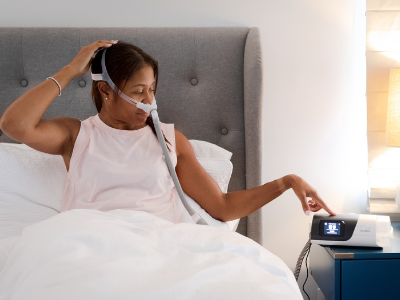
BiPAP (Bilevel Positive Airway Pressure)
BiPAP machines deliver two different pressure levels: a higher pressure when you inhale (IPAP) and a lower pressure when you exhale (EPAP). This difference makes breathing out feel easier and more natural, especially at higher pressures.
• Best for: People who have trouble exhaling against continuous pressure, those with higher prescribed pressures, or certain respiratory conditions like COPD.
• How it feels: More like natural breathing, especially for those sensitive to pressure changes.
• Key benefit: Comfort at higher pressures and additional support for complex breathing issues.
APAP (Automatic Positive Airway Pressure)
APAP machines use advanced sensors to automatically adjust pressure levels throughout the night based on your breathing patterns. If your airway is clear, the machine lowers pressure; if it senses an obstruction starting, it increases pressure just enough to keep you breathing smoothly.
• Best for: People whose pressure needs vary during the night or between sleep positions, or those who had difficulty finding a comfortable fixed pressure.
• How it feels: Dynamic and responsive, the machine “works with you” in real time.
• Key benefit: Personalized therapy without manual pressure adjustments.
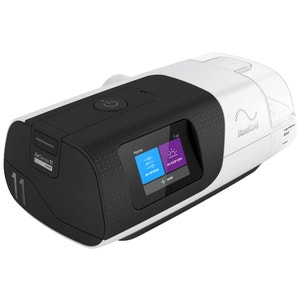
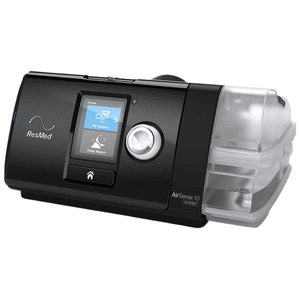
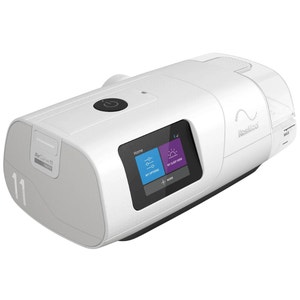
Check out a few of the top-rated machines below to start your journey

Choosing the Right CPAP Mask
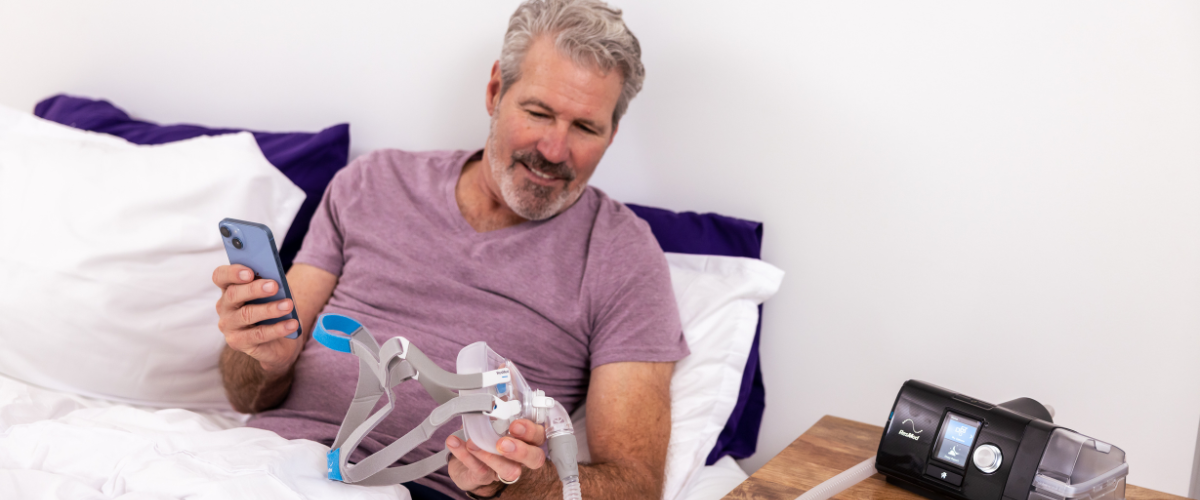
There are many masks on the market, but a good starting point is getting familiar with the types of masks. Mask choice is one of the most important factors in CPAP success. There are a number of types of CPAP masks:
• Full Face Masks: Cover both the nose and mouth, best for mouth breathers or those with frequent nasal congestion.
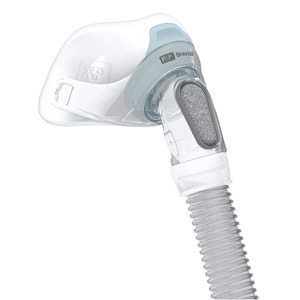
• Nasal Masks: Cover the nose and are ideal for those who breathe primarily through the nose during sleep.
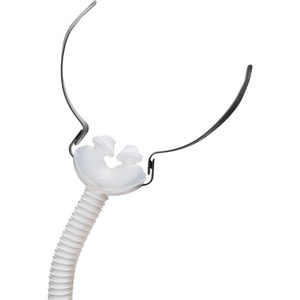
• Nasal Pillow Masks: Fit directly under the nostrils and are minimal and lightweight, perfect for side sleepers or those who feel claustrophobic in larger masks.
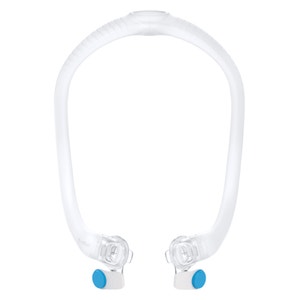
• Hybrid Masks: Cradle underneath your nose with two soft pillows like a nasal pillow CPAP mask, instead of sealing over the top of your nose. Best for back sleepers and side sleepers, mouth or nose breathers, and any pressure setting.
• Oral Masks: Use an oval-shaped cushion to deliver airflow to your mouth only and are best for mouth breathers, glasses wearers, and CPAP users who don't like a lot of headgear or have difficulty breathing through their nose.
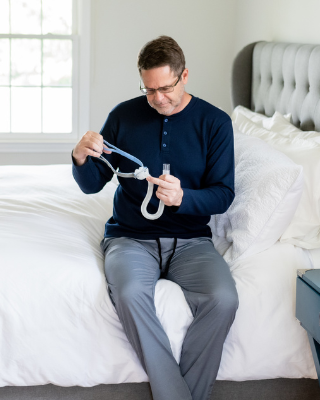
Your ideal mask selection is dependent on everything from sleeping position, type of CPAP equipment, severity of your sleep apnea, breathing patterns, and even if you face claustrophobia or have facial hair (among many other lifestyle and overall health considerations).
Mask fit and comfort are critical, especially because an ill-fitting mask can lead to air leaks, skin irritation, and discomfort that discourages regular use. You may need to try a few styles before finding your perfect match, and that’s completely normal.
Try out our Find Your Mask Questionnaire or Mask Fit Finder to find the best mask and size options for your exact needs!
Here are just a few top-rated CPAP masks from reliable brands

Adjusting to Your First Nights on CPAP
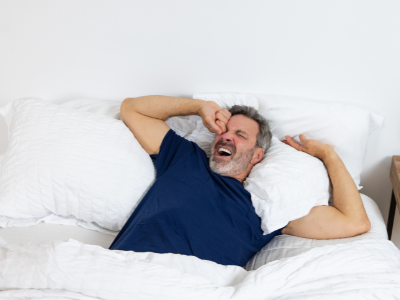
The first week is often the hardest. You might notice the sensation of airflow feels unusual, your mask may feel bulky, and you could have minor side effects like dry mouth or nasal stuffiness.
Here’s how to make the adjustment period easier:
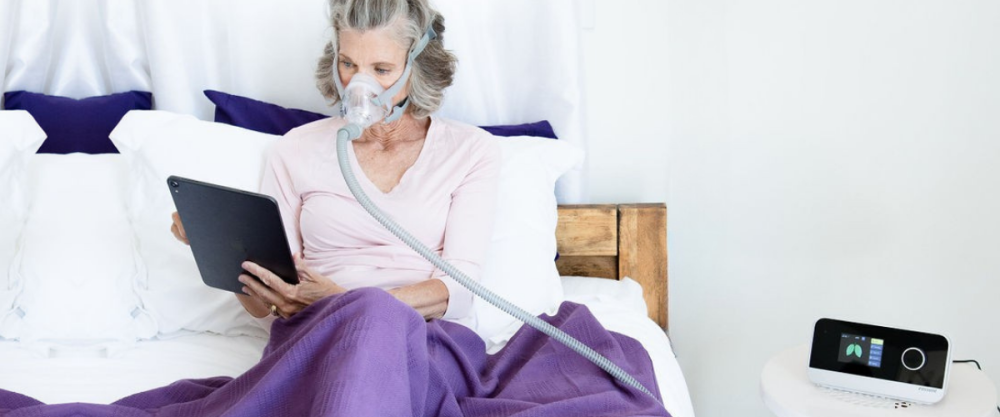
• Start with short sessions: Wear your mask while watching TV or reading before bed to get used to the feel of it.
• Check humidity settings: A heated humidifier can help prevent dryness and congestion.
• Be patient with yourself: It’s normal to take days or weeks (and, for some people, even months) to adapt fully. And that's perfectly okay!
Over time, your body and mind will adjust, and you’ll start to notice better energy levels, clearer thinking, and improved mood during the day.
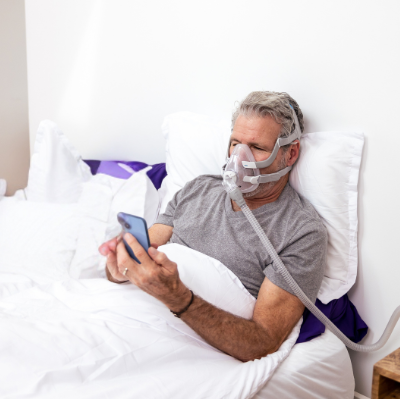
Overcoming Common CPAP Challenges
Even seasoned CPAP users occasionally encounter bumps in the road. Common challenges include:
• Mask Leaks: Refit your mask, clean the cushion regularly, and make sure your straps aren’t too loose or overly tight.
• Dry Mouth: Try a full face mask if you breathe through your mouth or increase humidifier settings.
• Nasal Congestion: Use heated tubing, nasal saline spray, or a different mask style to improve airflow comfort.
• Feeling Claustrophobic: Practice wearing the mask for a few minutes at a time with the machine turned on until the sensation becomes less noticeable.
Making CPAP Part of Your Lifestyle
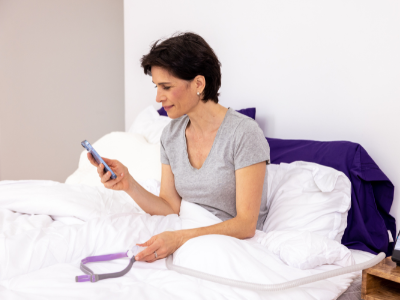
Getting great sleep and experiencing success with CPAP comes from turning it into a habit rather than an obligation. This means:
• Consistency: Use your CPAP every night, even during naps or when traveling. Skipping nights can undo progress and allow symptoms to return quickly.
• Track Your Progress: Many machines track usage hours, mask seal quality, and breathing patterns. Reviewing these reports can help you see improvement over time and spot problems early.
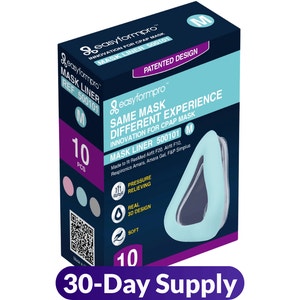
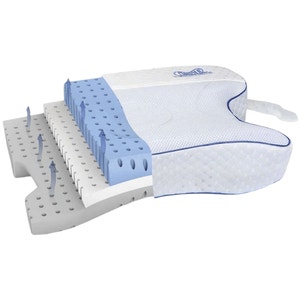
• Personal Comfort Tweaks: CPAP-friendly comfort supplies can make the experience more pleasant.
If you're facing consistent discomfort in your first few weeks, or throughout your CPAP journey, there are thankfully lots of great comfort supplies to help you receive a restful sleep! Products like mask liners, tubing holders, positional sleep aids, CPAP pillows, and more can be great for achieving comfort with CPAP.
Check out some highly-recommended comfort products below
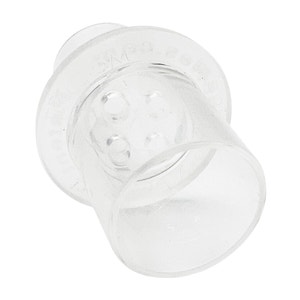
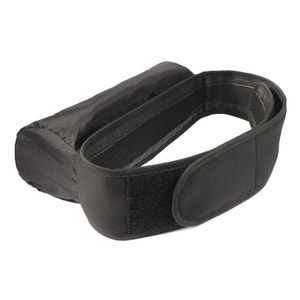
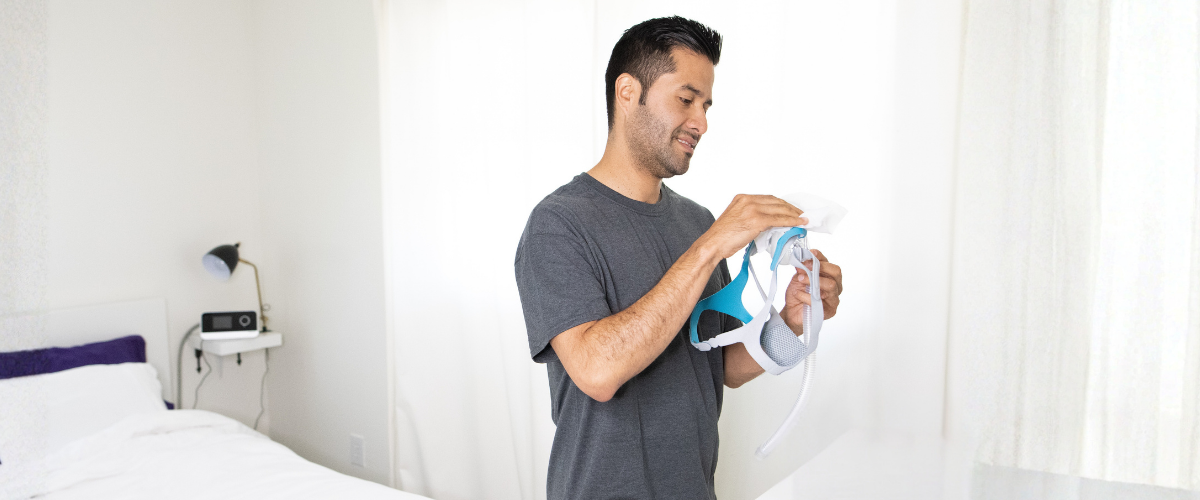
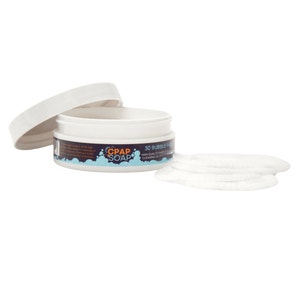
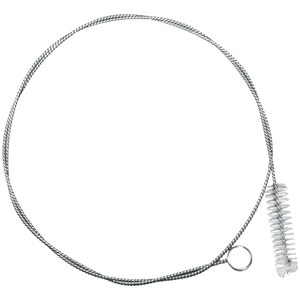
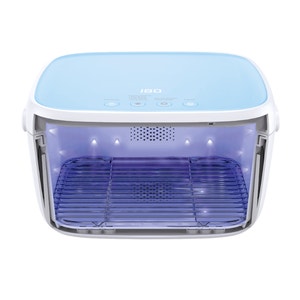
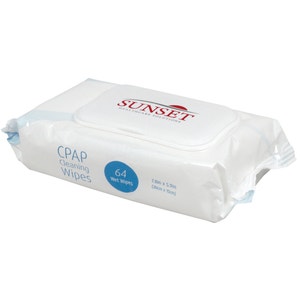
It's also vital to adhere to and maintain a solid cleaning routine of your CPAP supplies. Be sure to regularly clean your mask, tubing, and water chamber to prevent bacteria buildup and maintain fresh airflow. For an in-depth look into how to clean your CPAP parts with household supplies, check out our full cleaning blog here.
Explore some of the best cleaners & CPAP parts sanitizers below
Celebrating the Benefits
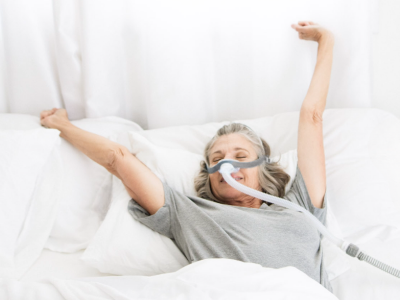
As you settle into therapy, you’ll likely notice:
• Better sleep quality: Fewer interruptions, more deep and restorative sleep.
• Increased energy: Reduced daytime sleepiness, more focus, and greater productivity.
• Improved mood: Lower irritability and greater emotional balance.
• Better long-term health: Reduced strain on the heart and lower risk of OSA-related complications.
Once you've gotten the grasp of CPAP treatment, it's important to stick to a clinician-recommended replacement schedule for your CPAP parts. You can read more in this blog about the right schedule for each of your CPAP supplies. Plus, our simple Replacement Parts Finder Feature can help you get all your supplies quickly!
What Continued CPAP Treatment Can Do for You
CPAP therapy can feel like a big change at first, but with the right mindset, equipment, and support, it becomes a natural and welcome part of life. The payoff is restored energy, better sleep health, and improved well-being, is worth every bit of effort you put into making it work.
If you're unsure where to start, we can help you through your entire CPAP journey, from getting diagnosed and your prescription to choosing the right machine, mask, and parts. Try our Guided Shopping Experience to help walk you through selecting the best CPAP setup for you!
Helpful Sleep Solutions, Resources, & Services