




CPAP Cleaners: Safety, Effectiveness, and How to Choose
Importance of CPAP Hygiene
Most sleep apnea devices add warmth and humidification to pressurized air to make CPAP therapy more comfortable and prevent dry mouth and other side effects. While beneficial to your overall therapy, humidification can also create the perfect conditions for germs, bacteria, and mold to breed and spread. Routinely cleaning your CPAP equipment prevents buildup which helps prevent sinus infection and respiratory illnesses. This is why breathing in the air that travels through your CPAP system makes cleaning your CPAP supplies regularly a crucial element of your therapy.
What is a CPAP Cleaning Machine?
Understanding the role of cleaning versus sanitizing your CPAP products is critical in identifying which product is right for your needs. Think of "cleaning" as washing, and removing physical buildup and residue, while "sanitizing" is the process of sterilizing your equipment after a wash -- this is the function of a CPAP Cleaner, Cleaning Machine, or Sanitizer. One process is not meant to replace the other.
How Do CPAP Cleaner Machines Work?
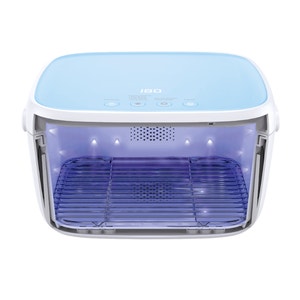
CPAP cleaning machines are designed to simplify (and in some cases automate) the routine task of sanitizing your CPAP mask, CPAP tubing, and other CPAP equipment. A commonly used method for sanitization is UV Light Sanitizers, which use Ultraviolet-C (UVC) light to kill bacteria and germs after your equipment has been washed.
Life is busy enough without having to add another cleaning routine to your schedule. CPAP equipment sanitizing systems allow you to place your equipment inside the sanitizing chamber, press a few buttons, and allow the device to sanitize your CPAP parts (in some cases after only a few minutes) while your hands are free to do whatever else you need to do.
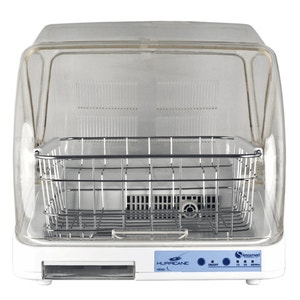
Another helpful tool to assist with your CPAP cleaning routine is a CPAP Equipment Dryer, such as the Hurricane Dryer, which helps to eliminate residual moisture in your CPAP equipment by using static, warm air to circulate throughout your supplies.
How to Clean & Sanitize CPAP Equipment
What is the Ideal Manual CPAP Cleaning Routine?
Using a combination of mild, unscented, bleach-free, ammonia-free, liquid detergent or soap with warm, drinking-quality (or distilled) water is the most ideal, safe way to get rid of unwanted debris, oils, bacteria buildup, and other contaminants without causing skin irritation or damaging your equipment.
Note: Avoid scented soaps and anything products containing ammonia or bleach. These types of products can damage your equipment or leave behind irritating residue.
Hand-Washing Your CPAP Supplies:
-
Disassemble all removable/washable parts of your CPAP system including your CPAP mask (mask frame, cushion, headgear, and other individual pieces) and CPAP machine components (tubing, water chamber, and washable filters).
-
Thoroughly clean and sanitize the area you plan to use to wash your supplies.
-
Fill your container or sink with at least 5 inches of warm water. The temperature you use to wash your hands is ideal.
-
Add a small amount of mild, unscented, ammonia and bleach-free soap or detergent. Typically use requires approximately 3–5 drops per few gallons of water, but check the label of your preferred product for specific instructions.
-
Mix the water and cleaner together until the water is thoroughly soapy.
-
Submerge your supplies fully, ensuring the inside of the water chamber fills up.
-
Let your supplies soak (mask parts for 5–10 minutes, tubing for 15-20 minutes, water chambers for 15-30 minutes).
-
Thoroughly rinse each part individually with clean water to remove all excess soap or residue.
-
Lay your parts on a clean towel or drying mat, out of direct sunlight, to allow them to air dry completely.
-
Once your supplies are completely dry, reassemble your mask and machine system in preparation of your next night's sleep.
Sanitizing Your CPAP Supplies By Hand (With Distilled White Vinegar):
-
Repeat Steps 1-2 as above.
-
Fill your freshly cleaned sink or container with an equal mixture of 1 part distilled white vinegar to 1 part warm water.
-
Repeat Steps 5-6 as above.
-
Let your parts soak for 20–30 minutes in the vinegar/water mixture.
-
Repeat Steps 8-10 as above.
Bonus: If you can, use distilled water for the vinegar mixture to avoid mineral buildup.
-
Importance of Cleaning Your CPAP Equipment
-
Reduced Risk of Infections - Proper, routine CPAP cleaning means you're minimizing your risk against breathing in harsh debris, pollen, animal dander, dead skin, bacteria, germs, mold, and other unwanted, harmful contaminants that can cause side effects such as skin irritation, discomfort, allergies, sinus infections, and even serious respiratory issues.
-
Improved Sleep Quality - CPAP cleaning and sanitizing is essential to ensuring a consistent, effective mask seal and promoting uninterrupted pressure during OSA therapy.
-
Equipment Longevity - Maintaining the cleanliness of your CPAP parts is also vital to maintaining their longevity as oils, dust, and residue buildup can cause your supplies to break down more quickly and add unnecessary wear to your CPAP machine’s motor.
-
Types of CPAP Cleaning Products
Types of CPAP Cleaners
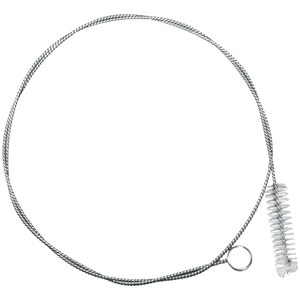
We carry a wide assortment of CPAP cleaning products such as CPAP soaps, detergents, sprays, wipes, as well as many cleaning & convenience tools like CPAP brushes, dryers, hangers, dust covers, and drying mats.
You'll also find CPAP Cleaning Kits with various cleaners and accessories that make it easier to achieve and maintain your best CPAP hygiene.
Do CPAP Soaps, Mask Wipes, or Sprays Work?
CPAP Soaps & Detergents - We offer reliable soaps and detergents that are designed specifically for CPAP systems, and utilize mild, often natural chemicals, to promote regular and proper CPAP cleaning and health.
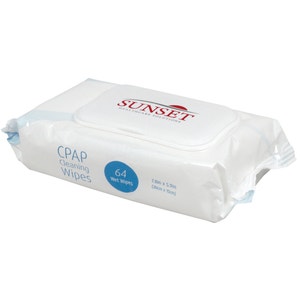
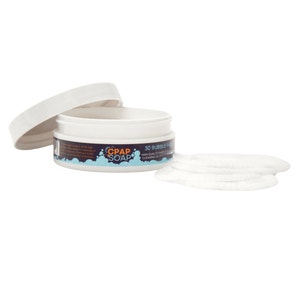
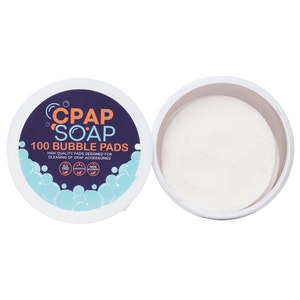
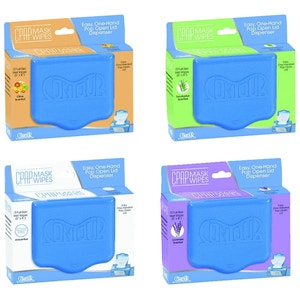
CPAP Mask Wipes - CPAP mask wipes are an easy-to-use, on-the-go solution for effectively removing dirt, grease, oils, and other residues from your mask and machine equipment without using harmful chemicals, so you can enjoy all the benefits of a fresh, clean mask wherever you go.
Ozone CPAP Cleaner
UV CPAP Sanitizers
Portable CPAP Cleaners
Best Practices for CPAP Maintenance
Frequency of Cleaning
Daily Cleaning Routine
Weekly Cleaning Routine
Monthly Cleaning Checklist
Replacement
FAQs
What CPAP Cleaner Does ResMed Recommend?
Where Are the Germ Hotspots in CPAP Equipment?