

Best CPAP Masks for Beards
- Dec 22, 2025
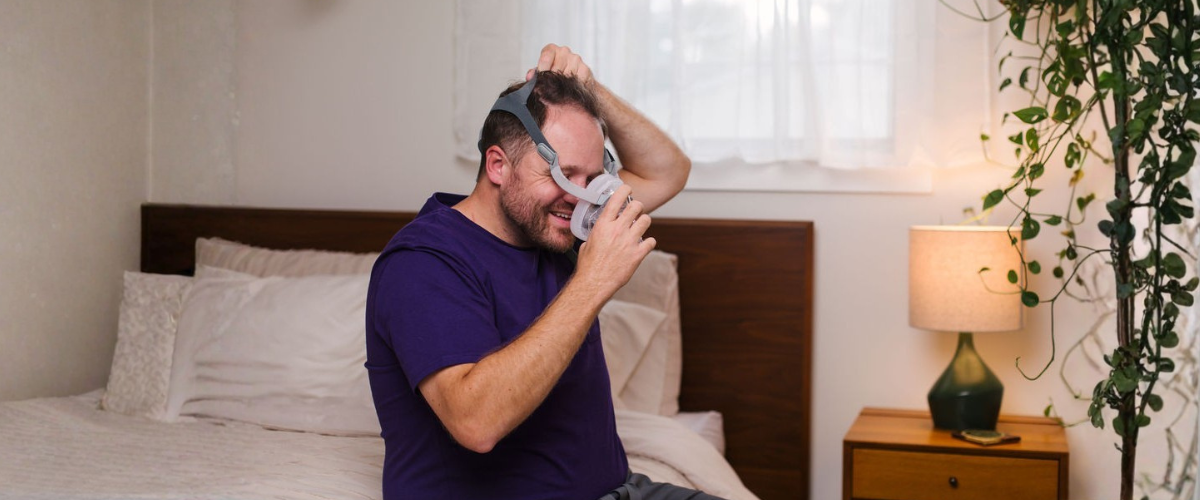
Bearded CPAP Users: How to Get Better Sleep (Without Shaving)
For CPAP users with facial hair, finding a CPAP mask that seals properly while providing a comfortable fit, working with your sleep style, or overall ensuring you’re getting the best OSA (obstructive sleep apnea) treatment can be a challenge. After all, beards and facial hair can completely change how a mask fits and, sometimes, even how it functions. Facial hair, coupled with other vital decision-making points in selecting the best mask for you, can present a new element of consideration when creating your CPAP equipment setup. And that’s where we come in! With this blog, we’ll give you practical tips on finding the mask type for you, helpful information on when it might be time to try a different mask, plus product and brand recommendations that will help you achieve a great night’s rest without needing to shave.
Choosing the Right CPAP Mask for Your Facial Hair
Finding the right mask for your individual needs begins with finding the right mask style.
CPAP masks are made in all different sizes, designs, and materials. In addition to keeping all of your comfort and medical needs in mind, the mask you select will also need to accommodate your facial hair.
Along with taking facial hair into account, it’s important to consider your sleep style and typical sleep position, as well as your prescribed air pressure, if you’re a mouth breather, an active sleeper, and even if you have sensitive skin beneath your facial hair.
Check out some of the best options available to meet your needs below!
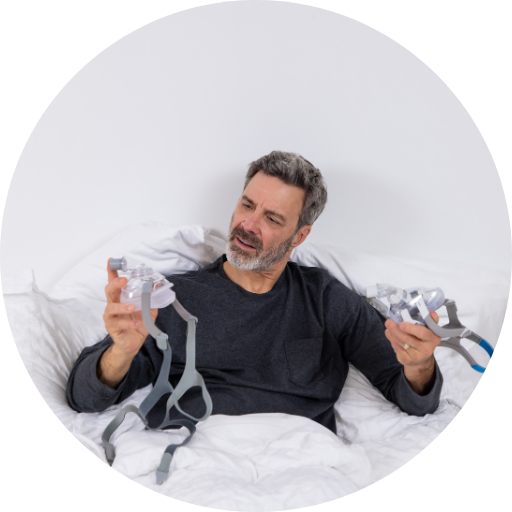
Nasal CPAP Masks
Traditional over-the-nose nasal CPAP masks such as the Resmed AirTouch™ N20 Nasal Mask and the Fisher & Paykel Eson™ 2 Nasal Mask are designed to fit over the nose and seal against the cheeks and the top lip.
This type of mask is best suited for someone whose facial hair is on the jaw line only and will not work as well for users who have a mustache or facial hair around the nose.

Under-the-Nose Nasal Masks
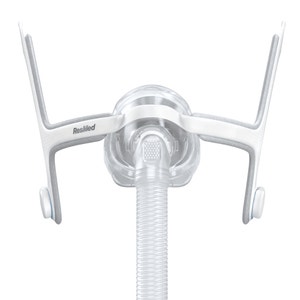
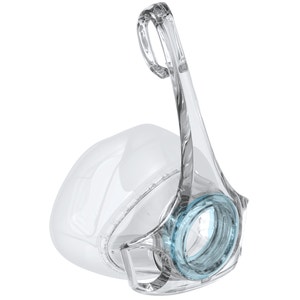
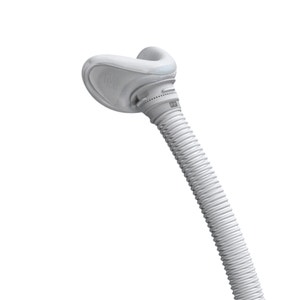
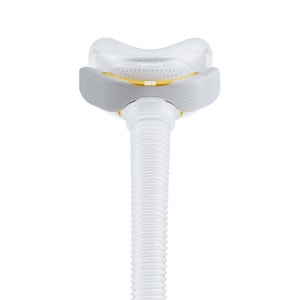
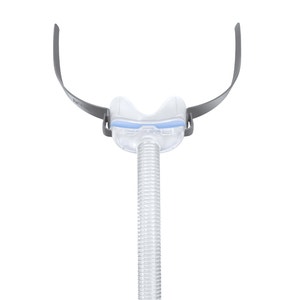
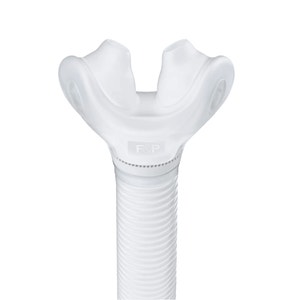
Minimal contact nasal CPAP masks such as the Fisher & Paykel Solo™ Nasal Mask and the Resmed AirFit™ N30 Nasal Cradle Mask fit under the nose instead of over the nose.
For many CPAP users with facial hair, this type of mask is the best option because the mask cushion is positioned right under and against the nostrils.
An under-the-nose nasal CPAP mask has a much smaller chance of leaking due to the average person’s lack of hair in and around the nostrils.
Nasal Pillow CPAP Masks
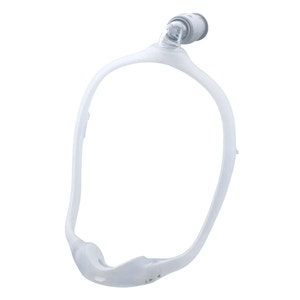
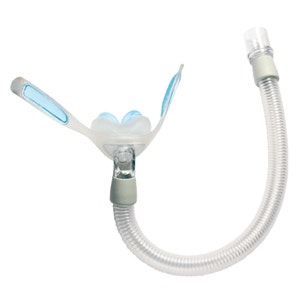
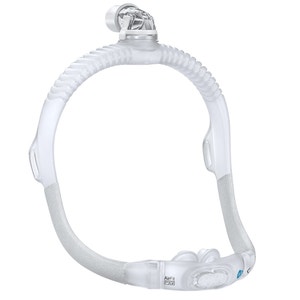
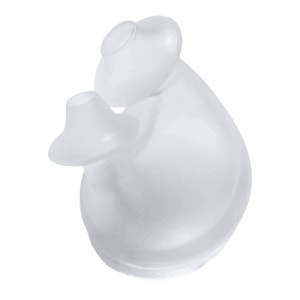
Nasal pillow CPAP masks such as the Fisher & Paykel Nova Micro™ and the Resmed AirFit™ P10 tend to have the best chance of sealing during treatment with minimal to no adjustments to the mask’s headgear.
The pillows or “prongs” of a nasal pillow mask fit inside of the nose or at the nares (nostril openings) of the nose and do not rely on a seal with the upper lip, the chin, or the cheeks.
So, the thickness, location, or length of a user’s facial hair has practically no effect on a nasal pillow mask’s seal.
Full Face CPAP Masks
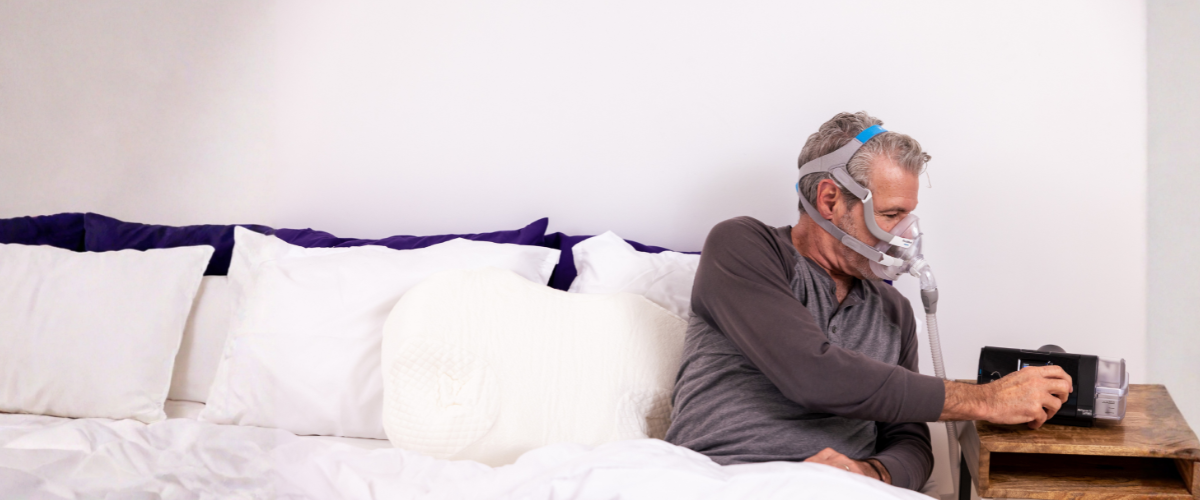
For most sleep apnea patients with facial hair, successful CPAP treatment with a full face mask can be challenging due to the placement of this type of mask’s cushion.
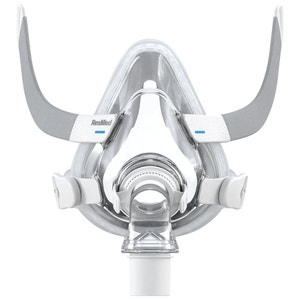
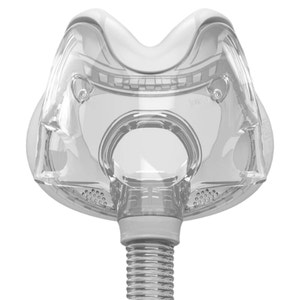
However, some mask options have helpful design features such as the memory foam cushion of the Resmed AirTouch™ F20, which helps to close gaps caused by facial hair, or the minimal-contact cushion on the Fisher & Paykel Evora™ Full Face Mask that fits more closely to the contour of the mouth and nose instead of the chin or cheeks.
So, while traditional full face masks (masks with a triangular, silicone cushion) do not tend to work well for CPAP users with beards, mask models that include memory foam cushions or cushions that fit under the nose and over the mouth are especially beneficial for CPAP users who have mustaches, beards, or goatees.

Specialty Masks
Each year, the number of people diagnosed with OSA (obstructive sleep apnea) grows at an incredible rate and, with that exponential growth, comes an increase in specialty masks.
Specialty masks typically accommodate one or more special circumstances and can be a great option for CPAP, APAP and BiPAP machine users with facial hair.
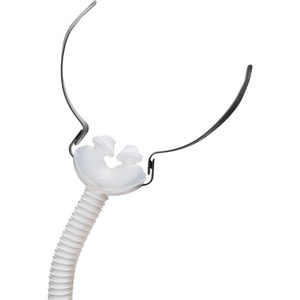
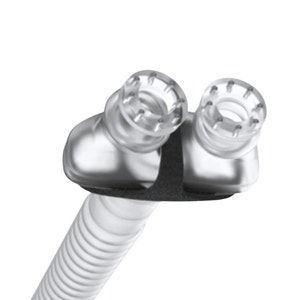
For instance, the Bleep Eclipse is the first mask to be used without any headgear (straps) and seals around the nostrils without the use of silicone. With such little contact with the face, the Bleep is a great choice for users with beards, goatees, or mustaches.
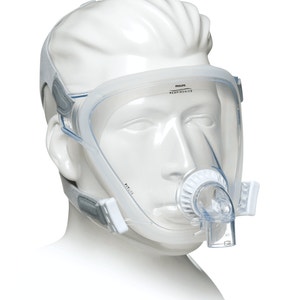
The Philips Respironics FitLife Total Face CPAP Mask is another helpful model for bearded CPAP users, as it seals around the edge of the face and hairline instead of attempting to seal around the nose, cheeks, or mouth. This wouldn’t be the best option for those with long beards but shorter beards, goatees, and mustaches would likely be untouched by the FitLife mask.
How Can Beards & Facial Hair Cause Trouble for CPAP Users?
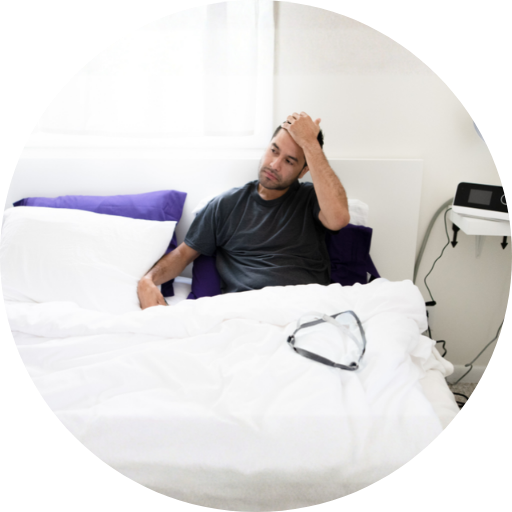
Neck and facial hair (beards, mustaches, goatees, etc,) cause issues for CPAP machine users primarily because they prevent the mask’s cushion from creating an air-tight seal, which is essential for CPAP therapy. Even minor facial hair can have this effect.
CPAP masks are designed to seal tightly against the skin to ensure you’re getting the appropriate airflow; facial hair creates tiny gaps that allow pressurized air to escape.
Even small leaks can cause trouble like:
• Reduced therapy efficacy: When air leaks occur, CPAP users do not receive the full amount of pressurized air prescribed by their healthcare provider.
• Louder treatment: Air leaks also cause an increase in noise level which can affect the quality of your sleep, as well as the sleep of a co-sleeper.
• Dry eyes: Air that has leaked from the mask can blow into the eyes and cause dryness.
• Dry mouth: When air escapes following a mask leak, it affects the airway and forces the user to breathe through their mouth which can cause dry mouth.
General Tips for Successful CPAP Therapy With a Beard
All new CPAP users encounter a speed bump or two when beginning CPAP therapy but users with facial hair have an extra hurdle to jump when trying to get in the swing of their new nighttime routine. Here are a couple of tips and tricks to give you the best chance at successful treatment as a bearded CPAP user.
Choose the right mask
While there aren’t any mask types made specifically for bearded CPAP users, certain types of masks work better with facial hair than others. Choose wisely!
Keep it clean
Oils and buildup in your facial hair can cause excessive movement of your CPAP mask cushion which allows leaks to occur.
Grooming is key
Ensuring that your facial hair is well-groomed, free of mattes, and even in length will allow the CPAP mask to sit more evenly on the face and lessen the chances of leaks.
A quick trim wouldn’t hurt
Trimming your facial hair around the nostrils can help you find a better seal with nasal masks and cleaning up your beard line on your cheeks and under your bottom lip can be a big help when using a full face CPAP mask.
The Effects of CPAP Therapy on Your Beard
Just as your CPAP treatment can be affected by your beard, your facial hair can also be affected by your treatment. Luckily, most of the effects are not only temporarily but in most cases, preventable.
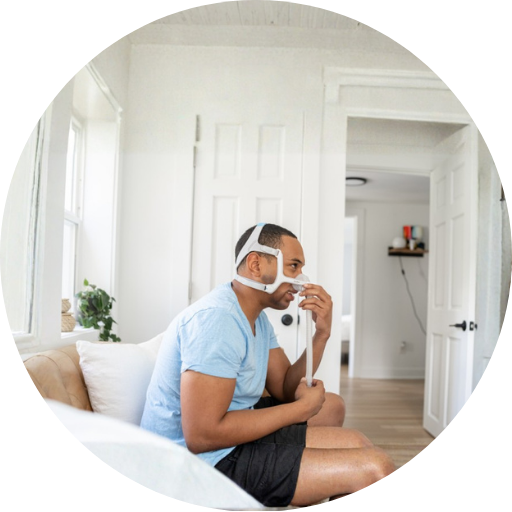
• Flattening or mis-shaping: The headgear and the cushion of a CPAP mask will need to be tight enough to form a seal for pressurized air to be contained, so many users with facial hair report flattening of their beard or perhaps small indentations in their facial hair that are typically gone with time or the next wash.
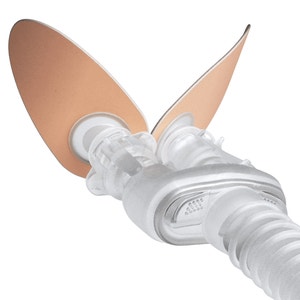
• Hair breakage: Some users experience facial hair breakage due to the repeated friction from the silicone cushion and headgear straps rubbing against their beards. This is a problem that can easily be solved by wearing a CPAP mask liner and/or having the right size mask, as frequent tightening of the headgear to achieve a seal can also lead to breakage.
• Skin irritation: Exhaled air, as well as the humidified treatment air from the CPAP or BiPAP machine can cause condensation in the CPAP mask cushion which leads to skin irritation and in some cases, mild breakouts. Luckily, this can easily be fixed by adjusting your machine’s humidification level in the settings menu or simply adding an exfoliation step to your wash routine.
Here’s What You Don’t Have to Worry About...
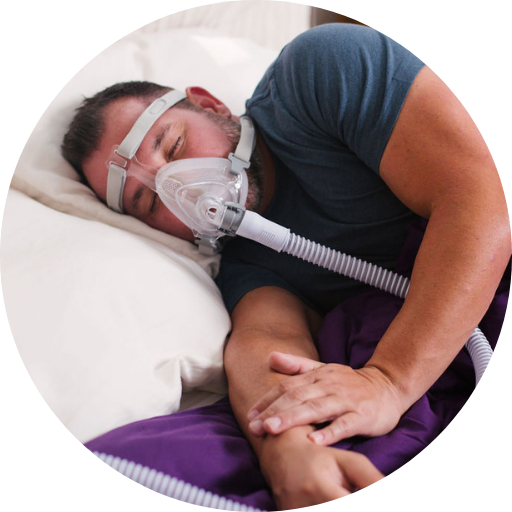
Use of your CPAP machine and wearing your CPAP mask each night won’t cause any significant or long-term damage to your facial hair. As long as you do not have any other underlying health issues that affect your hair or skin, wearing your CPAP mask will not stop your facial hair from growing, cause significant beard hair loss/thinning, or damage the hair follicles
What This Means for Your Sleep Apnea Treatment
The first step to success with a CPAP machine is finding the right mask for your individual needs and that much is the same for all CPAP users, not just those with facial hair.
Basic maintenance of your beard, goatee, or mustache will give you the best chance of a successful seal once you find the right mask.
And remember, CPAPsupplies.com’s Customer Service Team is one of the highest rated in the industry and for good reason! We’re here to answer your questions, provide you with recommendations, and be an overall resource for everything CPAP.
Find Your Perfect Mask with our Helpful Features!