



CPAP Battery Backups & Power Supply Options
- Nov 26, 2025
Plug In and Rest Easy: Power Your CPAP Machine Anywhere, Anytime
With an estimated 6 million Americans currently using CPAP devices and CPAP therapy to treat their mild to severe sleep apnea and experience better sleep no matter where they go, the CPAP industry is now booming with new and innovative power solutions that have made sleep apnea treatment more accessible and much less daunting. Among the most ground-breaking items now available are power and portability options that allow CPAP users to keep their freedom and mobility.
Before You Buy, Know What’s Available
Standard AC Power
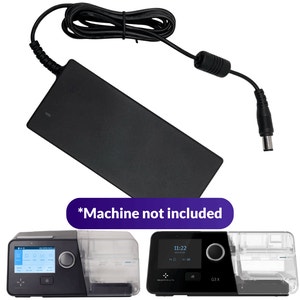
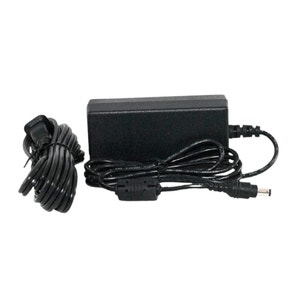
This is the power supply that came with your standard CPAP or BiPAP machine initially. An AC Power Supply will run from your machine directly into a wall outlet. The AC Power supply features the “cord” that runs from your outlet to the CPAP’s power adapter power station which includes a secondary cord that runs from the adapter (brick) to your machine. Every machine type has its own specific AC Power Supply.
DC Power Cables
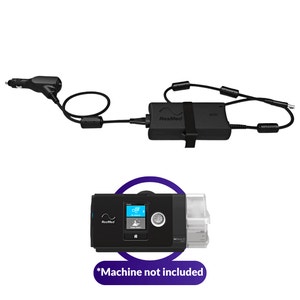
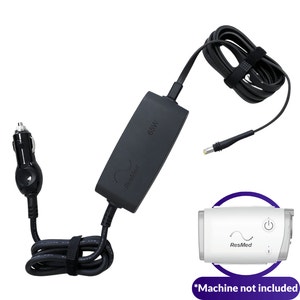
CPAP DC power cords will allow you to power your CPAP machine by plugging it into a moving power source such as a boat or a car. When using a DC cable, it’s a good idea to also use a DC power converter to ensure that your machine is receiving an accurate and constant voltage because while it isn’t required, it can prolong the life of your machine and prevent damage.
Portable CPAP Battery Backups
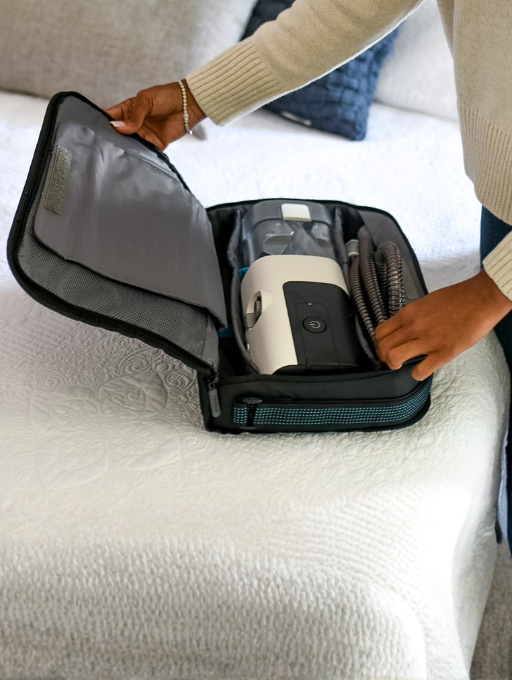
A portable CPAP backup battery is a great option to have as a backup power supply. There are numerous options available in a few different styles, depending on your machine, your budget and your needs. Most portable power options are available in a variety of designs.
Integrated or Machine-Specific Batteries
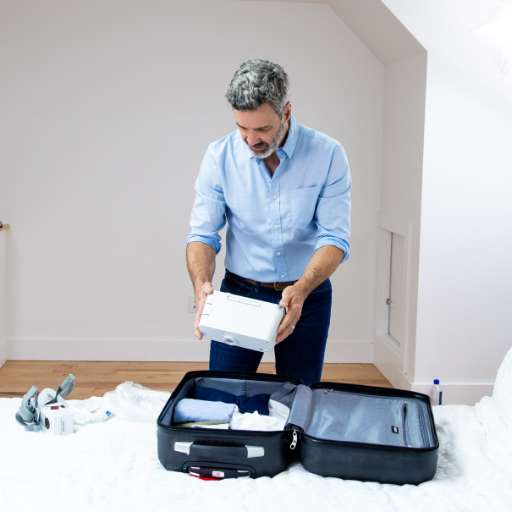
These are CPAP battery options that are designed for one specific type of CPAP machine and will typically feature a connection that can only be used by that particular device such as a docking station or a casing with particular dimensions and measurements. Travel CPAP batteries might not have the longest run times but they’re rechargeable and tend to be pretty small in size, making them and their chargers easy to throw in your suitcase or travel bag.
Lithium Ion Batteries
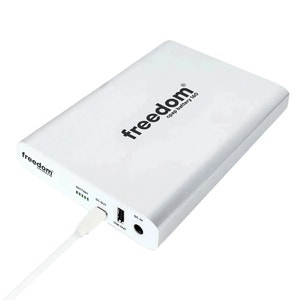
Lithium ion CPAP batteries are the most common and popular type of portable power for CPAP users due to the fact that they’re lightweight, rechargeable and typically airline approved. These batteries are smaller in size than most other CPAP battery power options and will be somewhere between the size of a large smartphone and a DVD case and will typically feature AC and USB connections which are compatible with most CPAP and travel CPAP types without too much worry about CPAP cable compatibility.
Important note: Most manufacturers of portable CPAP batteries will either feature a device compatibility chart/list on their website or can provide one upon request. Be sure to confirm that the battery or power option you’re interested in can be used with your machine prior to purchase.
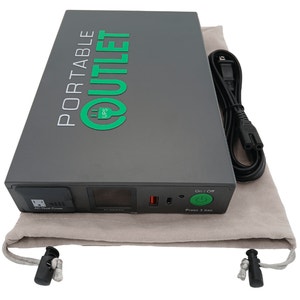
Universal Battery Packs/Portable Outlets
This type of power option is the only power option that includes a 3-prong outlet, so use of an adapter/converter isn’t typically required. Most universal batteries will feature multiple connections/ports which makes it a great buy for traveling CPAP users who want to pack as little as possible, as well as customers who don’t want to worry about purchasing converters and adapters.
UPS (Uninterruptible Power Supply) Batteries
UPS batteries are a favorite among CPAP users who live in areas that are known to experience tornados, hurricanes, and even snowstorms that cause frequent power outages, as well as those who are located too far off-grid for reliable residential electricity. The UPS battery is placed between the CPAP machine and the wall which means that the battery plugs into the outlet and the machine plugs into the battery. When the power flickers or goes out entirely, the battery immediately picks up and continues to run the machine for as long as the battery’s charge allows.
Solar Power
Solar power is one of the newer existing technologies to be integrated into the world of medical equipment. This is a great option for those who plan to be without power for more than 1-2 days at a time, as it’s much cheaper and much more lightweight than trying to carry multiple battery packs. And while they’re not a great option for direct use, solar panels are a reliable, eco-friendly way to charge your portable battery supply.
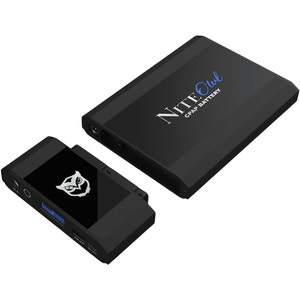
Note: In order for a solar panel to efficiently charge portable CPAP batteries such as Medistrom, NiteOwl, and Freedom 160, a solar panel with 12-28 volts of output power and between 40-100 watts is required.

Check out a few of the top-rated backup batteries we carry
Next: Know What You Need
Selecting a power option for your standard CPAP machine, BiPAP machine, or travel CPAP machine can be challenging. With so much information available for each and every power product available, it may be hard to know which details and specifications apply to you and your machine’s unique requirements. So, before you place an order, here are a few key points that we suggest keeping in mind:
Your Plug/Connection Type
Unfortunately, choosing a replacement power supply for your CPAP/APAP or Bi-PAP machine isn’t quite as simple as choosing one that has the correct shape plug. If it’s time to replace your machine’s cord, don’t hesitate to reach out to your device’s manufacturer or the customer service team of the vendor you’re working with for assistance with finding the compatible power option. Even a wrong, incompatible power supply (cord) can look like the right one due to all batteries having similar designs but using a supply with the wrong wattage/voltage can damage your device.
Your CPAP Machine’s Features
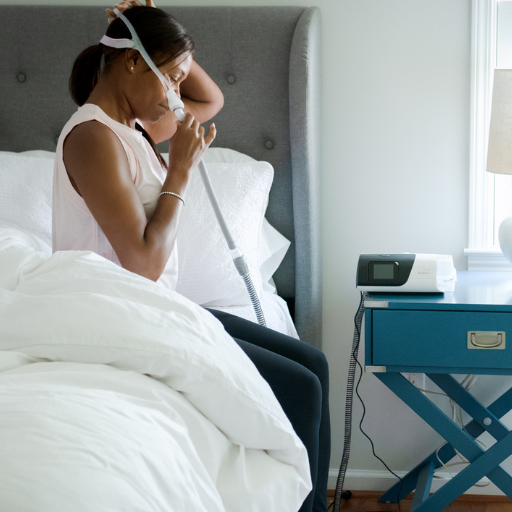
Just as your electric bill will be higher when you’ve needed to run your air conditioner, your heater or even your washing machine more often, your CPAP machine’s power consumption will always be higher when its multiple features are in play. Heated tubing and heated humidification can cause a portable CPAP battery to drain faster than it would if those features were temporarily cut off.
Your Usage Needs & Power Source
When purchasing a portable CPAP battery backup for travel, be sure you know:
• Is this battery FAA compliant for air travel?
• How much does this battery weigh?
• What are this battery’s dimensions?
• How long can this battery power my CPAP machine?
• Can this battery be used with universal outlet adapters?
• Does this battery include a manufacturer’s warranty?
Perhaps just as important as knowing how long your battery can power your CPAP machine is knowing if it’s of the right weight and size to fit into your luggage, given strict and oftentimes expensive airline luggage guidelines. And probably most important, is to know if your battery is capable of powering your machine for the duration of your trip, so that you’re not stuck without your machine.
Get the right power supply for your CPAP machine

Frequently Asked Questions
Q: How do I know if a travel battery will work with my CPAP machine?
A: You need to match the CPAP’s required voltage and wattage with the battery’s output. If your machine needs 24V at 3A (≈72W), the battery must be capable of delivering that continuously. Also, check the connector type and whether you’ll need a DC-DC converter. Most battery manufacturers will include a compatibility and specification list on their website or can provide you with this information upon request.
Q: What does watt-hours (Wh) mean and why does it matter?
A: Watt-hours measure how much energy a battery can store. The higher the Wh, the longer your CPAP can run. For example, a 150Wh and a 300Wh battery can both power a standard CPAP machine. However, a 150Wh battery will most likely power a CPAP machine with average pressure settings and no heat/humidification for nearly twice as long as it could power a BiPAP machine, a CPAP machine with high pressure settings or a machine with heat and humidity features turned on.
Q: Can I bring a CPAP machine battery or backup power supply on a plane?
A: Yes, but lithium batteries are regulated. Most airlines allow up to 100Wh with no restrictions, and up to 160Wh with approval. Larger batteries may be prohibited. Batteries must be carried on, not checked.
Q: How long will a travel battery last?
A: Runtime depends on your machine’s pressure setting, whether you use a humidifier or heated tubing, and the battery’s capacity. Expect significantly reduced runtime with humidification turned on and/or heated tubing connected.
What This Means for Your Sleep Apnea Treatment
Sleep apnea therapy doesn’t have to pause just because you’re on the go! For both peace of mind and continued effective CPAP machine function, there are great options available. From camping trips to family visits, there are no limits on where you can take your sleep apnea treatment!
Ready for a new machine? Check out our best-sellers!
-

-
Resvent iBreeze Auto CPAP Machine with Heated HumidifierSpecial Price $340.00 Regular Price $570.00