



Why Pressure Settings Are Required for APAP Machines
- Nov 17, 2025
Why CPAP Pressure Settings Are Required…Even for Auto-CPAP Machines
If you’re shopping for a machine to treat your central (CSA) or mild to severe obstructive sleep apnea (OSA), you may have noticed that your order can’t be completed without a prescription that includes pressure settings. Many customers wonder why this information is needed in order to purchase a machine, especially an “Auto” CPAP. So, why can’t an Auto-CPAP machine be purchased without your doctor writing in specific pressure settings on your prescription?
Let's clear up the confusion!
What Are Pressure Settings?
For CPAP machines (Continuous Positive Airway Pressure), pressure settings indicate the amount of air pressure that is needed to ensure that your airways remain open while you sleep. These settings are written into your prescription once a sleep specialist has been able to establish a diagnosis following their evaluation of an in-lab sleep study or home sleep test results. Each type of CPAP device uses its own specialized algorithm to effectively treat your obstructive or central sleep apnea.
In addition to adaptive algorithms, each type of CPAP and BiPAP machine has its own type of pressure settings:
• CPAP (Fixed Pressure): One constant, fixed pressure.
• APAP (Auto-Adjusting Pressure): A range of two pressure settings; minimum and maximum.
• Auto-BiPAP (Auto-titrating dual pressures): One inhalatory (IPAP) range of auto-adjusting pressures and one exhalatory (EPAP) range of auto-adjusting pressures.
Why Auto-CPAP Machines Still Need Pressure Settings
While the term "Auto CPAP" may sound as if Auto CPAP machines are completely automatic, each Auto CPAP and Auto BiPAP machine has to be told what minimum and maximum pressures to titrate between. Here’s why: The pressure range defines how low and high the machine is able to adjust during sleep. It helps identify to your doctor if you need higher pressure or even what type of CPAP mask you should use.
The most important reason that pressure settings are still required for auto-adjusting machines is user safety. CPAP machines of any kind are classified as Class II medical devices per the FDA, which means that there's medium to high risk if used improperly.
Therefore, prescriptions that include a range of numeric settings ensure that your sleep apnea treatment can be carefully managed by helping your healthcare provider to know when to make adjustments like pressure changes or recommending a different type of mask.
Apart from legal and safety reasons, pressure limitations ensure your CPAP therapy is safe, comfortable, and effective, helping avoid negative side effects that can come with pressure that is too high or too low.These side effects can range from dry mouth, ineffective treatment, mask leaks, or treatment intolerance.
Your doctor or sleep specialist will look at several factors to decide which pressure range is best for your individual case of sleep apnea. AHI (Apnea-Hypopnea Index), body position during REM (Rapid Eye Movement) Sleep, and snoring intensity are all considered by your healthcare provider when determining what pressure levels to prescribe.
(Think of this type of machine like cruise control in a car, you still need to tell it how fast it’s allowed to go!)
What Are the CPAP Pressure Needs?
For your safety, your device is programmed according to provider-prescribed settings before it’s sent to you in compliance with laws that protect medical equipment users.
Even if you’re a long-term CPAP user and have a good idea of what your settings are, they’ll still need to be listed on your prescription, so that we can:
1) Set up your device correctly
2) Ensure your CPAP therapy starts off right
3) Avoid delays or errors with your order

Need Help Finding Your Pressure Settings?
If your CPAP or BiPAP machine prescription is missing pressure settings, you can:
1) Check your most recent prescription
2) Contact your doctor’s office, specialist, or sleep center
3) View the documents in your online patient portal, if your doctor’s office offers that type of service
If you already have a copy of your prescription and you’d like to know what your pressure settings are before placing an order, simply fax it to us at (877) 881-1291 or email it to our secure email at info@CPAPsupplies.com and our Customer Service will be happy to help you identify them.
Once you have a complete, valid prescription that includes your numeric pressure settings, you’ll be one step closer to a new machine and restful, effective sleep.
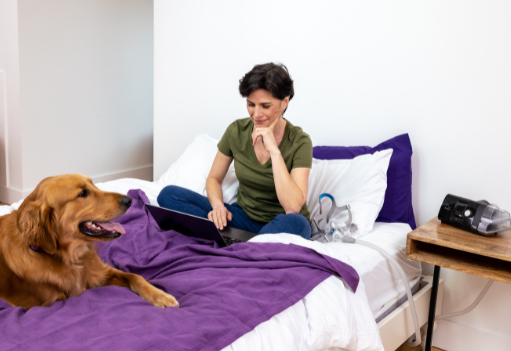
Check out a few of the top-rated machines below to start your journey

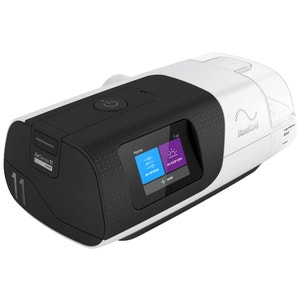
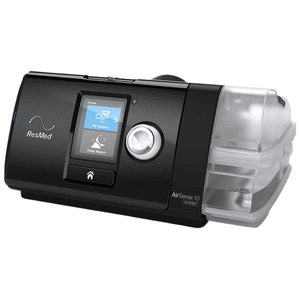
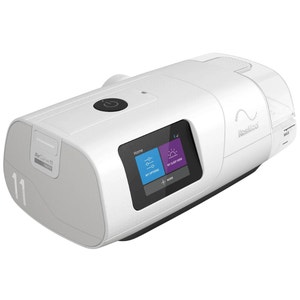
What This Means for Your Sleep Apnea Treatment
Even with an auto-adjusting CPAP machine, pressure settings are still required to guide the device within a safe and effective range.
Providing these ensures your CPAP therapy works the way it’s intended where it’s customized to you. It can be the determining factor of your overall health and the success of your sleep apnea treatment.
If you have questions when placing your CPAP, APAP, or BiPAP machine order, our Customer Service team is happy to help you understand what’s needed to safely and smoothly complete your order.
Email us at info@cpapsupplies.com for assistance on finding the perfect products for your most restful sleep!
Helpful Sleep Solutions, Resources, & Services