

Best CPAP Masks for High Pressure Settings
- Jan 7, 2026
Finding The Best CPAP Mask For High Pressure Settings
For many users, choosing the best CPAP mask for their needs is one of the more challenging parts of treating their Sleep Apnea. But CPAP therapy for those with Central Sleep Apnea (CSA) and those with more severe cases of Obstructive Sleep Apnea (OSA), will typically include higher pressure settings. Higher air pressure creates more opportunities for mask leaks and makes it more difficult to achieve a secure seal.
Your High CPAP Pressure Setting Can Make Selecting a Mask More Challenging
Unlike oxygen therapy, CPAP therapy relies heavily on delivering doctor-prescribed levels of pressurized air through a CPAP mask. Users with low to average levels of CPAP pressure can typically choose any type of mask for their treatment.
However, for those who require higher pressure settings, additional time and consideration should be taken when deciding on a mask.
Generally, all CPAP masks are compatible with all standard CPAP, APAP and BiPAP machines but some masks are better suited for higher pressure than others.
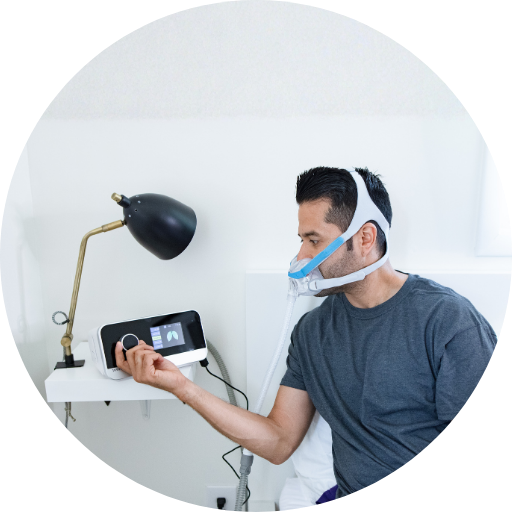
Full Face CPAP Masks
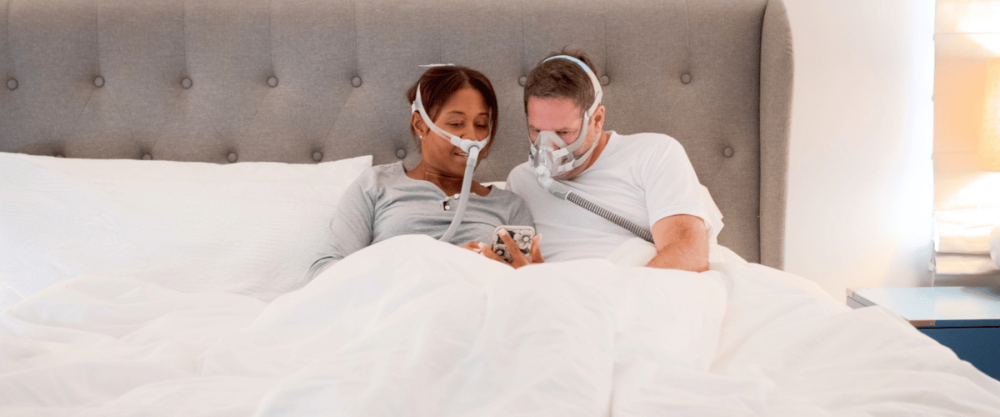
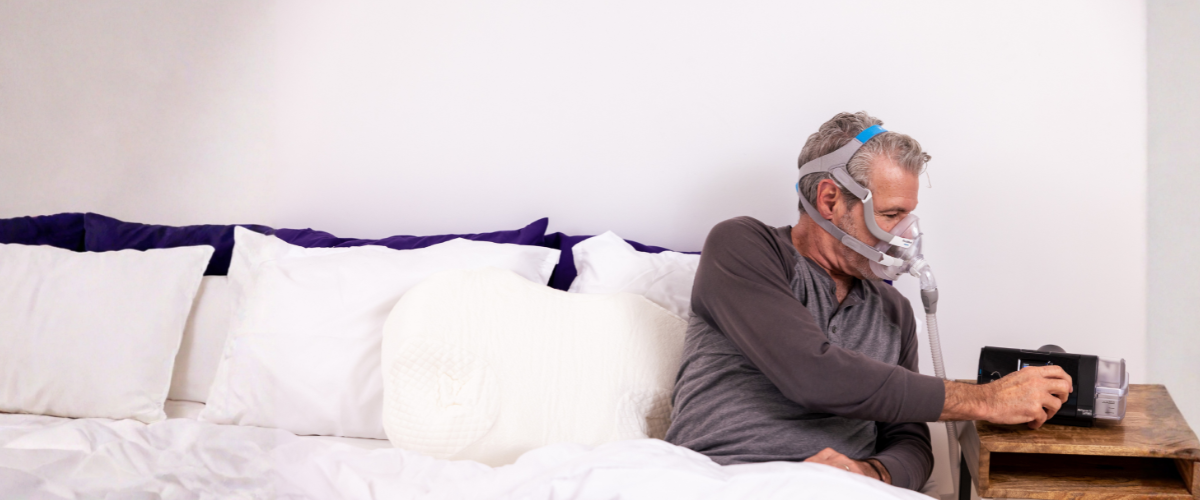
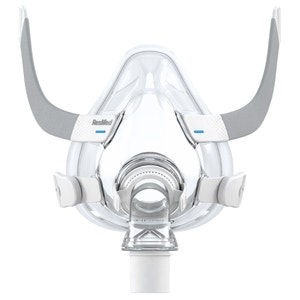
A full face mask, such as the Resmed AirFit™ F20, is typically the best mask type for CPAP users who require stronger pressure levels in order to achieve effective therapy.
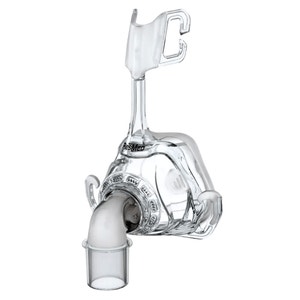
A traditional full face mask allows airflow through both the nasal and oral airways and will typically feature a more structured headgear design which keeps the mask’s cushion still and in place.
A more even distribution of air pressure between the nose and the mouth makes for more comfortable treatment and most users find that full face CPAP masks with the traditional, triangular-shaped cushion seal much easier than nasal and nasal pillow mask options.
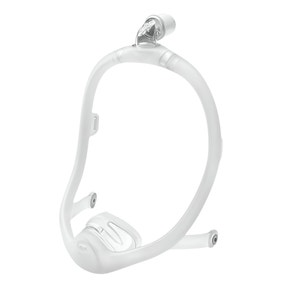
A minimal contact full face mask such as the Resmed AirFit™ F30i or the Philips Respironics DreamWear may deliver air through both the mouth and nostrils but the under-the-nose design prevents the mask from fitting tight enough at the nose to prevent leaks.


Nasal CPAP Masks
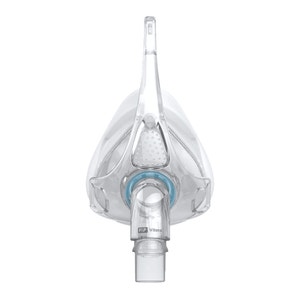
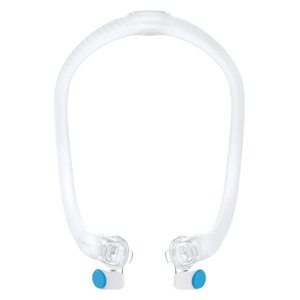
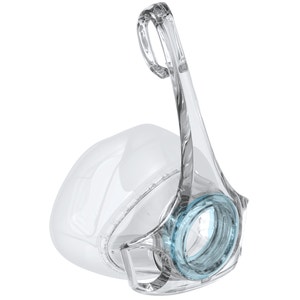
Most CPAP machine users find that over-the-nose nasal masks like the Fisher & Paykel Eson™ 2 offer a better seal and higher comfort level when used with higher CPAP pressures than an under-the-nose nasal CPAP mask such as the Philips Respironics Dreamwear Nasal.
A nasal mask cushion that seals over and around the nose instead of under and against the nostrils will have a stronger, skin-tight seal and allow less leaks. Occasionally, high CPAP pressures are strong enough to blow the mouth open, so adding a chinstrap to your nasal mask setup might be a good option!
Nasal Pillow CPAP Masks
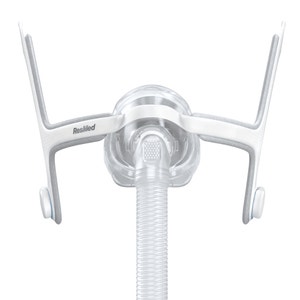
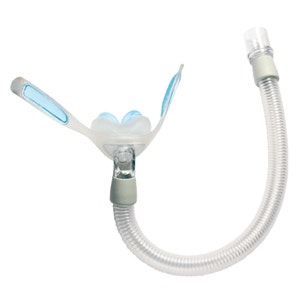
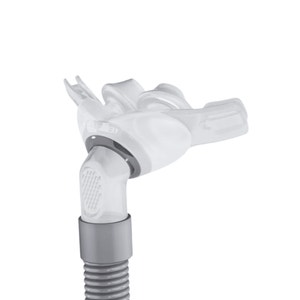
While nasal pillow masks are preferred by many CPAP users due to their minimal contact design, they’re not going to be the best type of mask for users with high pressure levels. In fact, of the different mask types available, they’re the least effective with high pressures and will have the least comfortable fit due to such a high amount of air pressure being pushed through very small airways (nasal pillows).
The small air passages of nasal pillow masks are unable to support large amounts of pressure and will allow leaks in most cases. However, you may still find that nasal pillow masks work great for your needs and high pressure settings! Use our simple Find Your Mask feature here to identify if this mask type could still work for you!
You May Be Able to Help Your CPAP Mask Seal Against Your High Pressure
Just as most people have their favorite pillow and blanket, it’s very common for CPAP users to already have their hearts set on a specific mask. If you’ve selected a mask that is the perfect size and able to support your high CPAP pressure but is perhaps allowing more leaks than you’re comfortable with, here are a few tips and products that might help!
Mask Liners
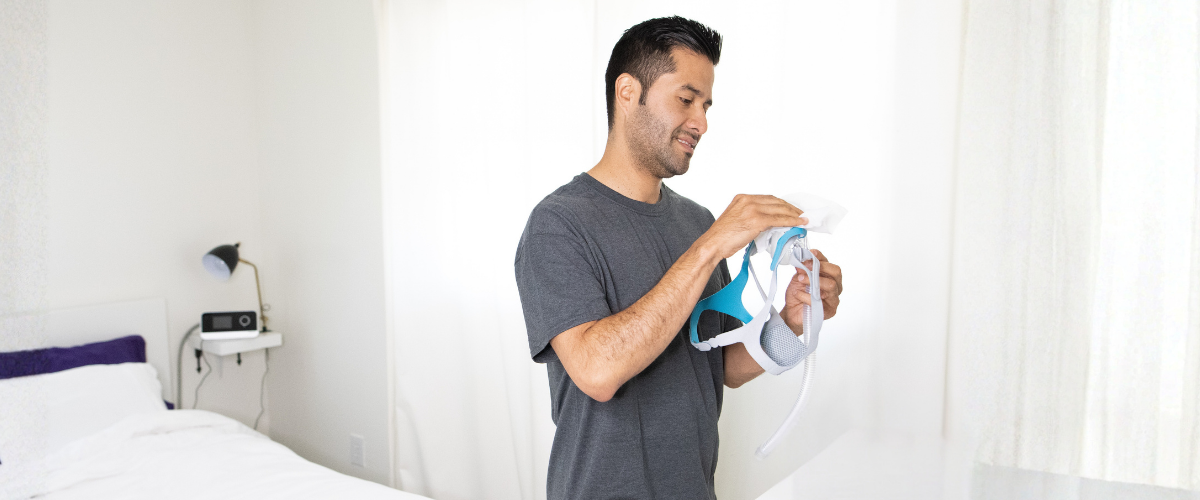
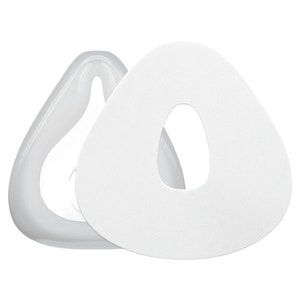
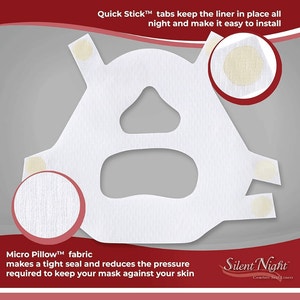
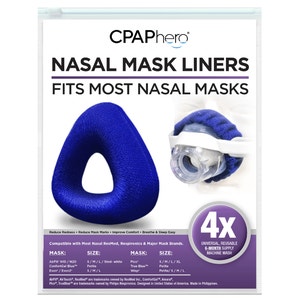
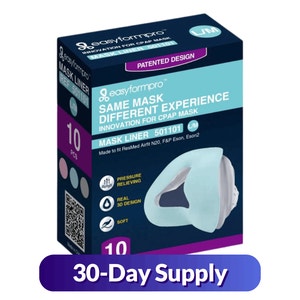
CPAP mask liners are a favorite among CPAP users who struggle to achieve a good mask seal for one reason or another. A CPAP mask liner can help your mask seal by preventing your mask from sliding around as you sleep and by creating a smooth barrier to seal with your skin more easily, and by helping to maintain cushion integrity which can be jeopardized by facial oils, facial hair, etc.
Mask Leak Gel
No one’s skin is perfectly smooth and even the tiniest of gaps in your cushion's seal can allow for air to escape which causes larger gaps. CPAP mask gel works by filling in those tiny gaps and reinforcing the seal to support stronger pressures.

Replace Your Supplies Regularly
Higher pressure settings often require users to maintain a tighter fit on their mask which can wear through the mask’s headgear, frame, and cushion more quickly. With time, cushions – like any gasket or silicone product responsible for containing pressure – will begin to lose their rigid shape and design which will allow larger and more frequent leaks.
Replacing your CPAP mask components according to the standard replacement schedule will help to ensure that your mask parts are capable of withstanding your higher pressure levels without the need to overtighten or constantly readjust.
You can find all your mask replacement supplies easily and quickly in one simple spot using our Parts Finder feature here!
What Other Factors Can Affect My CPAP Mask’s Seal?
Many factors contribute to mask leaks. Your Continuous Positive Airway Pressure (CPAP) or Bi-Level Positive Airway Pressure (BiPAP) machine relies on a secure seal in order to deliver the correct amount of treatment pressure throughout the night. But there are several other reasons for mask leaks. These reasons may include:
Ill-fitting Masks
Mask air leaks can occur when a CPAP mask’s components aren’t the right fit for the user’s facial features, sleep position, or breathing habits.
Incorrect Sizing
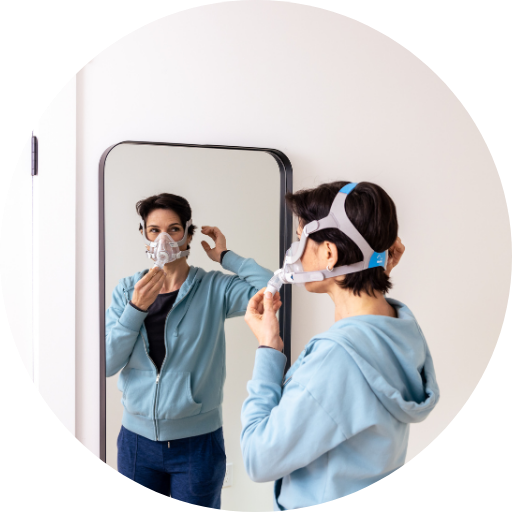
The most common reason for CPAP mask leaks is mask fit. Mask leaks will occur when the mask doesn’t fit properly over the cheeks, around the mouth, or across the bridge of the nose. Ensuring the correct Headgear size also helps the silicone cushion to sit correctly on the face.
Facial Hair
Beards and facial hair can prevent a CPAP mask’s cushion from being able to form a tight seal against the skin. You can learn more about the best masks for beards and facial hair in this blog.
Sleep Position
For side sleepers, active sleepers and users who sleep on their stomachs, CPAP leaks can occur when the CPAP mask fails to sit in the intended position on their face.
Other Health Issues
Even with the correct mask, something as simple as nasal congestion can cause leaks if you’re unable to breathe adequately through your nose. Skin conditions may also affect your ability to wear your mask tight enough to maintain a constant seal.
What if I Feel Like My Pressure is Too High?
It’s extremely common for new CPAP users (or users new to a certain type of CPAP machine) to speak with their healthcare provider weeks to months after beginning CPAP treatment in order to revisit their progress and discuss any potential concerns.
If you feel that you’ve done all that you can to adjust to your high pressure settings, we encourage you to contact your provider. They’ll be able to review your sleep therapy data and reference your sleep study to see if any adjustments are necessary.
What This Means for Your CPAP Therapy
Finding the right mask is not always easy, but once you find the right one, you'll be able to confidently get the sleep apnea treatment you need!
The CPAP mask is a major make or break for the success and continued usage of your CPAP therapy. Don't let high pressure settings or other considerations outside of your control deter you from receiving the treatment you need for a restful sleep each night.
Find Your Perfect Mask with our Helpful Features!