



CPAP and Humidification: Achieve More Comfortable Treatment
- Aug 6, 2026
CPAP and Humidification: Achieve More Comfortable Treatment
CPAP machines have been available for in-home use to treat obstructive sleep apnea (OSA) for more than four decades. During that time, manufacturers have continued to prioritize therapy comfort when designing and producing the latest models. In fact, not long after CPAP machines became available for home use, comfort features and customizable settings became the industry standard. But even still, many CPAP users turn their machine on each night without knowing that their treatment could be more comfortable and easier to tolerate.
Why is humidification important for CPAP machines? Short answer: humidification is one major way to improve treatment!
What to Know About CPAP Machine Humidifier Chambers
How do CPAP machines create humidified air?
CPAP machines, themselves, do not actually create the humidification. Instead, heated CPAP humidification works like this:
-
The CPAP machine draws in air from the room around it. The air enters the machine through a small, filtered port at the side or back of the device.
-
A high-speed blower/turbine pressurizes the filtered air to the doctor-prescribed pressure levels
-
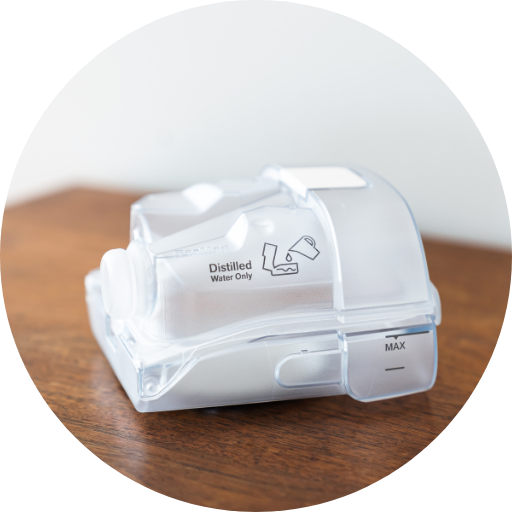
The heated metal plate at the bottom of the humidification chamber gently heats the distilled water inside of the chamber and the pressurized air passes over it.
-
The heat causes evaporation which allows moisture to mix with the airflow more easily
-
The newly humidified air pressure moves through the CPAP machine’s tubing to the mask where it’s delivered to the user
Why is CPAP Humidification Needed?
Humidification is one of the most beneficial comfort settings on today’s CPAP machines. And while humidity isn’t medically required and doesn’t change the overall functionality of a CPAP machine, it can drastically improve the user’s success and ability to maintain consistent treatment compliance.
Reduces Dry Nasal Passages
The continuous pressurized air from a CPAP, APAP, or BiPAP machine can easily dry out the user’s nasal passages, especially at higher settings. Humidification adds enough moisture to a machine’s treatment air to prevent dry, irritated nasal airways.
Prevents Dry Mouth
One of the most common treatment side effects and the side effect that can cause the most non-sleep apnea health issues is dry mouth. Luckily, dry mouth is easily prevented by CPAP humidification.
Creates Comfort at Higher Pressures
CPAP users who have been prescribed higher pressure settings often find that their treatment is more comfortable without the mouth and throat irritation caused by dry air.
Helps Reduce Nasal Congestion
Adding humidity to your machine’s pressurized air can prevent dryness and irritation in the nasal passages that often lead to nasal congestion and even nose bleeds.
Easier Treatment During Winter or Dry Seasons
Indoor central heating systems tend to reduce the humidity level in the home and CPAP humidification can replace any humidity that may be lost during the winter months.
Frequently Asked Questions
Do I need to use a humidifier with my CPAP machine?
The short answer: Not necessarily.
Humidification isn’t required for CPAP therapy. In fact, many users prefer their pressurized CPAP air without any humidification. But for most people, CPAP therapy with humid air is just more comfortable and tolerable long-term. Further, while some CPAP users may not need humidification every day, many find that adding humidity to their treatment when the weather is colder (and dryer) and when they’re experiencing sinus or allergy problems can create more comfortable use.
Can I adjust the amount of humidity my CPAP machine puts out?
Yes. Nearly all of the CPAP machines manufactured over the last 2 decades allow customers to adjust many of the comfort features including humidity control. Your user manual will provide you with instructions on how to adjust humidity levels. If you’re unable to locate your user manual at home or (digitally) online, you can reach out to the company you purchased your machine from for assistance.
What’s the difference between a CPAP humidifier and a home/room humidifier?
While both humidifiers service the same purpose of adding humidification to air, each device serves a different purpose. CPAP humidifiers add moisture to air by incorporating steam from heated water into pressurized air that’s fed directly into the oral and nasal airways using a CPAP mask. A room or home humidifier increases the amount of humidity in the air within your home but that humidified air is not likely to benefit your CPAP machine treatment air.
Will using my CPAP machine with the humidifier make CPAP treatment more tolerable?
For many users, yes. While humidification isn’t a required part of CPAP therapy, it can drastically reduce the side effects that often cause users to abandon treatment. These side effects include everything from dry mouth, to sore throat, to nasal congestion. More comfortable treatment air leads to more consistent and successful use of a CPAP, especially for those who are new to treatment and those who have high pressure settings.
Should I use high or low humidity settings on my CPAP machine?
There’s no one right answer to this question. However, there is a right answer for you. The best humidification setting is the one that’s high enough for you to sleep comfortably without waking up with side effects caused by dry air but low enough that you are not dealing with excessive humidification side effects such as “rain out” which is a term used to describe beads of water accumulating within the CPAP mask and leaving your mask and face wet after use. Experiment with different humidification levels each night until you find your “goldilocks” setting.
What is a heated humidifier?
With the exception of travel CPAP machines, nearly all CPAPs available today include an integrated heated humidifier. The humidifier consists of a thick plastic water chamber that is filled with distilled water and sits on a heated metal plate inside of the machine. As the plate slowly warms the water, it creates warm moisture (steam/vapor) that is mixed with the machine's pressurized airflow.
Do I have to use distilled water in my CPAP humidifier chamber?
Distilled water is the best type of water to use with your CPAP machine. Not only is it better for your machine but it’s also better for you. Distilled water has been purified so that it is free of salts, minerals, contaminants, and other impurities that are commonly found in tap water. By using distilled water, you can avoid mineral build up within your machine’s water chamber. Using only distilled water in your CPAP treatment prevents nose/throat irritation and can help you avoid nose/throat irritation.
How does humidification factor into my sleep apnea treatment?
Just like the temperature your central air conditioning is set to, the amount of humidification your machine provides can be adjusted to your preferred levels, and majorly impacts how comfortable you are while you’re sleeping.
Reach out to your CPAP supplier today to request instructions on how to adjust your machine’s humidity levels and be well on your way to a more comfortable night of sleep.