


Do I Have Sleep Apnea? The Ultimate Symptoms Checklist
- Jun 11, 2026
How to Tell If You Have Sleep Apnea: The Ultimate Symptoms Checklist
Experts estimate that there are millions of people living with sleep apnea without even knowing it and recent studies show that as much as 80% to 90% of sleep apnea cases are undiagnosed in the United States. Such an alarmingly high statistic made us ask ourselves; “Why is sleep apnea so common now?” It might surprise you to know that the answer was a general lack of education, awareness, and resources. Luckily, our team has put together one comprehensive guide to help you recognize the signs of sleep apnea.
What is Sleep Apnea?
It's hard to identify exactly how to know if you have sleep apnea without first learning what it is. Many people wonder can you have sleep apnea and not know it. The answer is yes! Sleep apnea is a common sleep disorder in which a person experiences a pause in breathing (apnea) or very shallow breathing (hypopnea) during sleep.
These events can happen dozens to even hundreds of times per night and negatively impact an individual's quality of life by decreasing the quality of their sleep.
When diagnosing patients with any type of sleep apnea, they will classify them as either:
• Mild sleep apnea
• Moderate sleep apnea
• Severe sleep apnea
Types of Sleep Apnea
Obstructive Sleep Apnea (OSA)
For those who have Obstructive Sleep Apnea (OSA), the upper airways repeatedly become partially or fully blocked during sleep which causes breathing to be labored and shallow or paused entirely.
These blockages can be caused by either physical obstructions or the over-relaxation of the throat muscles. It can feel like choking as you fall asleep as well.
Central Sleep Apnea (CSA)
The repeated blockages experienced by those with Central Sleep Apnea (CSA) occur when the brain temporarily fails to send the proper signals to the muscles that control breathing.
Complex Sleep Apnea (CompSAS)
Complex Sleep Apnea (CompSAS) is also known as Treatment-Emergent Central Sleep Apnea (TECSA). This particular sleep disorder occurs when obstructive sleep apnea symptoms are present but central apneas emerge when the obstructions are treated with a CPAP machine.
What Are the Most Common Symptoms of Sleep Apnea?
It’s extremely common for the signs and symptoms of sleep apnea to be missed or misunderstood. Being aware of how your sleep health can be linked to the way you’re feeling is a great first step towards improving your overall health.
Loud, Chronic Snoring
Snoring occurs when the airway is partially blocked, causing the tissues in the throat to vibrate. Not everyone who has sleep apnea snores, and not everyone who snores has sleep apnea, but snoring is the most common warning sign of obstructive sleep apnea (OSA).
Pauses in Breathing
One sign of sleep apnea that tends to be noticed by an individual's bed partner before the individual themselves is a pause in breathing. These pauses can last for several seconds at a time and happen dozens to hundreds of times per night.
Gasping, Choking, or Snorting Awake
When breathing restarts after an apnea event, the body may suddenly wake up to restart breathing by re-opening the airway which may cause a snorting, coughing, or even a choking sound.
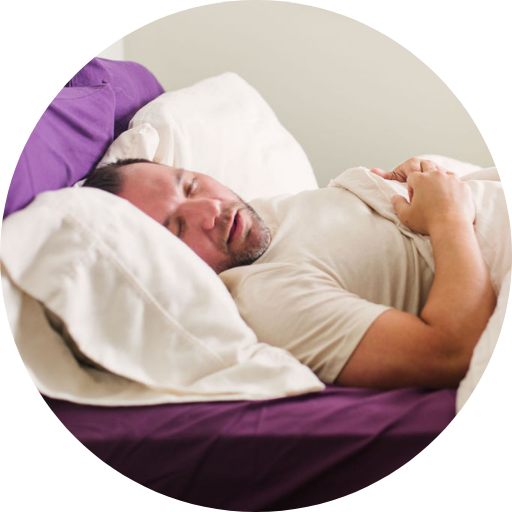
Excessive Daytime Sleepiness or Fatigue
What does sleep apnea fatigue feel like? It is different from regular poor sleep. Repeated sleep interruptions prevent the body from achieving the deep, restorative sleep needed to repair the body, as well as the brain, and can lead to the need for multiple daytime naps or dependency on caffeine which can negatively impact sleep even further.
Morning Headaches
Sleep apnea can reduce oxygen levels and disrupt sleep routine which often leads to morning headaches. These headaches are typically described as dull and pressure-like but they usually improve as the day goes on.
Mood Changes
Emotional regularity and mental health can be majorly effective by chronic sleep disruption. People with sleep apnea may be more short-tempered, irritable, anxious, or stressed.
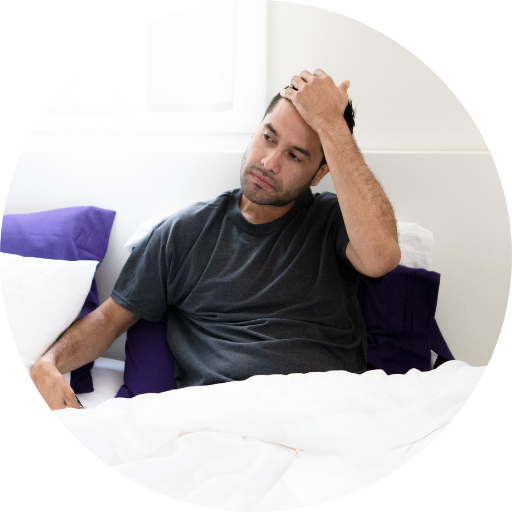
Night Sweats
Sleep apnea sleeping causes a number of side effects, one of the most common being night sweats. Repeated breathing interruptions can put stress on the body which can trigger sweating during sleep.
This symptom will typically occur alongside gasping or frequent awakenings.
Frequent Nighttime Urination
Sleep apnea can increase the body’s production of a specific hormone that triggers the need to urinate at night.
This symptom can often be mistaken as a symptom of something other than sleep apnea but it’s actually very common for those with sleep apnea.
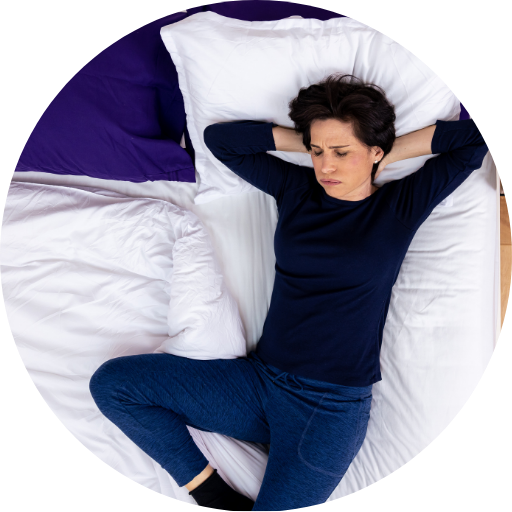
Reduced Libido or Sexual Disfunction
Fatigue, low oxygen levels, and sporadic changes in hormones that are caused by sleep apnea can lead to performance issues such as decreased libido levels and even erectile dysfunction.
How is Sleep Apnea Treated?
Due to medical treatment and technology advancements, there are many ways to treat sleep apnea. The treatment that works best for you will depend on a number of factors such as your sleep study results, your medical history, and your tolerance of a base-level CPAP machine.
CPAP Machines
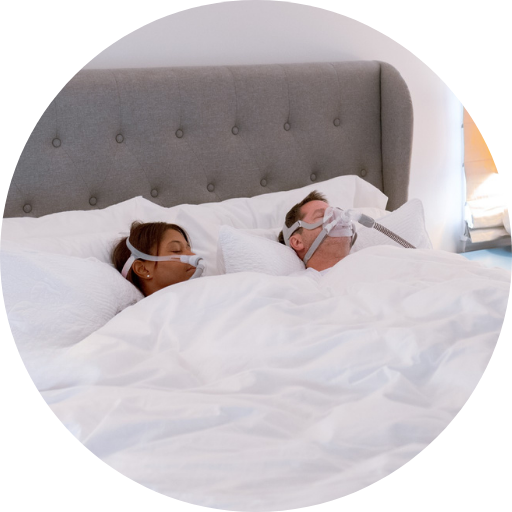
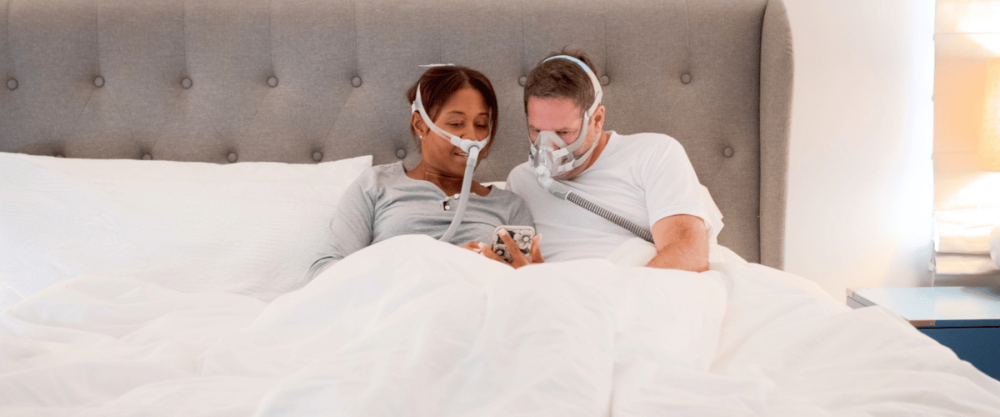
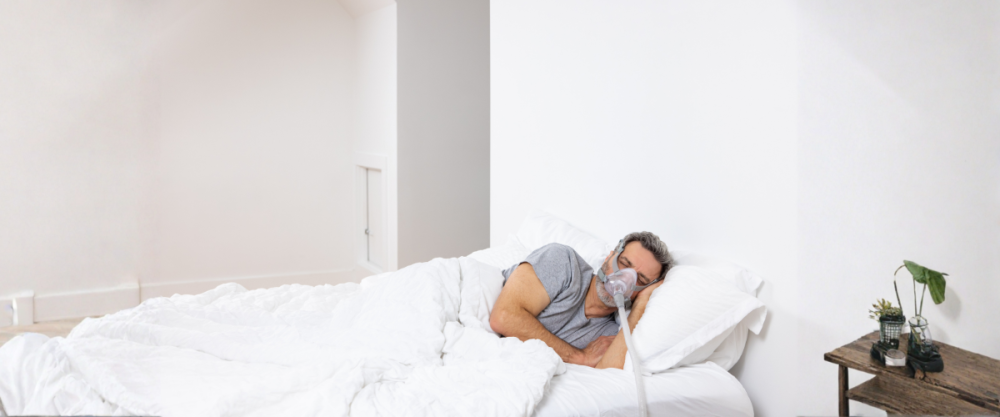
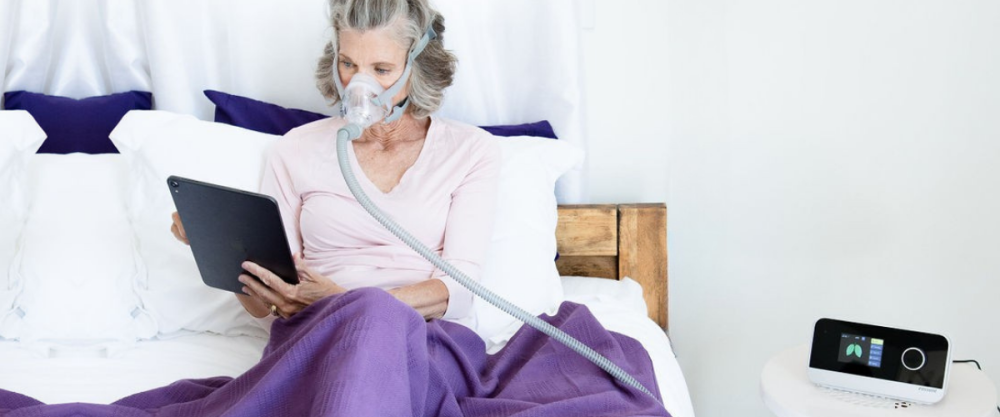
CPAP (continuous positive airway pressure) devices are machines that are roughly the size of a shoe box and treat sleep apnea through the delivery of constant, pressurized air that is pushed through a nasal, nasal pillow, or full face CPAP mask.
CPAP machines are also available in APAP (auto-titrating positive airway pressure) options such as the ResMed AirSense 11 Auto CPAP Machine, as well.
An APAP machine also delivers pressurized air in accordance with a doctor’s prescription but can be set to a range of pressures that the machine titrates (adjusts) between depending on a user’s fluctuating needs.
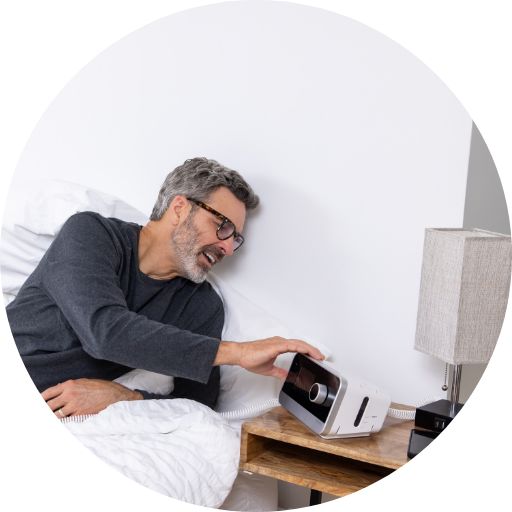
BiPAP Machines
BiPAP (bi-level positive airway pressure) devices deliver a constant pressurized air just like an APAP and a CPAP machine. However, the difference between the APAP/CPAP and BiPAP machines is that a bi-level device provides both inspiratory and exhalatory pressures that support the user both when they inhale and when they exhale. BiPAP machines use the exact same masks that any other machine users but typically work best with a full face mask, as opposed to a nasal or nasal pillow mask. BiPAP machines such as the AirCurve 11 BiPAP Machine are usually written for those diagnosed with central sleep apnea (CSA), severe obstructive sleep apnea (OSA), or for those who are unable to breathe against the pressure of a CPAP or APAP machine.
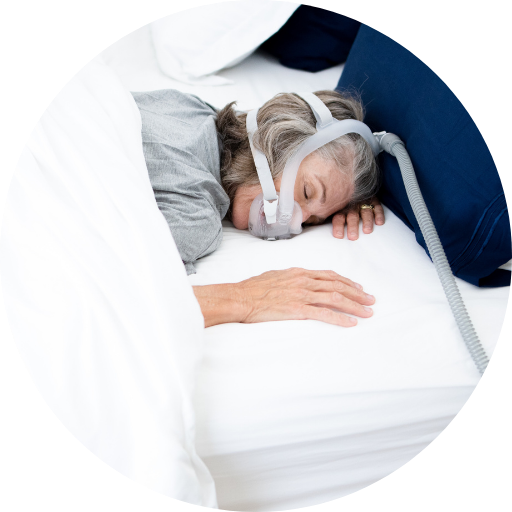
Positional Therapy
For those who only experience sleep apnea events when they’re lying a certain way, positional therapy is a great option.
A positional sleep aid will prevent you from rolling or moving into a specific position which may help you avoid disruptions in breathing.
You can also speak with your healthcare provider about using a positional therapy device before committing to a machine or procedure.
Items such as the CPAPology SleepNoodle Positional Sleep Aid make simple, silent, and affordable machine alternatives.
Weight Loss
Losing a few pounds isn’t a cure for sleep apnea. However, for those with breathing obstructions that have been caused by an excess of fatty tissue around the airways, losing weight can decrease airway blockage.Weight loss should only be considered as a treatment when paired with a machine, device, or procedure and the amount of weight each person made need to lose in order to benefit their individual case of sleep apnea varies from person to person. It’s best to speak with your healthcare provider before considering weight loss.
Alternative PAP Therapy
Advancements in medical technology over the last decade have produced numerous alternative therapy devices that each treat sleep apnea in various ways.
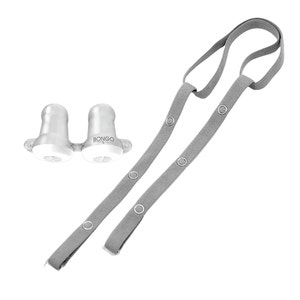
EPAP Therapy
Items such as the Bongo Rx Starter Kit are convenient, quiet, and easy to travel with. This type of product doesn’t require electricity, batteries, a mask, or a separate device and treats mild to moderate sleep apnea with a distinctive exhalation system that keeps the airways open. Pocket-sized therapy products that sit just inside of the nostrils are a low profile, unintimidating way to treat your sleep apnea.

iNAP
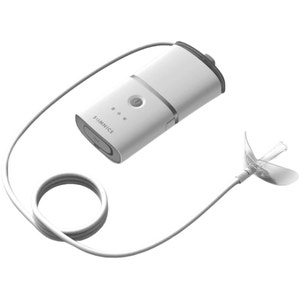
One of the more unique treatment options available today is the iNap by Somnics. An iNAP (intermittent negative airway pressure) device is a non-invasive oral interface used to treat mild to moderate cases of obstructive sleep apnea (OSA) through negative air pressure and a compact mouthpiece.
NMES
Neuromuscular Electrical Stimulation (NMES) therapy is used to treat both sleep apnea and snoring cases not related to sleep apnea through devices such as the eXciteOSA. This type of device improves the way that tongue and upper airway muscles function which leads to better muscle endurance that results in less airway collapse. Like most other alternative therapy devices, the eXciteOSA provides sleep therapy without the need for masks or machines.
Mandibular Advancement Devices
Another way to treat mild to moderate sleep apnea is through mandibular advancement devices which are custom made dental devices that are typically fitted and created by dentists who specialize in sleep medicine. This type of device works by gently moving the jaw and tongue forward to keep the airway open during sleep.
Surgical Procedures
There are a wide range of surgical treatments for sleep apnea that include everything from inspire hypoglossal nerve stimulation (a small implant that controls tongue movement), Septoplasty (nasal surgery), Tonsillectomy (the removal of tonsils and/or adenoids) and many other small surgeries that are mostly routine, outpatient procedures. An in-depth conversation with your healthcare provider regarding the pros and cons of surgical intervention is the best way to explore your options.
Frequently Asked Questions
If I snore, does that mean I have sleep apnea?
Actually, no. You can snore without having sleep apnea and you can have sleep apnea without snoring. The sound from snoring can occur without actual events occurring during sleep.
What do I do if I think I might have sleep apnea?
Luckily, there are a few ways to start. If you or your bed partner believe you may be showing symptoms of sleep apnea, begin by speaking with your healthcare provider about an in-lab sleep study or by taking a Home Sleep Test in the comfort of your own bedroom.
Is there a cure for sleep apnea?
Every individual case of sleep apnea is different but typically, no. Sleep apnea is typically caused by physical features such as the structure of a person’s nasal passages, throat, and airways that aren’t 100% curable even with surgery. And central sleep apnea, specifically, is caused by neurological issues.
Will insurance cover the cost of my sleep apnea treatment?
Sometimes! Just like with any other health service or product, insurance coverage for CPAP machines, alternative therapy, and surgical procedures depend on a number of factors such as medical necessity, insurance provider, and type of treatment received. Give your insurance provider a call to check your sleep health coverage. You can also see if you qualify to get your CPAP supplies through insurance via a HME company such as Aeroflow Sleep. You can check if you qualify right on their site.
Who is most affected by sleep apnea?
While many health matters target a specific gender or age, sleep apnea doesn’t judge! Millions of Americans are being treated for sleep apnea regardless of their age, gender, race, or pre-existing conditions. Sleep apnea is extremely common and can happen to anyone.
Is sleep apnea hereditary?
Physical traits that lead to sleep apnea can certainly be hereditary but no, sleep apnea itself is not passed down from one generation to the next.
Can alcohol make sleep apnea worse?
Yes! Alcohol relaxes the throat muscles and can increase the chances of airway collapse, worsening snoring and apnea events.
What happens if I don’t treat my sleep apnea?
Untreated sleep apnea can lead to numerous health issues including chronic fatigue, cardiovascular disease, metabolic problems, decreased quality of life, and accidents that occur as a result of memory loss and daytime drowsiness. In more severe cases, untreated sleep apnea can even result in death.
In Conclusion
Sleep apnea is currently one of the most common health issues in the world but luckily, it’s also one of the most easily treated.
Experiencing even one of the symptoms listed above is reason enough to look into sleep apnea testing. And if you’re diagnosed with sleep apnea, we encourage you to reach out to our customer service team for help taking the next step towards beginning successful sleep therapy.