


Common Myths About CPAP Treatment: Debunked
- May 15, 2026
Common CPAP Myths: Debunked
Since CPAP machines first began to grace the tops of bedroom nightstands, treatment-related myths have circulated. And while some myths are derived from truths, myths that are misleading and potentially harmful about using CPAP therapy for OSA tend to be much more common.
For those newly diagnosed with sleep apnea, it’s natural to want to gather as much information as possible, but it’s much more important to be sure that what you’ve learned about when do you need a CPAP machine, how CPAP works, and general information on sleeping with CPAP is correct.
To help guide you in the right direction, we’ve put together a list of wives’ tales and the truth behind them.
Myth: CPAP treatment is only for those who snore
Truth: CPAP treatment isn’t only for those who snore
CPAP therapy is primarily used to treat Obstructive Sleep Apnea (OSA), a condition that causes the breathing airways to become repeatedly blocked during sleep. Breathing around these blockages can often lead to snoring...but not always.
Oftentimes this myth comes from the common question: "will a CPAP machine stop snoring?" The truth is that each person's diagnosis is different and what’s true for one person isn’t always true for the next.
For instance, some people snore without having sleep apnea and some people are diagnosed with sleep apnea but don’t snore.
If you snore or if your bed partner has told you that you snore, it’s still worth following up with your healthcare provider or taking a Home Sleep Test, especially if you find that your snoring is accompanied by symptoms such as excessive tiredness after a full night’s sleep, waking up with headaches, or having trouble concentrating.
Also, if you already use a CPAP Machine and snoring is still extremely common, it might be worth talking to your doctor about adjusting CPAP settings or trying out a new CPAP mask.
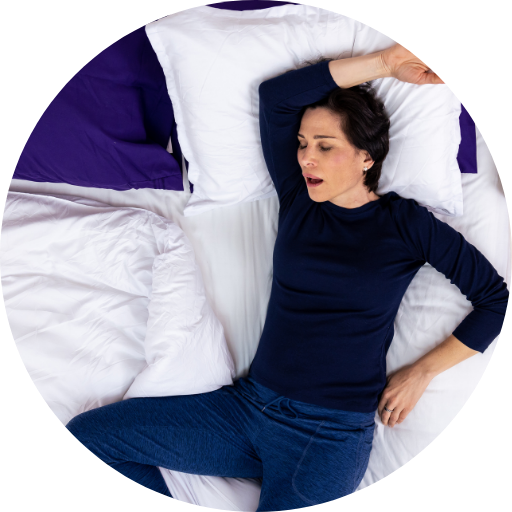
Myth: CPAP masks are always uncomfortable
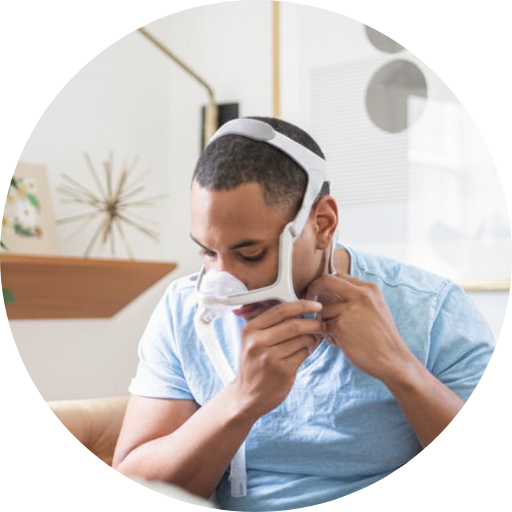
Truth: CPAP masks are only uncomfortable if they’re not the right fit and/or size for the user
Going for a run in a pair of tennis shoes that are 3 sizes too small would likely make for an uncomfortable run. The same can be said for sleeping with a CPAP mask that is the wrong fit or size for the user.
For instance, wearing a full face CPAP mask that is too small is likely to leave deep, sore indentations in the skin and wearing a mask that is too large will allow the mask to move around and rub the skin until it’s raw and irritated.
The wrong mask can even lead to other CPAP side effects that may seem unrelated to the mask altogether!
Though, perhaps just as important as the sizing is the correct fit and design of the mask you select. A traditional full face CPAP mask would be a miserable sleeping companion when worn by someone who is claustrophobic.
However, making a switch to a minimal contact full face CPAP mask would cover less of the face, leading to a more comfortable night’s sleep.
Myth: You can use any type of water in your CPAP humidifier
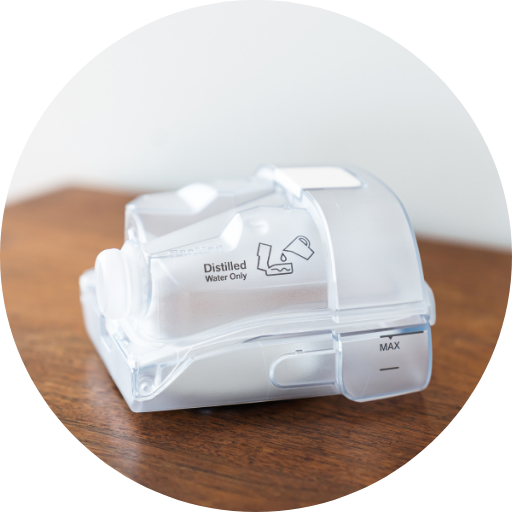
Truth: Distilled water should be used in your machine’s humidifier chamber
Distilled water is almost entirely absent of minerals and impurities that can cause build-up within the humidifier chamber and tubing.
Tap water contains minerals like calcium and magnesium which can leave deposits within the machine’s parts and develop into higher levels of bacteria and contaminants.
When you’re in a pinch, you can use purified water for a few days until you have access to distilled water but your machine will last long, run better, and be safer when using distilled water.
Myth: Surgery will treat my sleep apnea better than CPAP treatment
Truth: Surgery is not a 100% safe or "fix all" solution to treating sleep apnea
It has actually been found that CPAP treatment is just as effective, if not more so, than surgery for sleep apnea treatment.
Some people wonder "are CPAP machines safe" and it's been proven that CPAP treatment is a safe and budget-friendly option for treating sleep apnea. Surgery is a big commitment and is not the best option for many people.
Selecting CPAP therapy over surgery will give you peace of mind knowing you are getting great therapy without invasive treatment. CPAP machines can be purchased out of pocket or through insurance depending on your policy’s coverage.
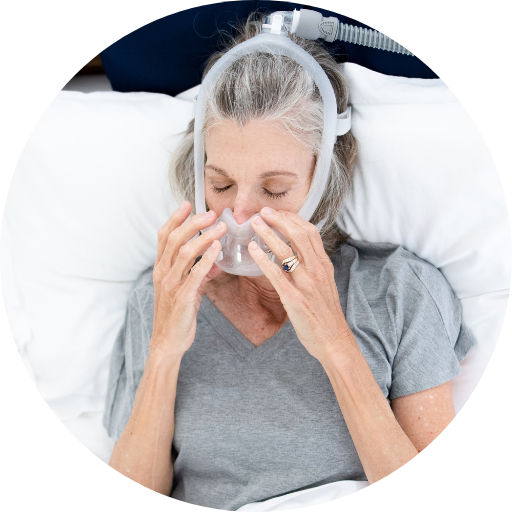
Myth: If I lose weight, I won’t need to use a CPAP machine anymore
Truth: Only a very small percentage of sleep apnea patients will not need CPAP treatment after weightloss
Losing weight can sometimes improve an individual’s case of sleep apnea and for obvious reasons, maintaining a healthy weight is always a great way to improve your overall health.
However, airway anatomy and other health issues also play a role in sleep health, so it’s common for individuals to still require CPAP treatment even after weight loss.
It’s also worth noting that for individuals diagnosed with central sleep apnea (CSA) or complex sleep apnea, apneas and hypopneas are caused by neurological reasons that are rarely linked to their weight.
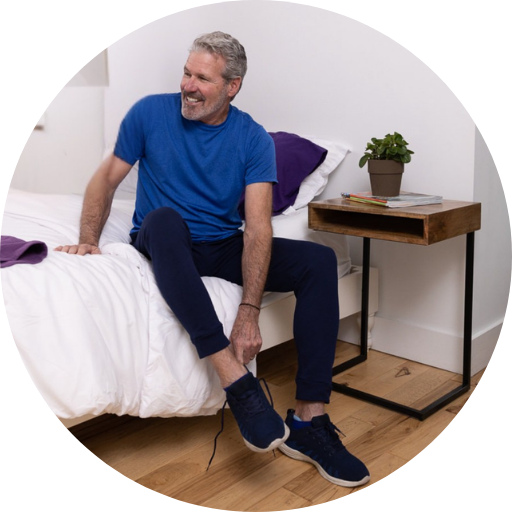
Myth: CPAP machines are only for elderly people
Truth: CPAP machines are used by people from all different age groups
While a majority of CPAP users currently range from 45-85 years old, CPAP masks are made in pediatric sizes for good reason.
Anyone of any age can experience airway blockages for any number of reasons and in those instances, continuous positive airway pressure (CPAP) treatment is typically the best way to go except for in cases where surgical procedures are required.
In the last decade, the average age of CPAP users has gotten lower, thanks for an increased focus on health and wellness in younger generations.
At any age, it’s a great idea to educate yourself on sleep health if you feel like you’re not benefitting from a full night in bed. Check out our blog to know what to look for: Warning Signs of Sleep Apnea
Myth: Cleaning my CPAP supplies with bleach is the only way to make sure they’re completely clean
Truth: Cleaning any type of respiratory equipment with bleach is a bad idea
Cleaning your humidifier chamber, tubing, and CPAP mask components with bleach is not only unnecessary but it can be dangerous! Even small amounts of leftover bleach can irritate the airways and enter the lungs.
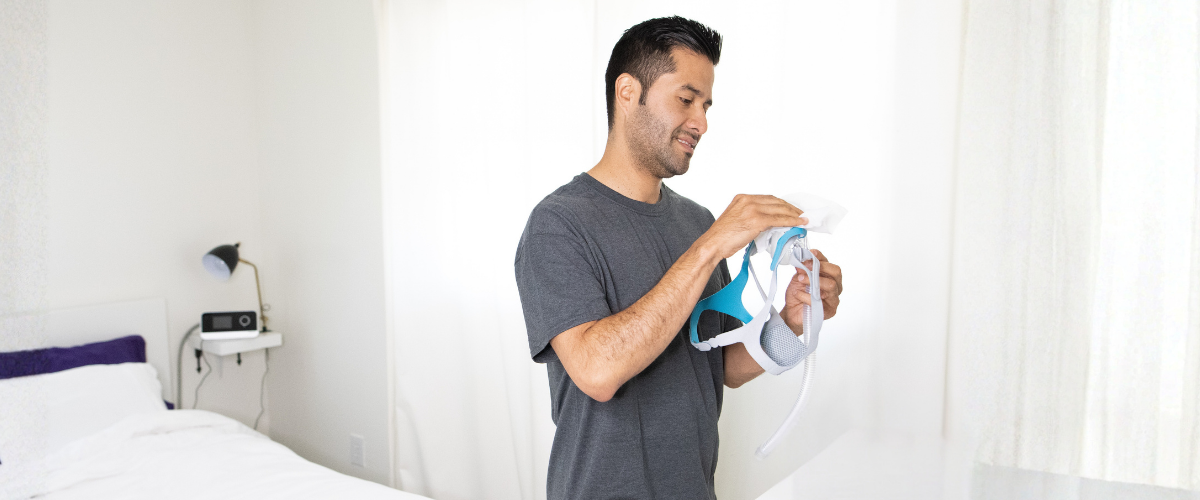
CPAP-specific cleaning supplies like Contour Health CPAP Cleaning Wipes or even a cleaning device like a UV sanitizer will always be the best way to go when cleaning your CPAP equipment.
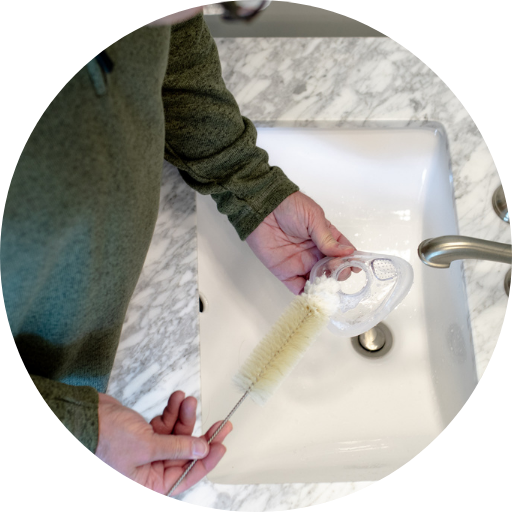
However, if you’re looking for a quick and easy cleaning option at home, grab the white vinegar from your kitchen cabinets. A mixture of 1 part white vinegar and 2 parts water is a safe and effective way to sanitize and clean your supplies by soaking them for 30 minutes before rinsing.
Be sure to let your mask and machine componnents dry completely before reattaching them to your machine.
Myth: I won’t stop breathing as long as I sleep sitting in my recliner
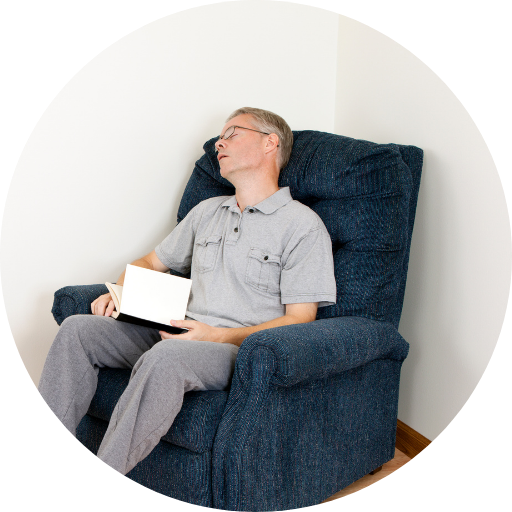
Truth: Sleep apnea doesn’t care what your sleeping position is
While it’s true that sleeping in an inclined position can reduce restriction on the airways and lessen the severity of obstructive sleep apnea (OSA) symptoms, the chances that apneas and hypopneas completely stop is incredibly slim.
It’s also worth mentioning that sleeping in a reclining chair each night can cause physical strain to the back and stiffness in the joints that happen less or not at all when lying in a more natural sleeping position.
Myth: Sleep apnea is harmless as long as you don’t have any other health issues
Truth: Even on its own, sleep apnea is a serious sleep disorder
Sleep apnea can still have major effects on the body of those who are otherwise healthy, as it can be caused by features an individual is born with such as simple as enlarged adenoids or a deviated nasal structure.
It’s true that being diagnosed with sleep apnea can increase the severity of other health issues you may have just as certain health issues can worsen the symptoms of sleep apnea.
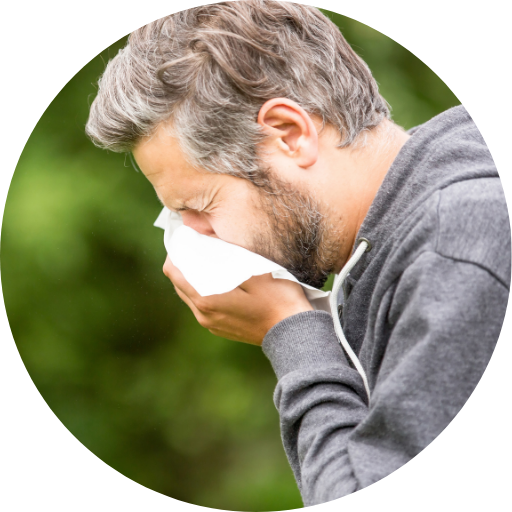
However, sleep apnea is a serious sleep disorder that can drastically reduce your sleep quality and quality of life, as well as weaken your immune system, leaving you more susceptible to certain sicknesses.
Myth: CPAP users can’t travel or vacation
Truth: CPAP machine users have more freedom to explore than ever before!
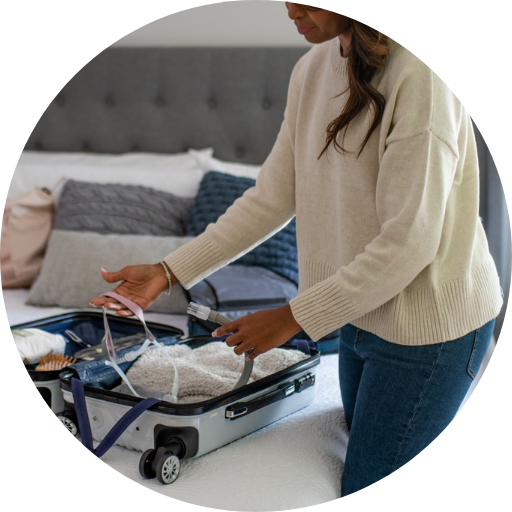
For most CPAP users, traveling with a CPAP machine is as simple as carrying an additional small to medium-sized bag. And flying in an airplane with your CPAP machine is easier than ever.
Under current U.S. regulations, CPAP machines are treated as medical assistive devices which means they do not count against your carry-on bag limit and can be brought on board for use during a flight, as long as the machine is packed in its own dedicated case.
Thanks for recent advancements in medical technology, even those who enjoy a camping trip are able to continue their sleep apnea therapy from the inside of a tent or the bedroom of an RV.
For these types of trips, travel CPAP machines have become a popular option for those who find themselves away from a constant power source for days at a time. And the convenience of CPAP-on-the-go doesn’t stop with travel CPAP machines.
Individually wrapped cleaning supplies, padded carrying cases, and DC converters to power your machine in your vehicle are just a few of the many travel friendly products that have begun to make life easier for CPAP users.
Myth: My prescription doesn’t have to include settings if I’m buying an auto CPAP (APAP) machine
Truth: Numeric pressure settings are always required for PAP device prescriptions
While APAP (auto-adjusting positive airway pressure) machines do have automatic functions, a licensed clinician is still required to calibrate a device with a range of pressure settings before it can be shipped to the user.
Regardless of the difference, the same type of CPAP machine pressure settings are still required, per FDA guidelines.
For instance, when a healthcare provider prescribes a machine programmed from 9cmH20 to 12cmH20 (centimeters of water pressure), an APAP machine is programmed to automatically titrate between the prescribed range of pressure settings depending on the user’s needs.
Biggest truth to take away...
Consider the source when acting on information you’ve heard through the grapevine about sleep apnea, CPAP machines, CPAP treatment, and lean heavily on the support of your healthcare provider and sleep specialists for treatment recommendations.
Your body, your specific health concerns and needs, and your sleep apnea is unique to you. Be sure to take the time to make your treatment appropriately work for you.