



How To Clean Your CPAP Supplies
- Sep 21, 2026
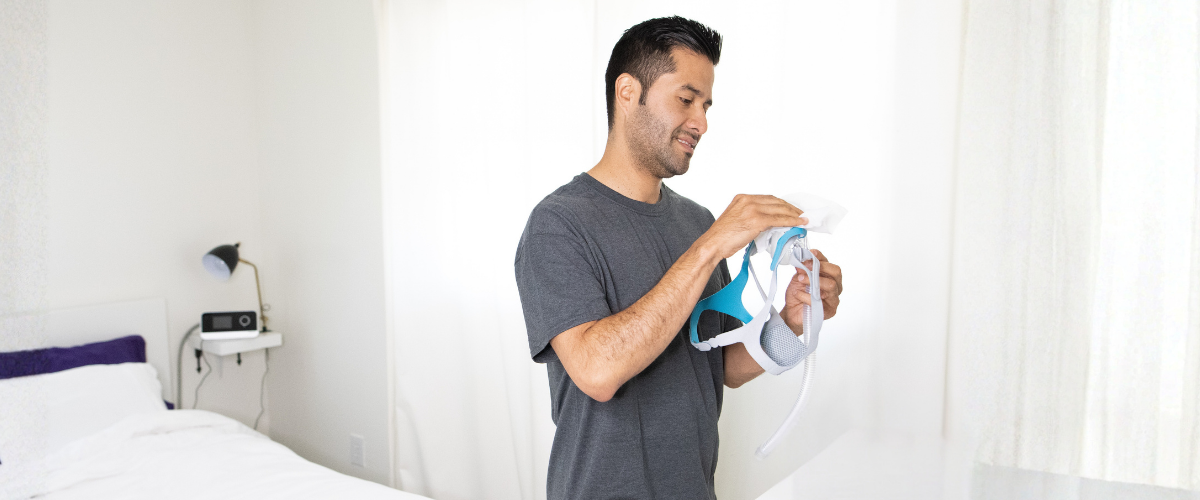
How To Clean Your CPAP Supplies & CPAP Mask Parts
One of the most common questions our Customer Service team gets are about the best ways to clean their CPAP supplies. Many people are surprised by how quick, easy, and low-cost cleaning CPAP supplies can be. This guide shows how to clean CPAP parts, how to clean CPAP masks, how to clean your CPAP machine, and which cleaning products for CPAP supplies may help.
What are the ways can I clean my CPAP supplies?
You don't need fancy cleaning products for CPAP supplies to keep a clean therapy routine. The sleep therapy market has grown rapidly in the last 20 years, and manufacturers now offer products for many types of users. The same is true for CPAP cleaning products and methods.
Option 1: Washing By Hand
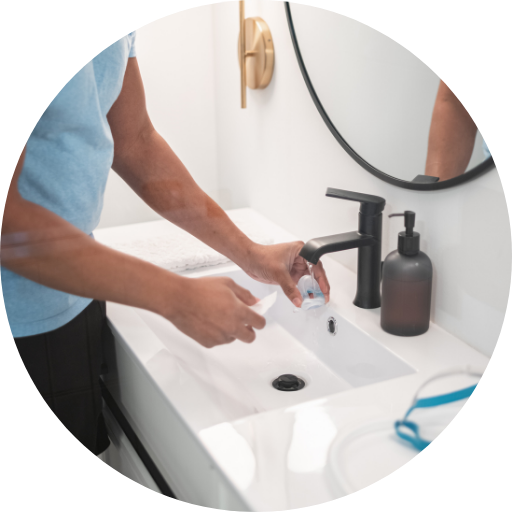
Since CPAP equipment entered homes, hand washing has been one of the safest and easiest ways to clean it. Check your user manual first, because each brand has its own instructions.
-
Wash your hands before you start.
-
Disconnect the power cord from your CPAP machine.
-
Take apart the machine's parts and pieces.
-
Fill a sink or basin with warm, drinking-quality water and a small amount of mild, fragrance-free soap.
-
Wash each part by hand. Pay special attention to parts that touch the face. Let water run through the tubing too.
-
Rinse well and let each piece air dry fully before you put it back together.
Option 2: Water and Vinegar Solution
It may surprise you, but some of the best CPAP cleaners may already be in your home. If you have skin sensitivity, soap can feel harsh even after a good rinse. If you worry about soap residue causing mold, vinegar and water can be a great low-cost and simple cleaning choice.
Important note before you start: Never pour the vinegar mixture directly into the machine.
-
Wash your hands before you start.
-
Disconnect the power cord from your CPAP machine.
-
Take apart the machine's parts and pieces.
-
Mix 1 part white distilled vinegar with 3 parts clean, drinking-quality water in a sink or tub. For example, use 1 cup of vinegar and 3 cups of water.
-
Soak removable parts in the mix for 20 to 30 minutes. This helps loosen mineral deposits and residue.
-
Rinse well until no vinegar remains.
-
Let all machine and mask parts air dry fully before reassembling.

Option 3: CPAP-Specific Cleaners
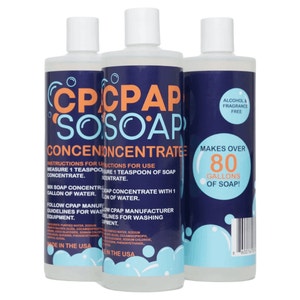
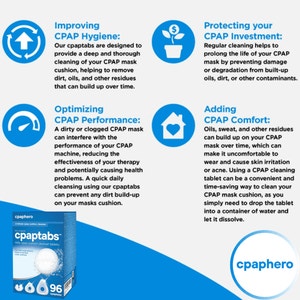
Many cleaning products for CPAP supplies are made to make the job easier. Products such as CPAP Soap's Cleaning Concentrate have alcohol-free, fragrance-free, and SLS-free formulas. They are gentle on CPAP masks but strong enough to clean water-holding parts like the water chamber.
Products made just for CPAP parts are a good way to protect your supplies, support your health, and keep your routine simple.

What is the recommended cleaning schedule for each part?
- Part: CPAP mask cushion/nasal pillows
- Recommended cleaning frequency: Daily
- Part: CPAP mask frame
- Recommended cleaning frequency: Weekly
- Part: CPAP machine tubing/hose
- Recommended cleaning frequency: Weekly
- Part: CPAP machine humidifier/water chamber
- Recommended cleaning frequency: Daily care and weekly full cleaning
- Part: CPAP machine humidifier/water chamber
- Recommended cleaning frequency: Daily care and weekly full cleaning
- Part: CPAP mask headgear
- Recommended cleaning frequency: Weekly
- Part(s): Mask pieces and parts (like a mask elbow, connector, vent, short tube, etc.)
- Recommended cleaning frequency: Weekly, at minimum (and dependent on the piece)
How can I clean my CPAP supplies when I travel?
Today, many manufacturers offer travel CPAP machines, hard cases, power adapters, and travel batteries, making it easier now more than ever to get your CPAP treatment no matter where you are. And, just as conveniently, there are many products for cleaning your supplies on-the-go.
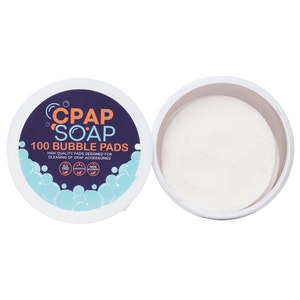
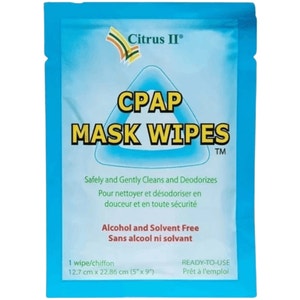
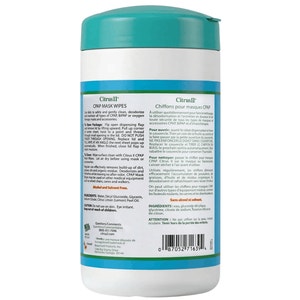
Cleaning Wipes
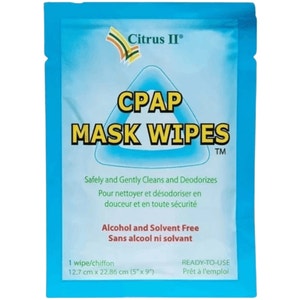
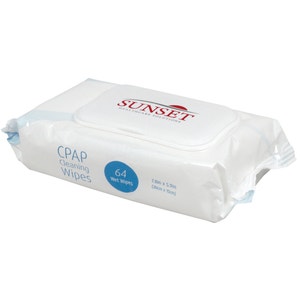
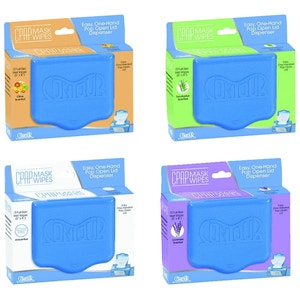
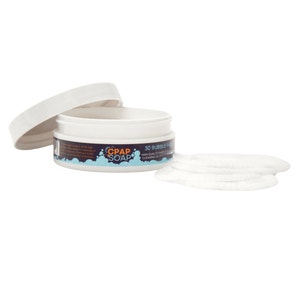
CPAP wipes are one of the most useful travel options. These let you clean supplies without water, power, or taking up much space.

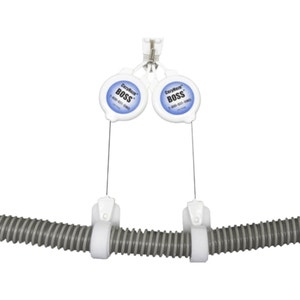
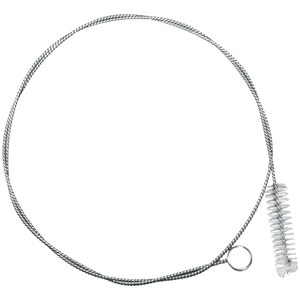
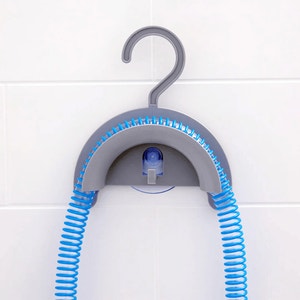
Tubing Brushes & Hose Hangers
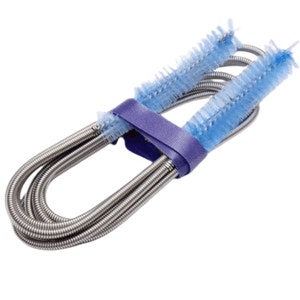
Many users worry about tubing when they travel. Tubing must air dry fully before it is reattached to the CPAP machine.
If it stays damp, mildew or bacteria can grow. A hose hanger can help a lot! Hang the tube to drain, drip, and dry.
Cleaning Sprays & Solvents
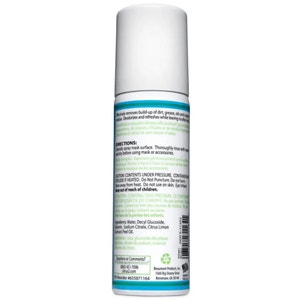
Similarly to wipes, cleaning sprays can help when you do not have much water or room and need to bust inside. These products let you clean, freshen, and care for CPAP mask parts on the go.
What happens if my CPAP equipment isn't cleaned regularly?
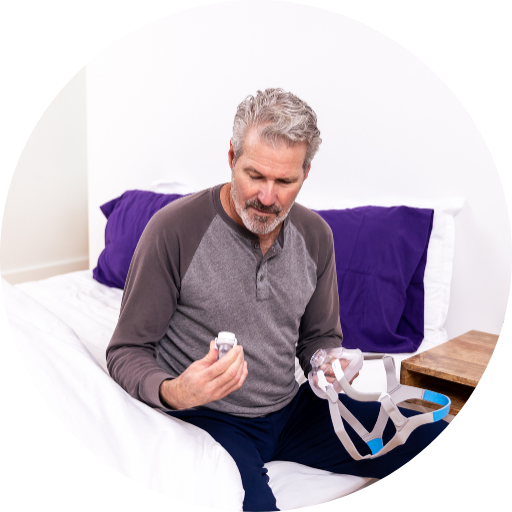
Unlike a recliner or microwave, a CPAP machine needs regular care. If it is not cleaned often, dirt and moisture can build up fast. That can lead to comfort issues and weaker therapy.
Breathing Irritation
Dirt, dust, and other contaminants can collect in poorly kept equipment. They may irritate the mouth, nose, and throat and lead to more sleep apnea events.
Bacteria and Germ Build-up
More than 90% of CPAP users use humidifiers and heated tubing. With moisture and warmth, germs can grow fast and may raise the user's exposure to bacteria.
Skin Irritation and Breakouts
Oils, sweat, dead skin cells, and bacteria can cause redness, itchiness, or acne where the mask touches the skin.
Mold Exposure
Damp or poorly cleaned CPAP components can let mold grow and can expose the user to irritants that affect the breathing system.
Is cleaning my CPAP products enough?
Cleaning helps extend the life of your supplies, but it is not the whole job. You also need a CPAP supplies cleaning schedule and a schedule for replacing your CPAP equipment. Follow the manufacturer's advice and and your doctor's direction and replace parts as often as recommended so your machine and mask keep working well.
We suggest that all CPAP users review the Industry Standard CPAP Replacement Schedule to make sure their supplies are replaced often enough for effective therapy.
If it's time to replace your supplies, you can find everything you need in one place using our Parts Finder Feature! In just a few simple steps, you can get each replacement item you need for your mask and machine.
Frequently Asked Questions
Question: Do I need special equipment or expensive products to clean my CPAP supplies?
Answer: No. You can clean CPAP supplies well with simple steps. Hand washing with warm, drinking-quality water and mild, fragrance-free soap is usually enough. A vinegar and water mix is another low-cost choice, especially for users with skin sensitivity or worries about residue.
Question: Why is it important to let CPAP parts air dry completely before reassembling them?
Answer: CPAP parts, especially tubing and humidifier parts, can hold moisture. If you put them back together while damp, that moisture may lead to mildew, bacteria, or mold. Letting each piece air dry helps lower that risk.
Question: Can I use vinegar to clean every part of my CPAP machine?
Answer: Vinegar can be used on removable CPAP parts when mixed with clean, drinking-quality water at a ratio of 1 part vinegar to 3 parts water. But never pour the vinegar mix into the CPAP machine itself.
Question: What are the easiest CPAP cleaning options for travel?
Answer: Travel-friendly options include CPAP cleaning wipes, a CPAP tube hanger, and mask cleaning sprays. These are useful when you do not have much water, space, or a power supply.
Question: If I clean my CPAP supplies regularly, do I still need to replace them?
Answer: Yes. Cleaning helps extend the life of CPAP equipment and mask parts, but it does not replace routine replacement. Follow the maker's guidance and a clinician-recommended CPAP supplies replacement schedule to keep therapy effective.
Sign up for our newsletter & get a 20% off coupon for your FRESH CPAP essentials!