



What Are CPAP Mask Leaks & How to Prevent Them
- Nov 16, 2026

What Are CPAP Mask Leaks and How to Prevent Them
Getting used to CPAP (continuous positive airway pressure) therapy for your sleep apnea takes time and mask leaks can make the learning curve even steeper. It’s extremely common for sleep apnea patients to abandon CPAP treatment altogether due to frustrating leaks that get in the way of a good night’s sleep and even cause issues such as dry mouth and eye irritation. Let’s review the common causes for CPAP mask leaks and introduce a few practical tips on how to prevent them.
What Are CPAP Mask Leaks?
Mask leaks are one of the most common CPAP mask issues and occur when your CPAP machine’s pressurized air escapes the CPAP mask.
Depending on your sleeping position, mask type, machine pressure settings, and various other factors, mask leaks can present differently from person to person.
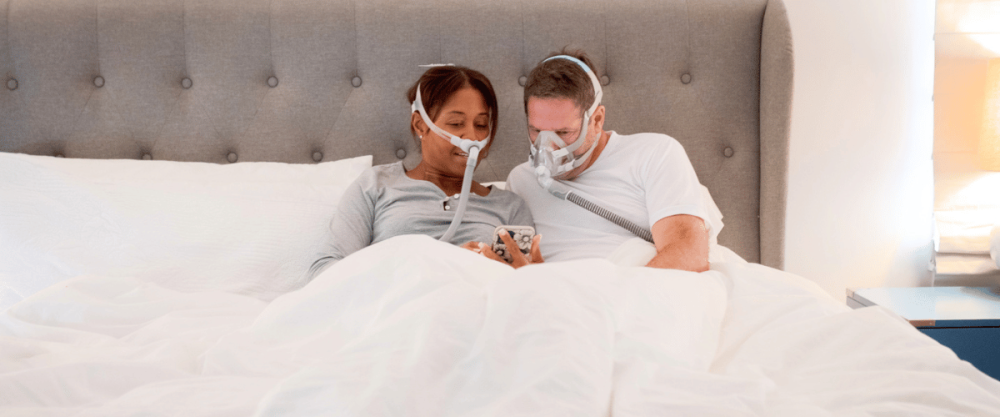
If you’re experiencing leaks, you may hear a whistling sound from your CPAP mask or your bed partner telling you that air is being blown onto them as they sleep.
In any case, mask leaks negatively affect your sleep apnea therapy and should be fixed as soon as they’re noticed.
What Causes Mask Leaks?
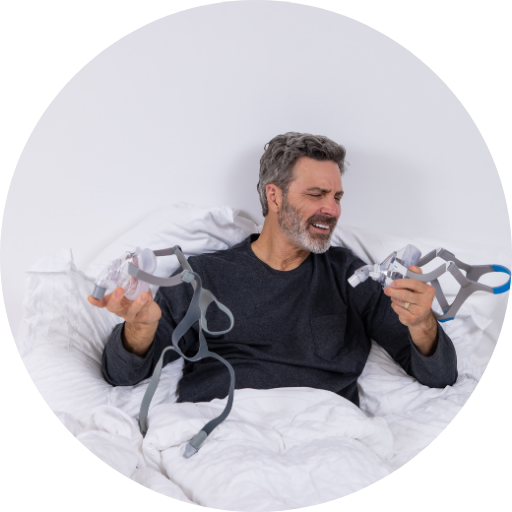
Before you can figure out how to fix your mask leak, you’ll need to know where your mask is leaking and what caused the leak to begin with. CPAP mask components have been thoughtfully designed to seal tightly in order to maintain a doctor-prescribed level of pressurized air but with nightly use, even the best made mask can begin to leak. Leaks can usually be attributed to the situations outlined below.
Worn out mask cushion
The most important part of your CPAP mask, as it pertains to leaks, is the mask’s cushion or pillow. While every CPAP mask has a slightly different design to accommodate a broad range of CPAP users, they will all include a cushion or a nasal pillow made up of a specific type of silicone or memory foam that seal around your mouth and/or nose.
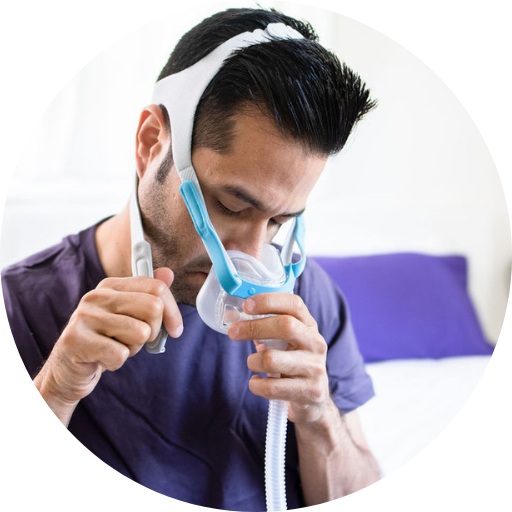
Full Face CPAP Mask Cushions
Traditional full face mask cushions fit over the user’s mouth and nose. If the cushion has become worn out from long-term use, it may no longer seal to the user’s face. Full face mask leaks typically happen at the corner of the user’s mouth or at the bridge of the nose when the silicone or memory foam is no longer rigid enough to form a tight seal.
For users who prefer a minimal contact full face mask design, the cushion will fit under the nose and over the mouth. Worn out cushions cause leaks from the mouth and chin, as well as the nose, when the cushion no longer seals around the nostrils.
Nasal CPAP Mask Cushions and Nasal Pillows
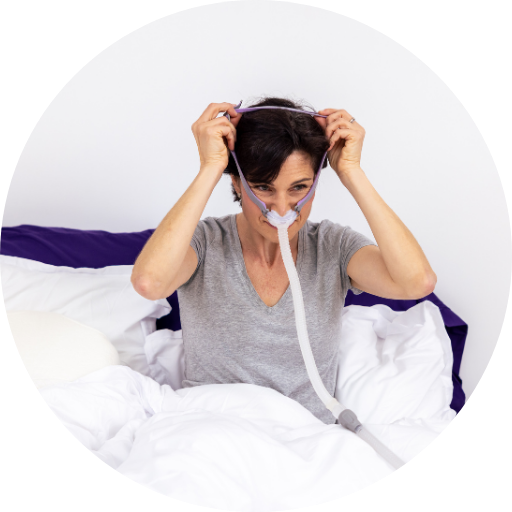
For CPAP users who don’t need the coverage that a full face mask provides, a nasal or nasal pillow mask is a great option. Nasal cushions seal off the nostrils by fitting over or under the nose.
If the cushion is worn out and no longer structured enough to form a seal, air can escape from anywhere around the nose.
Nasal pillow CPAP mask leaks tend to be less common but can still occur if the silicone nasal pillow has become worn and flimsy, no longer sealing tightly inside of the nostril.
CPAP Machine Tubing Connection
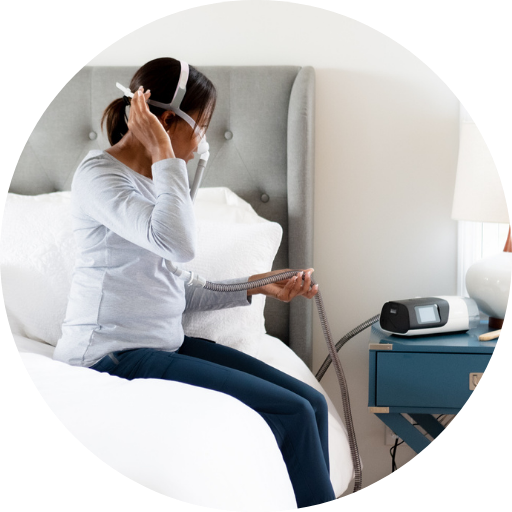
Another cause of pressurized air leaks is a faulty tube-to-mask connection. Each time one mask component connects to another, there’s another opportunity for leaks to occur.
If the CPAP mask and the rubberized end of the CPAP machine tubing are not connected properly, it’s likely that a leak will occur.
Just like a worn out mask cushion, the rubber ends of your CPAP tube can lose their rigidity and ability to seal with time.
Following a clinician-recommended resupply schedule to replace your CPAP machine tubing can help you avoid leaks where your mask meets your tube.
Incorrect CPAP Mask Fit or Mask Size
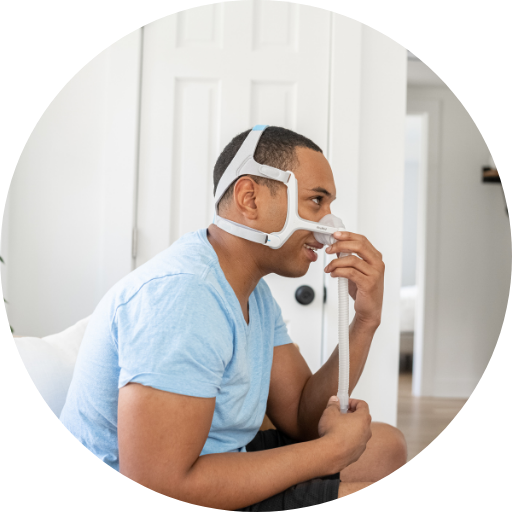
A well-fitting mask should create a secure, comfortable seal and stay in place even as you move throughout the night.
For example, side sleepers who use a nasal mask need to be sure to order their mask in a size that can maintain its seal around the nose, even when their face rests against a pillow.
Selecting a mask in the correct size is equally as important as finding one with the right design.
Ordering a CPAP mask that’s too small often means that the cushion isn’t able to cover enough of the face to seal off the nasal and oral airways, while getting a CPAP mask that’s too big won't ensure it forms a tight seal.
Making sure that your mask cushion, frame, and headgear all fit properly is one of the easiest ways to avoid mask leaks.
CPAP Mask Selection
The wrong mask in the right size is still a mask that’s likely to leak.
For instance, an under-the-nose nasal mask is almost sure to leak when worn by a user who tosses throughout the night, as it’s easier for the seal to break when a cushion simply sits against the nostrils instead of fitting over the nose and sealing to the cheeks.
When finding the right mask for you, be sure to consider your sleep position, breathing habits, and comfort preferences.
The right mask selection makes sleep better and CPAP treatment easier.
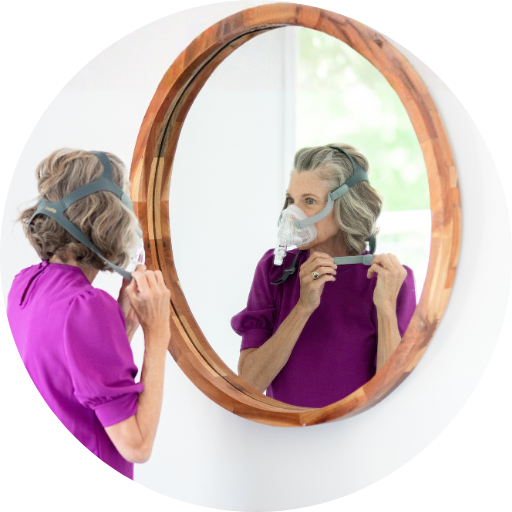
What Can I Do To Prevent Mask Leaks?
Make sure you order the right mask
Work with an authorized CPAP dealer for guidance and suggestions when selecting your mask type and size.
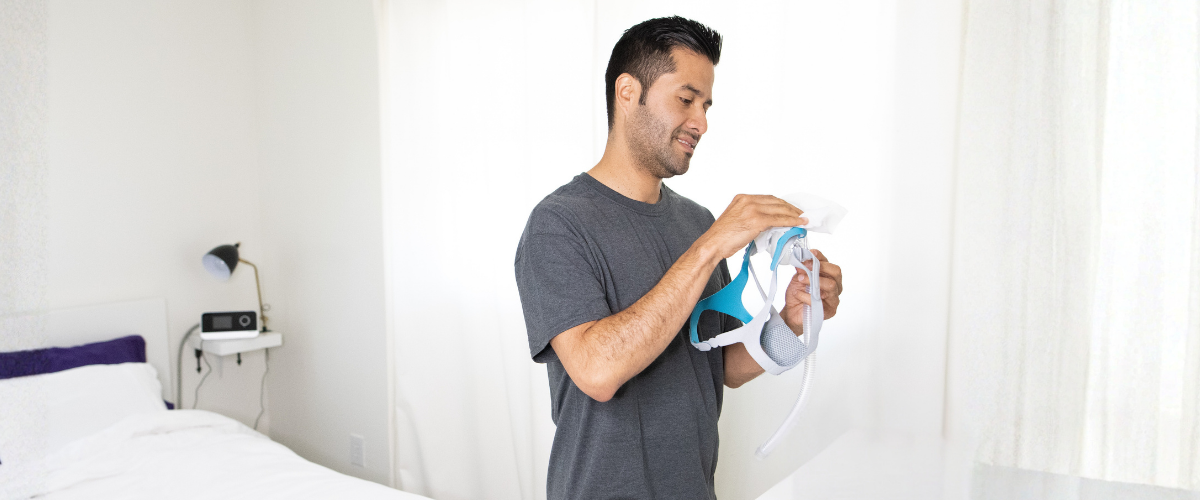
Disassemble and reassemble your parts carefully
When it’s time to order replacement parts or wash the supplies you have, be sure to carefully disassembly the mask and tubing to prevent breaks or tears that may cause leaks. When reassembling your mask, double-check that your connections are tight to ensure a good seal before powering on your machine.
Pair your supplies with a helpful accessory or product
Sometimes, leaks are practically unavoidable. In those cases, products such as Snugell’s Mask Gel Nose Pads and Silent Night’s Full Face Mask Liners can be just what you need to keep your favorite mask from leaking
Follow a proper resupply schedule
Perhaps the easiest way to avoid CPAP masks leaks is to replace your supplies according to common sleep clinician-recommended resupply schedules.
Frequently Asked Questions
Why does my CPAP mask leak when I sleep on my side?
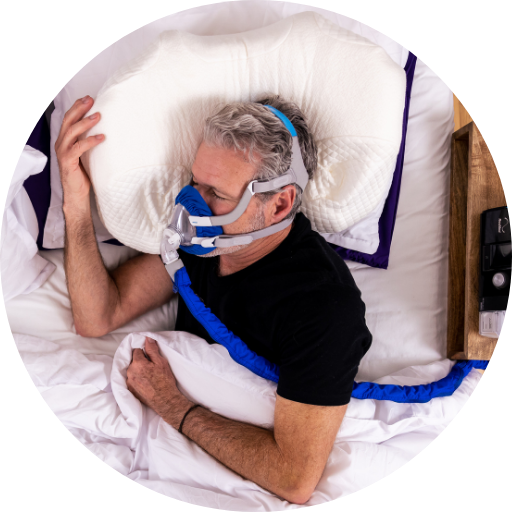
When sleeping on your side, one side of your face is pressed against your pillow. This can push the CPAP mask frame and cushion out of position, causing leaks. You can fix this by putting your CPAP mask on but waiting to tighten your headgear until you’re in a comfortable sleeping position.
Why is air from my CPAP mask blowing into my eyes?
Pressurized air leaks into the user’s eyes can be caused by a number of factors but this type of leaks is most often caused by a worn out CPAP mask cushion that needs to be replaced or an incorrectly sized cushion that cannot form a seal. It’s important to remember that air blown into the eyes can cause extreme discomfort and damage to the eye’s surface.
My machine says I have leaks. Why don’t I feel or hear any from my mask?
In some cases, leaks aren’t noticeable enough to wake you. It’s also important to remember that not all mask leaks are a result of your CPAP equipment. For instance, wearing a nasal CPAP mask when you sleep with your mouth open during the night, will almost always cause air to escape your mouth which is recorded as a leak by your CPAP machine. Your machine may also register a leak if your mask type is listed incorrectly in your CPAP device’s settings.
How do I know if my mask is leaking because it’s the wrong size?
For full face CPAP masks, the top of the cushion should sit over the bridge of the nose, while the bottom should rest between the bottom lip and the top of the chin. If your mask cushion fits any higher/lower or if it isn’t wide enough to seal firmly to the cheeks, it’s likely that you need a new size. Nasal masks should include a cushion large enough to fit over the nose, sealing between the nose and cheeks on both sides, without putting pressure against the nose in any way that impedes your breathing.
Most manufacturers make sizing guides available for all of their mask designs.
Is air supposed to come out of my CPAP mask?
All CPAP masks include an exhalation port which allows the user’s exhaled air to exit the mask, ensuring that the amount of constant air pressure inside of the mask is at doctor-prescribed levels. This type of air leak is not only normal but required for successful CPAP therapy. However, leaks from your tube connection, mask frame (for masks with hollow frame designs), or cushion/pillow are not normal and should be addressed.
The Takeaway About CPAP Mask Leaks...
Mask leaks are more than just an annoying whistle that keeps you awake and they impact more than just your CPAP machine’s sleep score each morning when you wake up.
A leak of your device’s pressurized air means that your CPAP machine isn’t providing you with the full amount of therapy pressure prescribed by your physician.
Luckily, making a few small changes and maintaining a consistent supply replacement schedule can put an end to mask leaks and help you achieve more sound sleep.
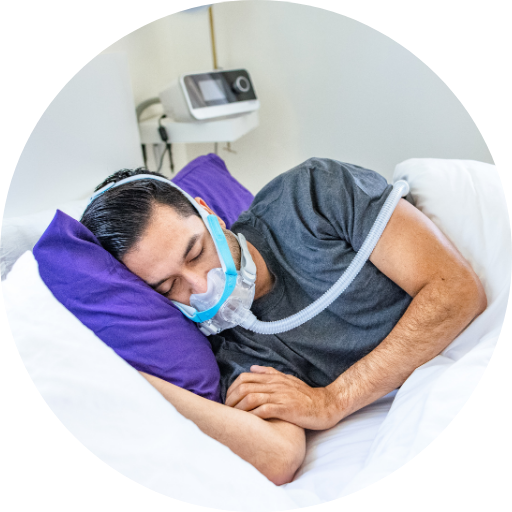
Need help finding the right CPAP mask style, fit, or size for you? Check out our helpful tools!
MaskFitAR
Take one simple, safe face scan, answer a few questions about your sleep habits, and you'll have the right mask with the perfect fit. Start today with MaskFitAR!

Find Your Mask Questionnaire
Just a few simple questions and you'll have your top mask recommendations instantly at your fingertips!
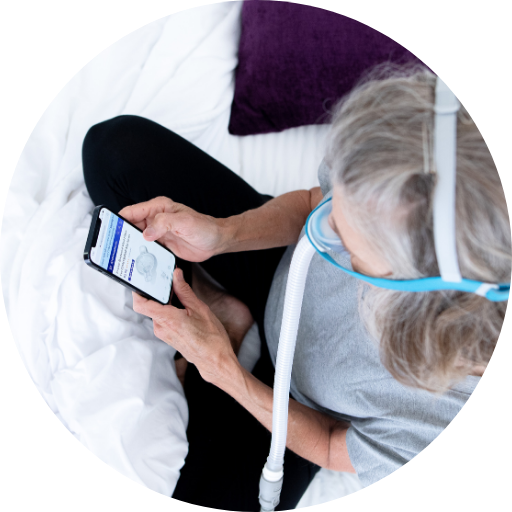
Looking for new replacement supplies for your current mask? Check out our Replacement Parts Finder!
Replacement Parts Finder Feature
Get all your mask replacement supplies in one convenient place!