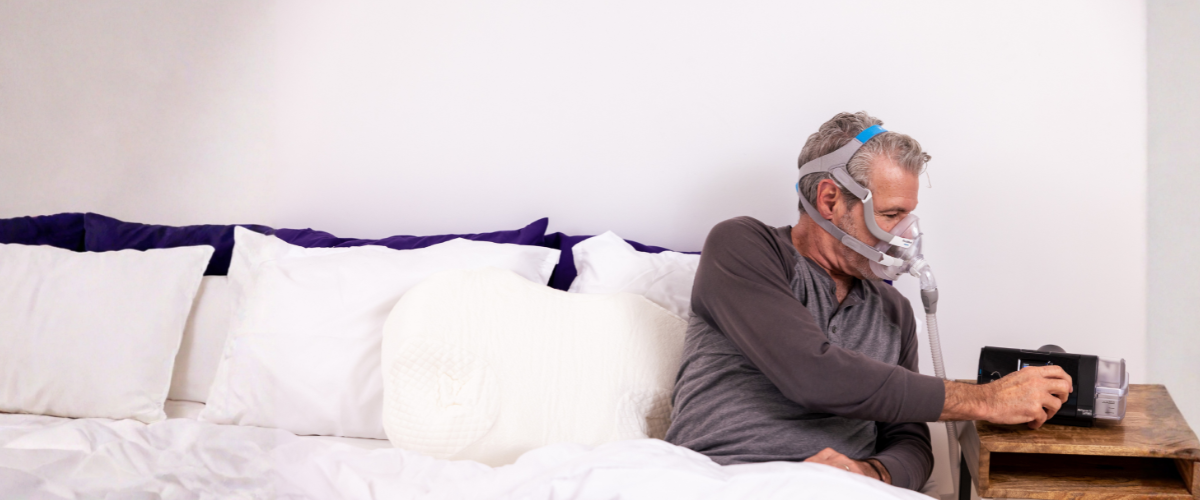
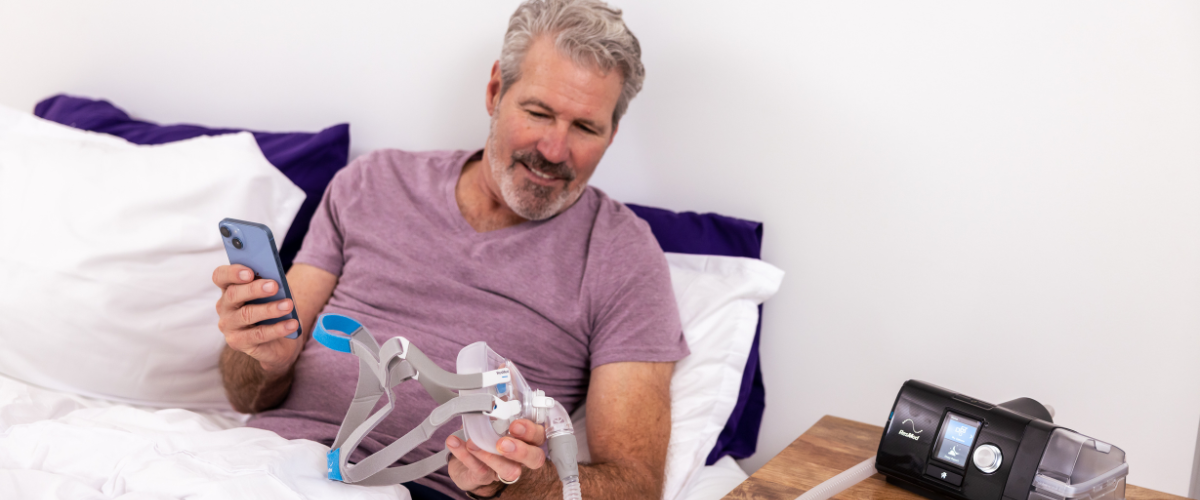
Understanding the Features and Settings of a CPAP Machine
Whether you’re just beginning CPAP (continuous positive airway pressure) therapy or you’re looking to achieve better sleep as an experienced CPAP machine user, knowing all of the features, benefits, and settings that your machine has to offer is a great place to start. Read more in this comprehensive guide to what a CPAP machine is, how it works, and how it can work for you.
For many users, choosing the best CPAP mask for their needs is one of the more challenging parts of treating their Sleep Apnea. But CPAP therapy for those with Central Sleep Apnea (CSA) and those with more severe cases of Obstructive Sleep Apnea (OSA), will typically include higher pressure settings. Higher air pressure creates more opportunities for mask leaks and makes it more difficult to achieve a secure seal.
For CPAP users with facial hair, finding a CPAP mask that seals properly while providing a comfortable fit, working with your sleep style, or overall ensuring you’re getting the best OSA (obstructive sleep apnea) treatment can be a challenge. After all, beards and facial hair can completely change how a mask fits and, sometimes, even how it functions. Facial hair, coupled with other vital decision-making points in selecting the best mask for you, can present a new element of consideration when creating your CPAP equipment setup. And that’s where we come in! With this blog, we’ll give you practical tips on finding the mask type for you, helpful information on when it might be time to try a different mask, plus product and brand recommendations that will help you achieve a great night’s rest without needing to shave.
With an estimated 6 million Americans currently using CPAP devices and CPAP therapy to treat their mild to severe sleep apnea and experience better sleep no matter where they go, the CPAP industry is now booming with new and innovative power solutions that have made sleep apnea treatment more accessible and much less daunting. Among the most ground-breaking items now available are power and portability options that allow CPAP users to keep their freedom and mobility.
Why Pressure Settings Are Required for APAP Machines
If you’re shopping for a machine to treat your central (CSA) or mild to severe obstructive sleep apnea (OSA), you may have noticed that your order can’t be completed without a prescription that includes pressure settings. Many customers wonder why this information is needed in order to purchase a machine, especially an “Auto” CPAP. So, why can’t an Auto-CPAP machine be purchased without your doctor writing in specific pressure settings on your prescription?
How To Save On Your CPAP Supplies With Your FSA/HSA
Wondering if you can use your FSA or HSA for CPAP supplies? The answer is yes! If you have funds that run out at the end of the year, this is the perfect time to upgrade your existing equipment. Start the new year off right with fresh, sparkling clean CPAP mask, tubing, humidifier chamber, parts, or a machine.
Continuous Positive Airway Pressure (CPAP) therapy is one of the most effective treatments for obstructive sleep apnea (OSA), a condition that causes repeated pauses in breathing during sleep. Beginning CPAP therapy can feel overwhelming at first, there’s new equipment to learn, routines to adjust, and expectations to manage. But with the right knowledge and mindset, CPAP treatment can transform your sleep and your overall health.
Within this blog, we explore the CPAP treatment entire journey, from getting started to long-term success so you know what to expect and how to make CPAP a comfortable, positive, and life-changing part of your routine. Starting therapy and thriving through it is possible, and we’re here to help with valuable CPAP tips.
The Ultimate ResMed AirMini User Guide: From Setup to Sleep
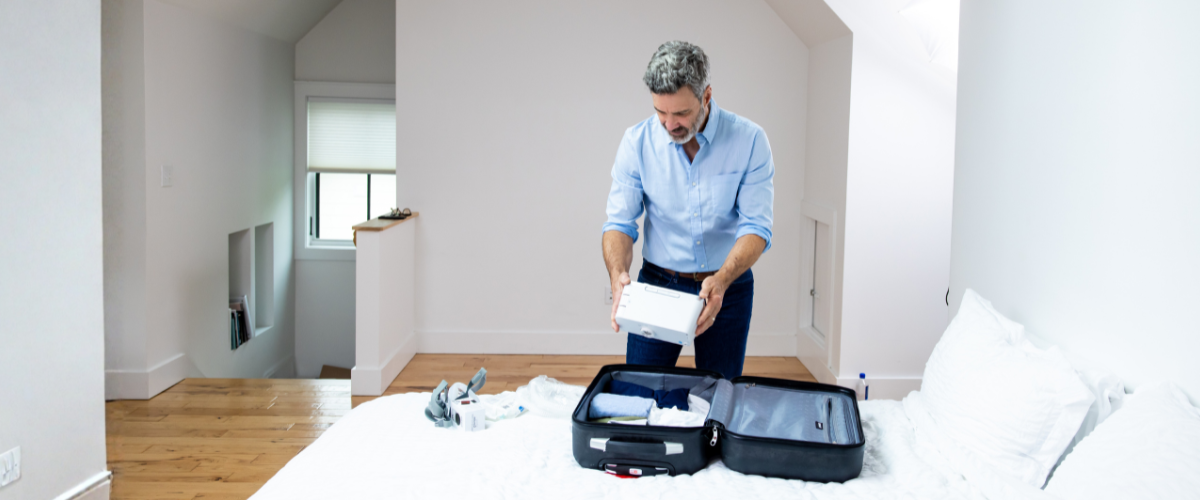
Not too long ago, traveling with sleep apnea meant sacrificing good sleep, proper OSA treatment, or packing extra luggage filled with bulky CPAP equipment. Now, 15 years after the first travel machine was introduced to the CPAP market, the ResMed AirMini AutoSet Travel CPAP Machine leads in portability, adaptability, and convenience. And while a travel CPAP device’s functionality is practically the same as those of a traditional home unit, travel machines have their own settings, supplies, and data management.
So, we’ve created the ultimate comprehensive AirMini user guide to help you navigate everything from purchase to part replacement.
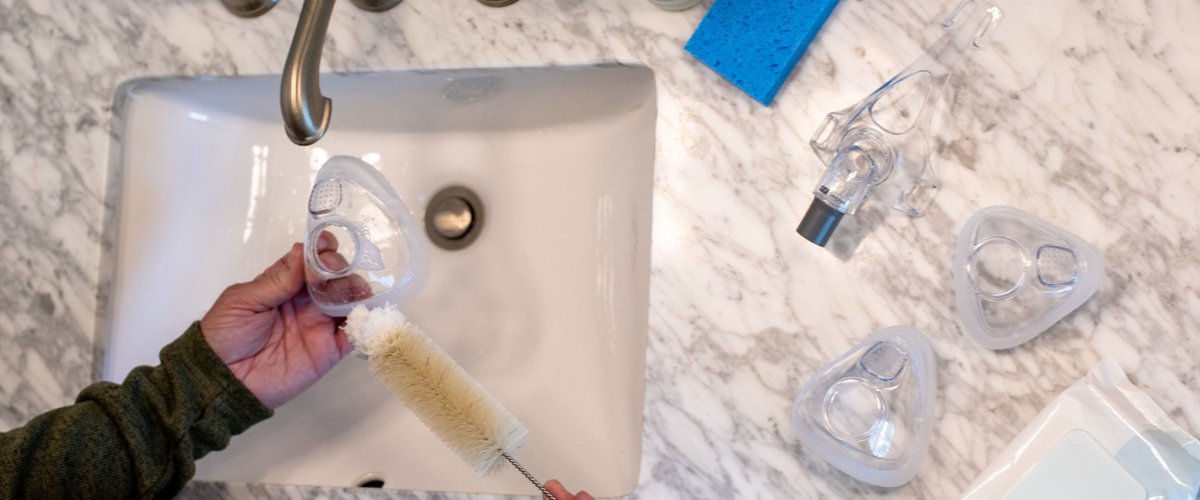
How to Clean Your CPAP Supplies & CPAP Machine (And Why It’s Important)
Once CPAP therapy becomes part of your nightly routine, it’s time to take on another important habit: regular cleaning of your CPAP device and CPAP supplies. A proper cleaning routine doesn’t just protect your health, it can also improve the performance and extend the life of your equipment. With so many methods and products available, this guide will walk you through the most simple and effective ways to clean your CPAP machine and CPAP equipment and how to keep your supplies clean when you travel. Plus, we’ll cover the health risks of skipping regular maintenance and cleaning.
The Different Types of CPAP Masks: Which One Is Right for You?
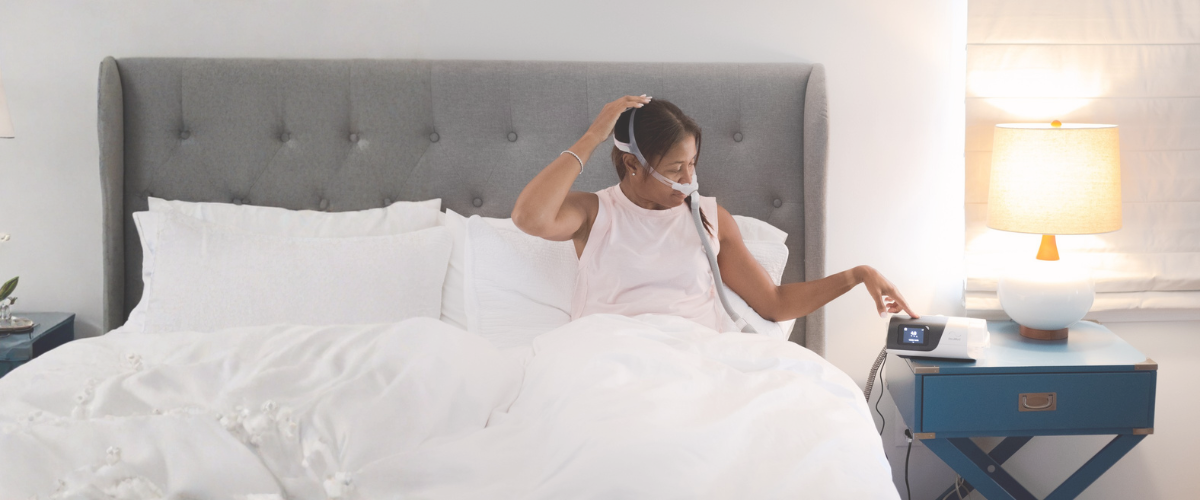
If you've been diagnosed with obstructive sleep apnea and are starting CPAP (Continuous Positive Airway Pressure) therapy, the most important decisions you'll make are choosing the right CPAP machine, proper CPAP supplies, and the right CPAP mask. The most popular mask options are full face CPAP masks, nasal CPAP masks, and nasal pillow CPAP masks. But, if the common masks don't work for you, luckily there are other options, each designed for different needs.
This helpful blog can help with understanding the differences between them and help you identify the best CPAP mask for you for a more restful sleep.