



Sleep Awareness Month: Why Sleep Matters For Your Health
- Mar 2, 2026
Sleep Awareness Month: Reminding Us About The Importance of Sleep Health
Every March, in an effort to benefit public health by increasing awareness of sleep’s effect on our overall well-being, various non-profits, health advocates, and the National Sleep Foundation (NSF) promote National Sleep Awareness Month, with Sleep Awareness Week being observed the week leading up to Daylight Saving Time. Throughout the month of March, health organizations share research, tips, and resources for better sleep and better understanding of sleep disorders in hopes of sparking broader conversations about the impact that good sleep health has on ourselves, our loved ones, and our communities.
How Does Sleep Affect My Overall Wellness?
Lack of sleep hygiene and consistent sleep deprivation have the potential to affect the function of nearly every major organ system, especially 5 listed below. Along with everyday issues such as irritability and excessive sleepiness, poor sleep habits can have a detrimental effect on our overall health due to the importance of sleep to our body’s major systems (neural, lymphatic, respiratory, etc.) If you have other underlying health issues, it’s even more important to be sure you’re getting enough hours of sleep each night and that you’re getting quality sleep, as well. Afterall, our well-being during waking hours feeds right back into our ability to achieve a good night’s sleep, night after night.
Cardiovascular Health
Healthy sleep habits are strongly linked to cardiovascular issues such as heart disease, heart attack, and high blood pressure, as repeated drops in oxygen during sleep lead to vascular inflammation and if left untreated, lack of quality sleep can drastically increase the chances of heart disease.
Neurological Health
Poor sleep habits are associated with a decline in cognitive function, issues with memory loss, and even higher risk of vascular dementia. Deep, quality sleep is absolutely critical for clearing the metabolic waste that improves neurological health and constant lack of sleep will impair that process.
Respiratory and Pulmonary Health
Sleep apnea can worsen lung disease and has been known to have drastically negative impacts on COPD, pulmonary hypertension, and asthma. Healthcare providers heavily emphasize the importance of a good night’s sleep for patients at high risk for respiratory disease.
Immune System
When we fail to get enough sleep, our bodies produce fewer protective immune cells such as t-cells which help to fight infections. Less antibodies are produced without adequate sleep which can weaken our immune system’s defenses. Healthy sleep habits help our bodies to rest, repair, and produce immune cells needed to promote overall health.
Metabolic/Endocrine System
Lack of sleep or low sleep quality can reduce insulin sensitivity and increase cortisol which increases fat storage. Both can have serious risks for patients with type 2 diabetes and make weight loss/management more challenging.
What Outside Factors Affect Sleep Health?
Stress and Mental Health
Mental health and sleep hygiene are very closely connected and strongly influence one another. Certain mental health issues can make it harder to fall asleep and stay asleep due to the “fight or flight” feeling that often accompanies chronic stress and anxiety. Anxiety disorders and depression also cause insomnia and have negative effects on ones circadian rhythm.
As with our physical health, focusing on mental health can support a consistent sleep schedule and wake time which positively impacts the body’s internal clock (circadian rhythm).
Medications
Some medications improve sleep, while others disrupt it. Medicines such as decongestants and steroids act as stimulants which interfere with our ability to fall asleep, stay asleep, and avoid daytime sleepiness. Sleep aides and medicines that cause drowsiness (antidepressants, opioids, antihistamines, etc.) can make falling asleep easier but typically reduce sleep quality, disrupt breathing, and worsen apneas.
Diet and Substances
A large part of sleep health is influenced by what we consume such as nicotine and caffeine (found in coffee, soda, and energy drinks) which directly affect your brain and sleep cycle which can make it hard to unwind to fall asleep. Alcohol may help you fall asleep faster but it also shortens REM sleep and worsens both snoring and apneas. Large meals that are heavy on fat content may hinder digestion and increase reflux and can keep you from getting enough sleep by causing frequent awakenings.
Obesity
There’s a two-way relationship that exists between obesity and sleep wellness. Poor sleep hygiene can negatively affect hormones that regulate hunger (leptin, ghrelin, etc.) and can increase appetite for high-calorie foods.
On the other hand, restful sleep can support metabolism and help the body store energy more efficiently which contributes to the motivation needed to remain physically active.
What Can I Do to Improve My Sleep Health?
In addition to sleep therapy options that are overseen by your physician, there are a number of things you can do on your own to improve your sleep hygiene. Most importantly, consistency and mindfulness are two of the most important skills to master when working towards healthy sleep.
Develop a routine
Our bodies and more specifically, our internal clock, thrive when we have a routine in place. A consistent bedtime routine eases anxiety around sleep, helps your body know when to wake up, and will improve the quality of the sleep you’re getting.
Create a Comfortable Sleep Environment
The quickest and easiest way to improve your sleep is to make sure your bedroom is cozy and ready for a good night’s sleep. Be sure your room is dark (blackout curtains are an excellent addition to your decor), keep the room cool, and take measures to ensure you have a quiet room, even if it means wearing earplugs.
Watch What You Ingest
While many of us love a light snack, aim to finish all medium to large size meals at least 2 to 3 hours before you go to bed because digestion can reduce deep and REM sleep. Laying down too soon after bedtime can increase your chances of reflux, bloating, or any other discomfort that might keep you from falling asleep.

Manage Stress
For many people, laying down in a comfortable bed to rest at the end of the day is fairly relaxing. However, the stresses you deal with during the day can still impact your sleep hours later. Do your best to remove unnecessary stress and avoid stressful situations.
Know When To Get Help
Assuming that part of your sleep and sleep schedule isn’t a big deal simply because it’s always been the same can be dangerous. If you change your routine and your diet but you’re still dealing with the symptoms we’ve reviewed, see a doctor. Sleep apnea, if left untreated, can be dangerous and for some, sleep therapy can be life-changing.
What is Sleep Apnea & How Does It Relate to Sleep Health?
Sleep apnea is a common sleep disorder in which breathing completely stops (apneas) or significantly decreases in airflow (hypopneas) for anywhere from a few seconds to a full minute at a time. These pauses in breathing can happen dozens to hundreds of times per night. Each time breathing is stopped, the brain briefly wakes in order to restart it which results in poor sleep and/or sleep deprivation. It’s estimated that approximately 30 million Americans are currently living with sleep apnea, though only a small fraction of that number have received a formal diagnosis. A startling amount of sleep apnea cases go undiagnosed due to lack of education and support, so reminders like Sleep Awareness Month are a welcomed way to focus on sleep apnea’s impact on sleep health, physical health, and overall wellness.
Types of Sleep Apnea
Obstructive Sleep Apnea (OSA)
The most common type of sleep apnea, Obstructive Sleep Apnea, is a sleep disorder in which a person's airway is either partially or completely blocked off during sleep. These obstructions are typically caused by the over-relaxation of muscles in the back of the throat but can also be caused by other physical conditions such as obesity, large tonsils/adenoids, and even chronic nasal congestion.
Central Sleep Apnea (CSA)
Individuals diagnosed with Central Sleep Apnea experience pauses in breathing (apneas) due to their brain’s failure to properly signal the muscles that control breathing. Unlike Obstructive Sleep Apnea, breathing pauses aren’t due to airway blockages. Instead, Central Sleep Apnea patients experience a failure in communication between the brain and the body’s respiratory muscles.
Complex Sleep Apnea
Complex Sleep Apnea, also referred to as treatment-emergent sleep apnea, occurs when individuals experience features of both Obstructive Sleep Apnea and Central Sleep Apnea. In most cases, a diagnosis of Complex Sleep Apnea will follow the unsuccessful treatment of Central Sleep Apnea when it’s discovered that events (apneas and/or hypopneas) are still occurring which typically indicates that along with a neurological issue, there is also an obstruction or collapse of an airway present.
Symptoms of Sleep Apnea
All too often, sleep apnea goes undiagnosed and untreated because its symptoms very closely resemble that of everyday health issues such as head colds or excessive stress. This year, celebrate Sleep Awareness Month by taking a step towards better sleep quality and learning to identify which of your symptoms are signs of sleep apnea. If you or your bed partner have noticed any of the following symptoms, give your healthcare provider a quick call to set up an appointment or take advantage of a Home Sleep Test.
Daytime Symptoms
• Consistent, chronic snoring
• Pauses in breathing
• Difficulty concentrating
• Memory loss
• Excessive daytime sleepiness
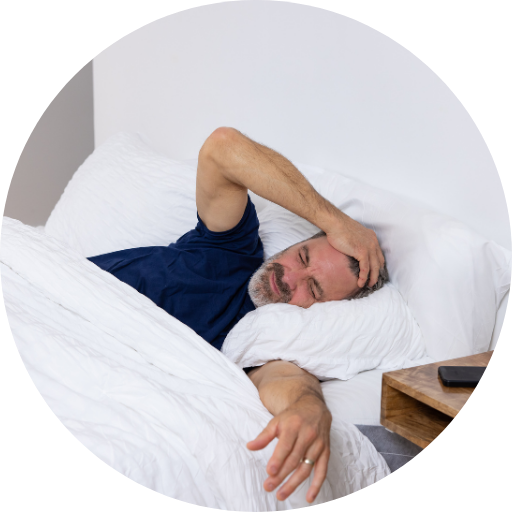
• Morning headaches
• Irritability or mood swings
Nighttime Symptoms
• Waking up gasping or choking
• Trouble falling asleep
• Restless tossing and turning
• Dry mouth
• Night sweats
• Vivid dreams/fragmented sleep
• Frequent awakenings
Symptoms in Children (often different from adults)
• Loud snoring
• Loud breathing
• Night terrors
• Bedwetting
• Restless sleep
• Unusual sleep positions
How is Sleep Apnea Treated?
Healthcare providers consider multiple factors such as sleep study results and medical history when choosing the best treatment options for sleep disorders. Sleep medicine currently includes a broad range of treatment options including CPAP machines, oral appliances, and alternative therapy devices.
CPAP/BiPAP Machines
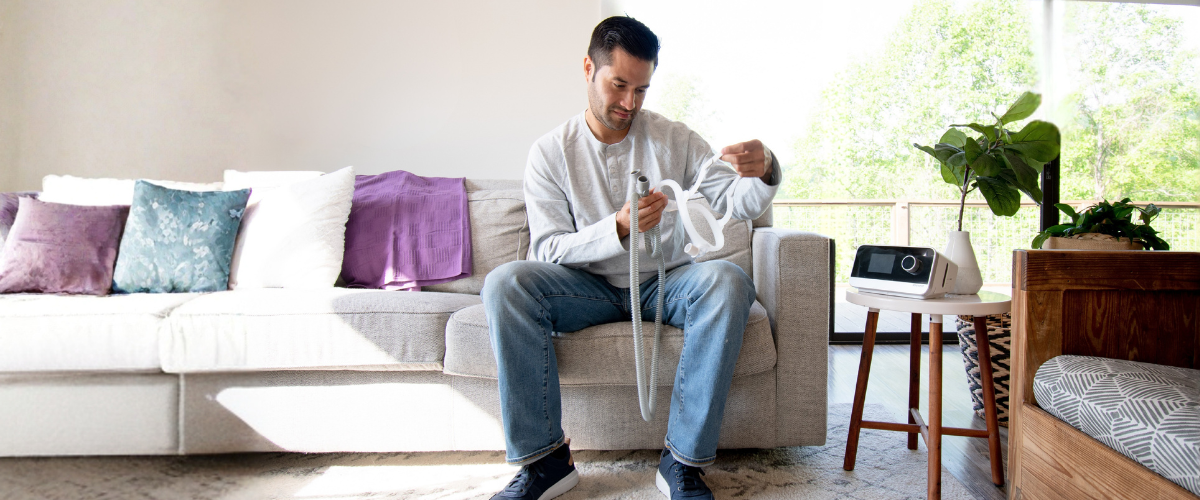
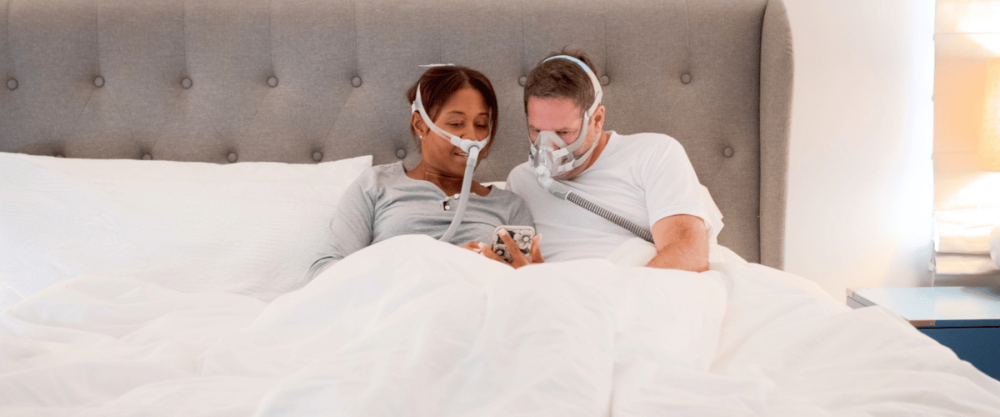
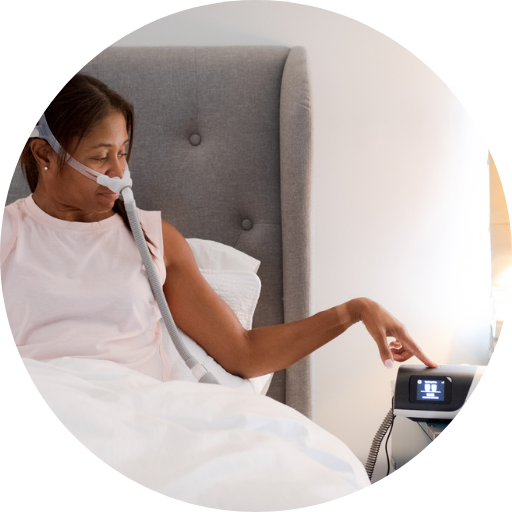
A Continuous Positive Airway Pressure (CPAP) Device treats sleep apnea by delivering constant, pressurized air that prevents the airway from collapsing during sleep. CPAP machines are also made in APAP (Auto-titrating Positive Airway Pressure) and BiPAP (Bi-level Positive Airway Pressure) models and the type of machine that your healthcare provider prescribes will depend on your individual diagnosis, needs, and medical history.
Alternative Therapy Devices
As an alternative to the standard device and machine treatments, alternative therapy devices such as the iNap and the eXciteOSA offer sleep apnea patients another route for treating sleep apnea. These devices work in a variety of ways depending on the model you choose but will treat apneas/hypopnes through techniques such as vibration or negative airway pressure.
Oral Appliances
For sleep disorder patients who prefer a non-appliance approach to treatment, custom-made oral appliances such as mandibular advancement devices (MAD) fit over the teeth and work by repositioning the jaw and the tongue to help keep the airway open. These types of appliances, depending on the individual user, may also reduce or eliminate snoring.
What this means for your overall health & sleep health
This month, National Sleep Awareness month, health organizations such as the National Sleep Foundation and the American Academy of Sleep Medicine promote sleep education and focus on outreach in hopes of improving public health.
Each March, dozens of articles are published, webinars are hosted, and additional resources are made available for those who are looking to take the first step towards improving their lives.