


CPAP Alternatives for Sleep Apnea Treatment
- Mar 19, 2026
What Are Alternative Sleep Apnea Therapy Options?
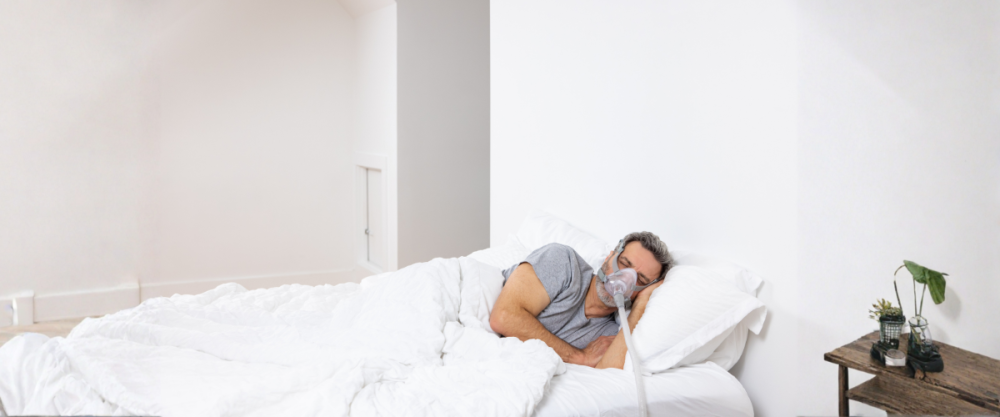
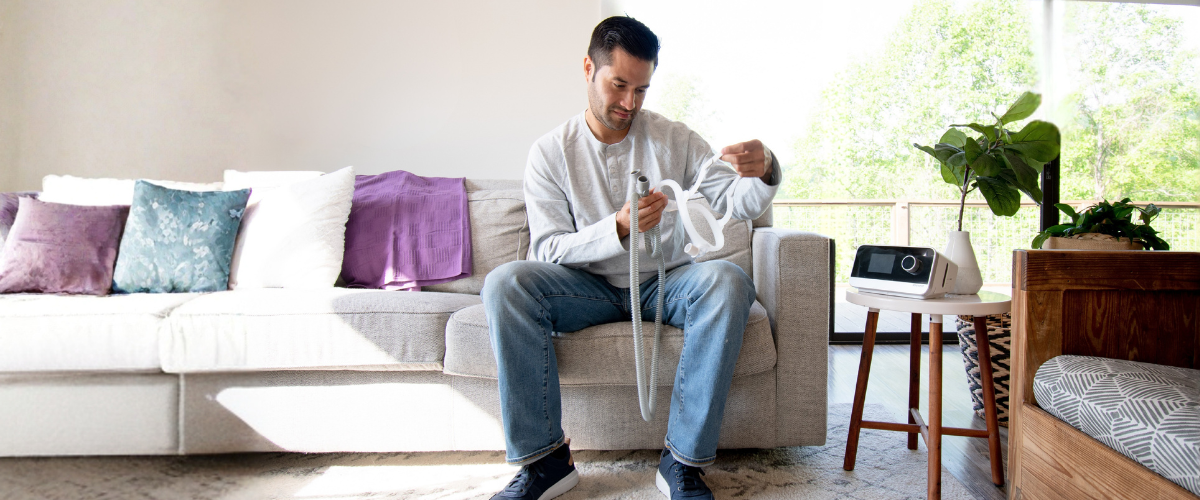
Continuous Positive Airway Pressure (CPAP) and Bi-level Positive Airway Pressure (BiPAP) machines are the most widely recognized method of sleep apnea treatment but luckily, for those who struggle to acclimate to CPAP therapy, CPAP machines aren’t the only available treatment option. For those who just can’t seem to make it work with their CPAP machine, alternative therapy devices and surgical options may be an effective way to treat and manage sleep apnea symptoms.
What is Sleep Apnea?
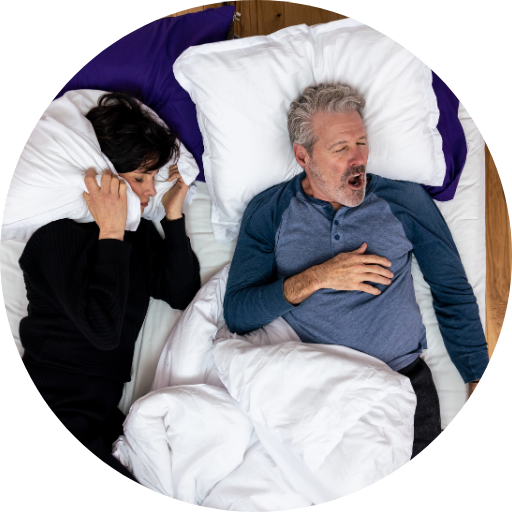
Let's start with the main need-to-know behind treatment options...what is sleep apnea? Sleep apnea is a common sleep disorder in which a person’s breathing repeatedly stops and starts during sleep. Each pause can last anywhere from 5 seconds to more than a minute long and these instances can occur dozens or even hundreds of times per night. The Apnea-Hypopnea Index (AHI) is used to track and manage these events and is the standard unit of measurement used by physicians to classify the severity of each diagnosis.
The airway obstruction and interrupted breathing patterns that sleep apnea patients experience can lead to symptoms that include daytime sleepiness, cognitive impairment, and decreased quality of life. Without proper therapy to keep the airway open, sleep apnea can negatively impact other health conditions such as mental health, obesity, high blood pressure, heart disease, and diabetes. A healthcare provider will categorize each case as mild sleep apnea, moderate sleep apnea, or severe sleep apnea, with each patient being diagnosed with one of the types of sleep apnea.
Obstructive Sleep Apnea (OSA)
Obstructive Sleep Apnea (OSA) is caused by the downward drop of the soft palate (a flexible, muscular part of the roof of the mouth) or soft tissue that relaxes and enlarges, blocking the airway and preventing sufficient airflow.
Central Sleep Apnea (CSA)
Central Sleep Apnea (CSA) occurs when the brain fails to send the proper signals that support the respiratory system. Unlike obstructive sleep apnea, CSA occurs not because of physical blockages but due to a lack of respiratory effort.
Complex Sleep Apnea (CompSA)
Also referred to as “treatment-emergent sleep apnea”, Complex Sleep Apnea is a form of sleep apnea that combines features of both obstructive and central sleep apnea. This typically happens when a patient begins obstructive sleep apnea treatment and then later develops central apneas.
How Does a CPAP Machine Treat Sleep Apnea?
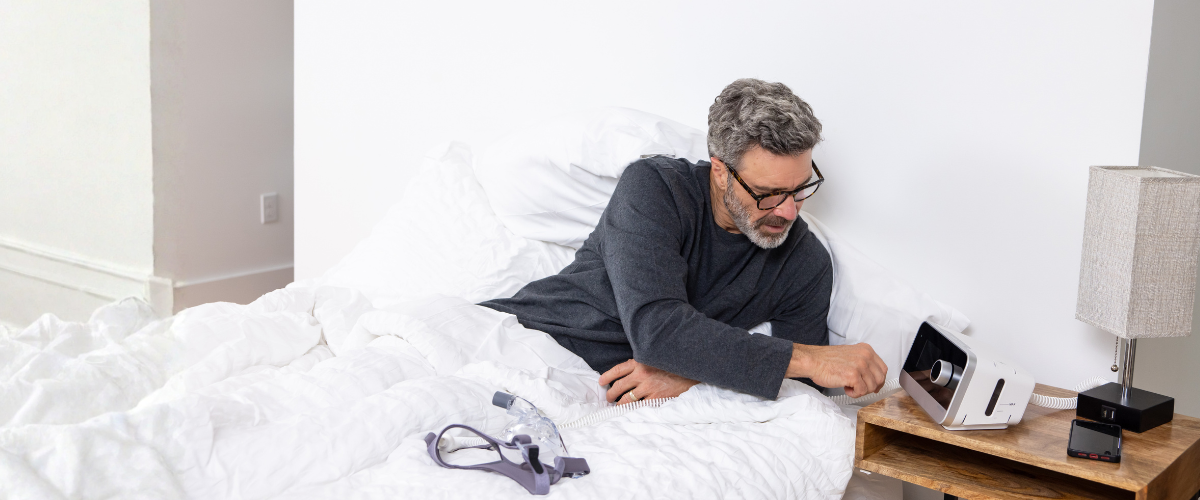
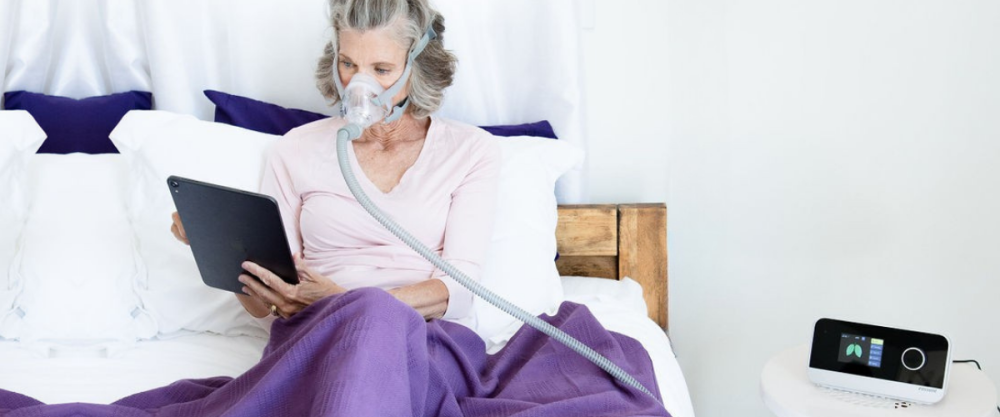
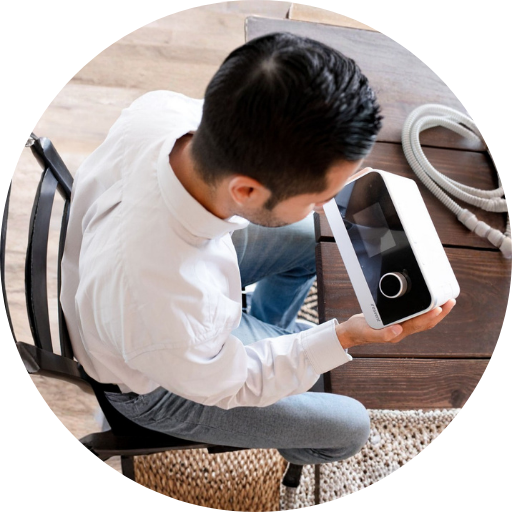
CPAP therapy using a Continuous Positive Airway Pressure (CPAP) or an Auto-adjusting Continuous Positive Airway Pressure (APAP) machine that works by delivering consistent, pressurized air through a CPAP machine that forces the airway open during sleep.
Bi-Level Continuous Positive Airway Pressure (BiPAP)(or Bilevel Positive Airway Pressure) machines also deliver pressurized air.
However, instead of offering only inspiratory pressure like CPAP and APAP devices, a BiPAP machine produces both inspiratory and expiratory pressures to reduce the amount of work required to breathe and allows for more comfortable exhalation.
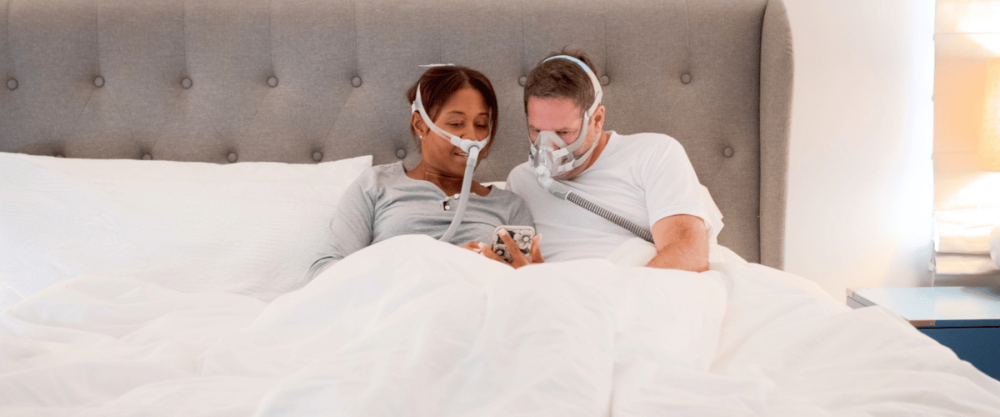
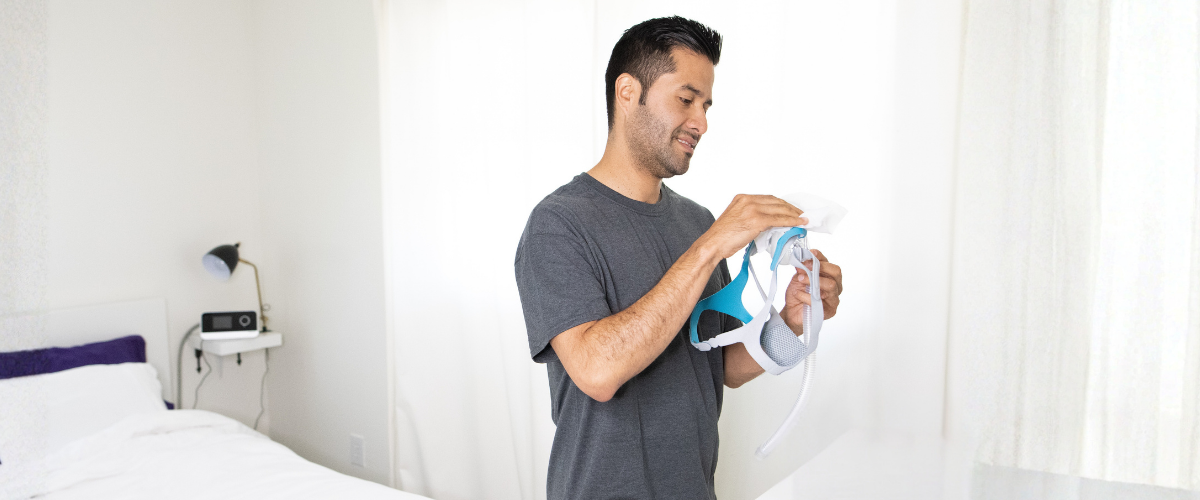
All 3 machine types feature the same parts/components (water chamber, tubing, filter, and CPAP mask) and the same consistent use is required for positive treatment results regardless of what type of machine is used.
Who Would Benefit From Alternative Therapy?
While CPAP alternatives and surgical options aren’t suitable for everyone, the need for a diverse array of therapy options is growing alongside the increasing number of sleep apnea diagnoses. With more options available than ever before, more and more of the previously untreated are finally able to improve their sleep quality.
So, what makes a good candidate for CPAP alternative therapy?
1. CPAP Intolerance
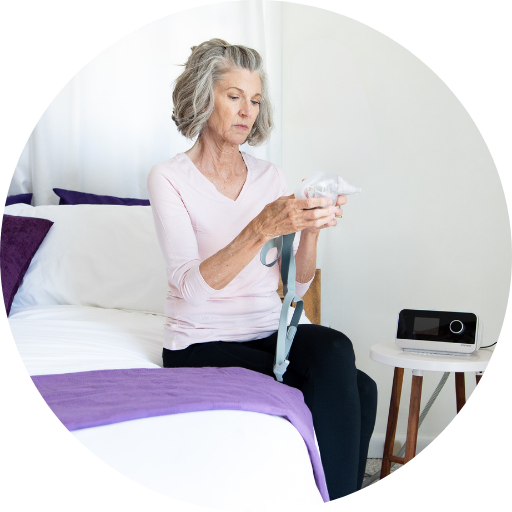
According to the National Institute of Health (NIH), approximately 25% of individuals diagnosed with a sleep disorder will never fill their prescription or begin therapy with as many as 31% of sleep apnea patients abandoning treatment within the first year. When asked, most users report that they’re unable to tolerate treatment for reasons such as the strength of the airflow, claustrophobia, or inability to sleep while wearing a CPAP mask.
2. Lifestyle and Circumstance
For many, standard treatment with a CPAP machine and its accompanying supplies isn’t always an option due to their living circumstances, employment, or lifestyle. Afterall, for someone who travels often or is without a consistent sleep schedule and environment, it can be more difficult to achieve effective treatment.
3. Health and Physical Reasons
It’s not uncommon for treatment to be abandoned by CPAP users when other matters such as facial deformities, chronic congestion, or even facial hair begin to interfere with the success of their therapy. Some sleep apnea patients find that their skin is too sensitive to wear a mask that requires a tight seal for a minimum of 4 to 5 hours each night and many users report issues with skin allergies to CPAP masks, as most masks are made with a silicone rubber cushion.
4. Preference for Less Obtrusive Options
CPAP alternatives such as oral appliance therapy and surgical treatments are beneficial for sleep apnea patients who find the size, sound, and routine of CPAP therapy to be a stress of hindrance on their everyday lives. Oftentimes, the convenience of a small, easy-to-carry device (or even no device at all following a surgical procedure) is an attractive alternative.
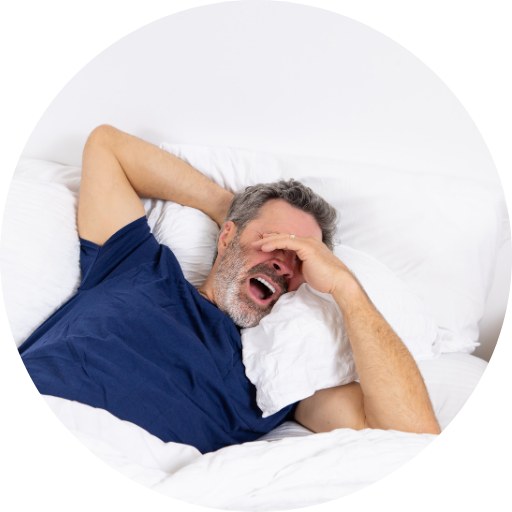
5. Mild or Moderate Diagnosis
Even if you meet or relate to candidate requirements 1-4, that doesn’t necessarily mean that you’re an eligible candidate. An important thing to keep in mind is that in most cases, candidates need to have a mild enough case of obstructive sleep apnea (OSA) to be managed by alternative therapy.
For this reason, severe sleep apnea patients are not typically able to take advantage of CPAP alternative treatments and those with moderate sleep apnea will need to have an in-depth conversation with their healthcare provider about what options are available to them.
What Are the Alternatives to CPAP Therapy?
Fortunately, there are several alternatives to CPAP therapy that improve sleep quality and reduce sleep apnea symptoms. With many options tailored to a new generation of sleep apnea patients, sleep medicine and recent advancements in technology are helping more people to receive effective treatment.
Alternative Therapy Devices
For those who are not candidates for surgical intervention or simply do not mind the use of medical equipment, there are alternative therapy devices which have grown in popularity in recent years for their ease of use.
Sleep apnea patients interested in this form of therapy will have no shortage of options to choose from and we’ve listed the most common and effective options below.
Expiratory Positive Airway Pressure (EPAP)
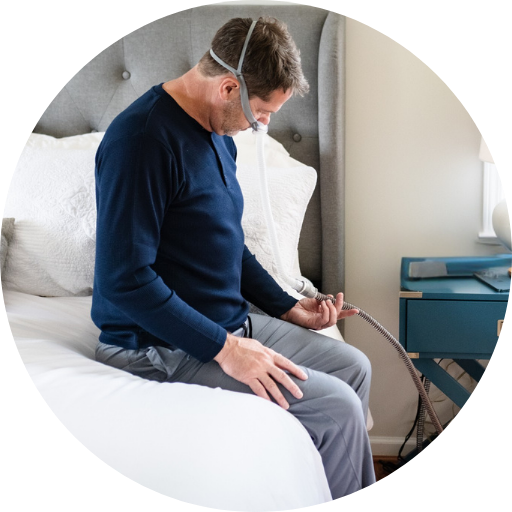
Expiratory Positive Airway Pressure (EPAP) devices like the BongosRx by AirAvant use a distinctive exhalation system to keep airways open during sleep. Perhaps the most simple, travel-friendly, and easy-to-use alternative treatment, these types of devices are typically standalone items that do not require the use of electricity. Instead, only the user’s own exhalated air is used to power this device.

Intermittent Negative Airway Pressure (INAP)
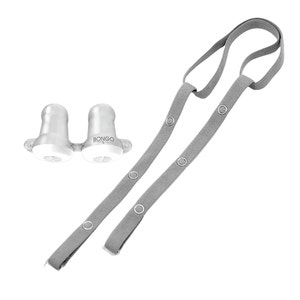
Using negative air pressure and a compact mouthpiece that eliminates the need for a CPAP mask, intermittent negative airway pressure devices such as the iNap by Somnetics are non-invasive devices that keep soft tissues from obstructing airflow by keeping the airway open.
Neuromuscular Electrical Stimulation (NMES)
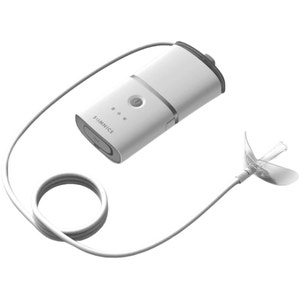
Neuromuscular Electrical Stimulation (NMES) devices such as the eXciteOSA improve the way that the tongue and upper airway muscles function which leads to better muscle endurance and the prevention of airway collapse. Not only does this CPAP alternative eliminate the need for machines and masks, it can also be used while the user is awake.
Positional Therapy
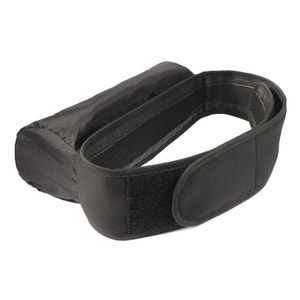
Many find that their mild sleep apnea is nearly nonexistent unless they’re laying flat on their back (supine position) which is when it’s most likely that the tongue and soft palate will fall backward and cause blockages in the airway. For these individuals, positional therapy is a simple, non-invasive option and one that can often prevent the patient from graduating to a CPAP machine, BiPAP machine, or other more invasive options by encouraging side-sleeping. Products such as the CPAPology Sleep Noodle Positional Sleep Aid comfortably deliver positional therapy.
Oral Appliance Therapy
Oral Appliance Therapy (OAT) is a common approach to treatment for obstructive sleep apnea (OSA) that uses a custom-fitted dental device worn in the mouth to hold the airway open. These devices work by moving the lower jaw slightly forward and keeping the tongue from falling backward, effectively preventing airway collapse.a
Surgical Options as Alternatives to CPAP Therapy
For some, surgical treatments are an extreme approach to the treatment of a sleep disorder but for others, it’s an ideal solution that frees them from the tubes and cords that accompany sleep therapy with a machine.
Individuals with decent overall health may find any one of the following procedures to be just what the doctor ordered.

Uvulopalatopharyngoplasty (UPPP)
An Uvulopalatopharyngoplasty (UPPP) is surgical treatment for obstructive sleep apnea, performed under general anesthesia, in which a surgeon removes or reshapes the upper airway’s soft tissues that are located in the throat and block the airway.
Maxillomandibular Advancement (MMA)
Maxillomandibular Advancement is the primary surgical procedure for severe obstructive sleep apnea. This is a major surgery performed under general anesthesia and typically requires multiple days of recovery in a hospital. In this procedure, a surgeon cuts both the upper jaw (maxilla) and lower jaw (mandible) and moves them forward.
Hypoglossal Nerve Stimulation (HGNS)
This procedure, performed by an ENT or sleep medicine surgeon under general anesthesia, is performed by placing a small implant under the skin. This implant works by stimulating the hypoglossal nerve which controls tongue movement and aides in breathing by preventing blockage of the airway. Hypoglossal Nerve Stimulation is best for those with moderate sleep apnea.
Nose and Throat Procedures
For those with extremely mild obstructive sleep apnea (OSA) or those who are simply looking to lessen their CPAP pressure needs, there are more routine upper airway surgical procedures such as septoplasty and adenoidectomy which can be performed to improve airflow.
Lifestyle Modifications
While it isn’t typically an effective alternative for those with central sleep apnea (CSA) or moderate to severe sleep apnea, lifestyle changes can have a drastic impact on the lives of those dealing with a sleep disorder.
Concentrating on weight loss to avoid obesity, exercise for cardiovascular support, and a healthy diet can not only lessen sleep apnea severity for some but also contribute to overall health.
Limiting use of tobacco products and alcohol, avoiding phone/computer screens within the hour before falling asleep, and establishing a consistent bedtime routine can also promote better sleep quality.
How Do You Know Which CPAP Alternative is Best for You?
Just as there’s no one simple answer for most things healthcare-related, there’s really no one obvious course of action for beginning treatment with a CPAP alternative.
Each comes with its own benefits but also side effects or risk factors. We recommend researching each of these treatments we’ve reviewed, making a list of the options that you find most appealing, and speaking with your healthcare provider about which would be the most beneficial for your individual case of sleep apnea.
Luckily, as you now know, there’s more than one way to achieve a great night’s sleep in the pursuit of a high quality of life.