




Do They Make Extra Large CPAP Masks?
Extra Large CPAP Mask, Headgear, and Cushion Sizes
Face masks made for Continuous Positive Airway Pressure therapy (or CPAP therapy) designed to treat various types of sleep disorders (such as Obstructive Sleep Apnea, Central Sleep Apnea, etc.) do not always include size options that do not extend beyond what the standard mask sizes provide in terms of facial coverage. This can prove to be difficult for CPAP users with dynamic facial contours and features or that simply find typical mask sizes to be too tight and uncomfortable — even after exhausting all the recommendations from their healthcare provider and trying different CPAP mask types.
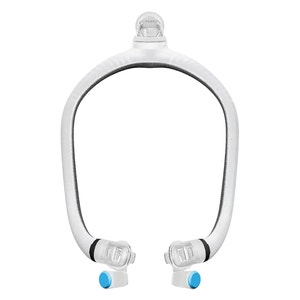
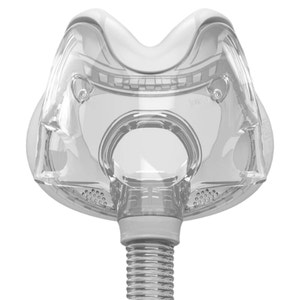
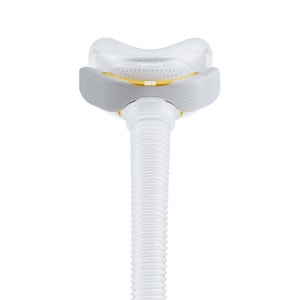
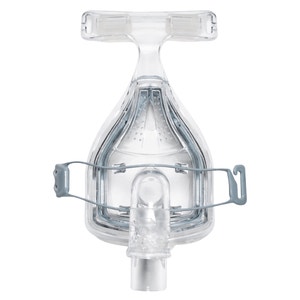
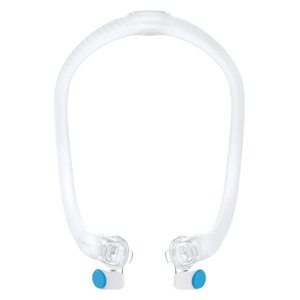
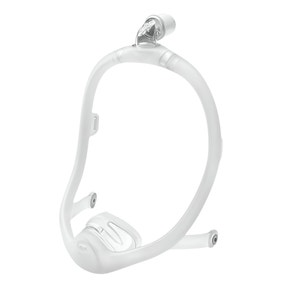
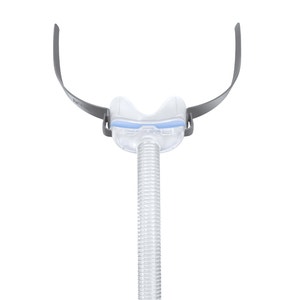
This section has been designed to provide a quick reference point to our CPAP Mask selection of full face masks, nasal masks, and nasal pillows masks that include extra large sizes. This includes sizes options such as Extra Large headgear, Large Wide Cushions, and more.
Who Are CPAP Masks Ideal For?
What are the different options for CPAP masks?
Effective sleep apnea treatment starts with finding the right CPAP mask. Finding the right CPAP mask starts with choosing the right type of mask. Most CPAP users find a comfortable fit with one of these three main mask styles:
-
Full Face CPAP Mask
-
Nasal CPAP Mask
-
Nasal Pillow CPAP Mask
Which CPAP Mask Type is Right for You?
Here's a helpful guide to finding which type of CPAP mask fits your specific sleep dynamics:
Nasal Masks
Sleeping Style:
-
Back Sleepers
-
Side Sleepers
-
Active Sleepers
Breathing Style:
-
Nasal Breathers
- Mouth Breathers (when paired with a CPAP mask chinstrap)
Additional Considerations:
-
High Pressure Settings
-
Glasses Wearers
-
Claustrophobia
-
Facial Hair
-
Full Field of View for Reading or Watching TV Before Bed
-
Tossing and Turning During Sleep
Nasal Pillow Masks:
Sleeping Style:
-
Back Sleepers
-
Side Sleepers
-
Active Sleepers
-
Stomach Sleepers
Breathing Style:
-
Nasal Breathers
- Mouth Breathers (when paired with a CPAP mask chinstrap)
Additional Considerations:
-
Low to Mid Pressure Settings
-
Minimal Contact
-
Glasses Wearers
-
Claustrophobia
-
Facial Hair
-
Full Field of Vision for Readers or TV Watchers
- Tossing and Turning During Sleep
Full Face Masks:
Sleeping Style:
-
Back Sleepers
-
Side Sleepers
Breathing Style:
- Mouth Breathers
Additional Considerations:
-
High Pressure Settings
-
Chronic Allergies or Nasal Congestion
-
How Do I Find the Right CPAP Mask Fit?
Making sure you find the optimal, comfortable mask fit for your CPAP therapy plays a significant role in the effectiveness, safety, compliance, and overall experience of your sleep apnea treatment. Establishing a secure seal prevents pressurized air from leaking between your face and mask cushion, promoting steady airflow to your upper airway. This helps to reduce side effects caused by a poorly fit CPAP mask, such as skin irritation and abrasion, dry eyes, nasal congestion, discomfort, and reduced effectiveness of sleep therapy.
Find more information check out our helpful blog on 'The Importance of Properly Fitting Your CPAP Mask' or our CPAP Mask Fit Guide.
How Do I Find the Right CPAP Mask Size?
How To Pick the Right Size CPAP Mask
-
Mask Cushion & Nasal Pillow Sizing Guides: Use our helpful Mask Sizing Guide Directory to view, download, and print out any available mask cushion/nasal pillow sizing guide PDFs we have listed. These guides include instructions, tips, and diagrams for finding the perfect mask cushion/nasal pillow size for you.
-
Fit Packs & Starter Kits: Many of the CPAP masks we carry are made available in fit packs or starter kits that include multiple mask cushion sizes within the setup pack, allowing you the opportunity to try on each cushion size to determine the most comfortable and secure fit for your needs.
-
Find Your CPAP Mask
Take advantage of our Find Your Mask feature and get a specialized recommendation from our wide selection of options for the best available CPAP mask customized to meet your needs.
What Are CPAP Masks Made Of?
Common Mask Frame Materials
-
Polypropylene: Rigid, lightweight plastic material used for its nontoxic, breathable, water-resistant, structurally-sound traits.
-
Polycarbonate: Able to withstand continuous air pressure this nontoxic, lightweight plastic that typically blends silicone, nylon, polyester elastomers, and other materials.
-
Silicone Elastomer: Frequently used in mask cushions for its soft, flexible qualities, this hypoallergenic material makes for a comfortable, adaptive mask frame that mitigates skin irritation and mask discomfort.
-
Polyester: Typically used in masks with fabric frames or wraps, Polyester is a soft, fabric-based material that provides extra comfort and breathability for CPAP users with sensitive skin.
-
Nylon: Masks like the F&P Solo use a durable nylon mask frame for a blend of high-quality structural stability and flexibility that can maintain its shape and secure seal.
-
Silicone: Soft for skin comfort and flexible for responsiveness to sleep position adjustments -- silicone is widely used in many of the most popular CPAP masks.
Common Headgear Materials
- Headgear: Nylon, Polyester, Spandex/Elastane/Lycra, Foam (Polyurethane), Velcro, Acetal, Polyether Block Amide, Silicone
- Foam Layer: Open cell Polyurethane
- Foam: Polyurethane Foam
- Loop Material: Nylon/Spandex
- Underside Fabric: Nylon/Spandex
- Fastener Tabs: Polycaprolactam (Polyamide Family)
- Fabric: Nylon/Lycra
- Headgear Straps: Fabric: Nylon/Spandex
- Strap Loops: Silicone Elastomer
- Backstraps: Foam Layer: Open cell Polyurethane
- Elastomer Layer: Open cell Polyurethane
- Buckles: Thermoplastic Polyester Elastomer
Common Full Face Cushion, Nasal Cushion, & Nasal Pillow Materials
-
Silicone: Soft and flexible, silicone mask cushions/pillows are highly responsive to sleep position changes throughout the night.
-
Memory Foam: Memory foam offers the softest available cushion/pillow option and effortlessly conforms to your face. However, memory foam cushions/pillows typically have to be replaced more frequently than other materials.
-
Gel: Providing a more firm cushion option, gel cushions/pillows maintain their shape while adapting to your unique facial shape and contours, making them ideal for higher pressure settings.
-
Polycarbonate: Generally used in CPAP cushions as a rigid support frame, and known for being a durable, lightweight, and nontoxic material.
Common Materials for Other CPAP Mask Parts
-
Headgear Clips: Polyester, Polycarbonate, Polypropylene, Nylon
-
Elbows & Swivels: Polypropylene, Polycarbonate, Nylon, Thermoplastic Elastomer
-
Short Tube: Thermoplastic Polyester Elastomer, Polycarbonate/Polypropylene, Polyolefin Plastomer
-
Diffusers: Polycarbonate, Polyethylene Terephthalate
-
How Do I Clean My CPAP Mask?
Regularly cleaning your CPAP mask parts and components is crucial for avoiding the accumulation of bacteria, debris, oils, and other contaminants. This will help prevent the buildup of germs that may cause skin irritation and other unwanted side effects.
Before following the instructions below, first make sure your CPAP machine is unplugged from the power source, disconnect your mask and air tubing from your CPAP machine, and disassemble your mask components into 3 parts (mask cushions/pillows, headgear, and frame):
Part Cleaning Frequency Instructions Full Face Cushions,
Nasal Cushions, & Nasal Pillows
Daily
- Using a mild detergent* and warm, drinking-quality water, gently clean your cushions/nasal pillows to remove any dirt, debris, and oils. Vinegar solutions (3:1, water:vinegar mix) can be used by soaking for 30 minutes to kill accumulated bacteria.
- Rinse thoroughly.
- Allow to air dry, avoiding direct sunlight.
Mask Frame
Weekly
- Using a mild detergent* and warm, drinking-quality water, gently clean your mask frame to remove any dirt, debris, and oils. Vinegar solutions (3:1, water:vinegar mix) can be used by soaking for 30 minutes to kill accumulated bacteria.
- Rinse thoroughly.
- Allow to air dry, avoiding direct sunlight.
Headgear
Weekly
- Using a mild detergent* and warm, drinking-quality water, gently clean your mask headgear to remove any dirt, debris, and oils. Do not use a vinegar solution.
- Rinse thoroughly.
- Hang dry, avoiding direct sunlight.
Chinstrap
Weekly
- Using a mild detergent* and warm, drinking-quality water, gently clean your mask chinstrap to remove any dirt, debris, and oils. Do not use a vinegar solution.
- Rinse thoroughly.
- Hang dry, avoiding direct sunlight.
*Avoid using strong detergents or soaps, especially those that contain harsh chemicals, perfumes, dyes, moisturizers, or alcohol.
How Often Do I Replace My CPAP Mask?
To keep your CPAP therapy both effective and hygienic you should replace the individual parts of your mask according to the recommended schedule. This will help ensure that your CPAP mask is clean and free from air leakage, and always maintains the perfect fit.
-
Nasal Pillows — Every 2 weeks
-
Nasal Mask Cushions — Every 2 weeks
-
Full Face Mask Cushions — Every 4 weeks
-
Mask Frame — Every 3 months
-
Headgear — Every 6 months
-
Chinstraps — Every 6 months

-
Do CPAP Masks Require Prescriptions?
Many of your favorite CPAP masks are available prescription-free thanks to our convenient non-RX CPAP mask kits! However, a fully assembled CPAP mask with headgear (including Fit Packs and Starter Packs) or any masks purchased through insurance do require a current prescription from a licensed healthcare provider (such as your Sleep Specialist).
If you need help obtaining or updating your prescription, we can help! Simply email us at info@cpapsupplies.com with your request.
30-Day CPAP Mask Guarantee
Choose your next mask with confidence with our 30-day guarantee on new CPAP masks. If you’re not fully satisfied with your purchase, you’ll get the full amount towards a new mask – at no extra cost!
Learn more about our 30-Day Mask Guarantee.