





-
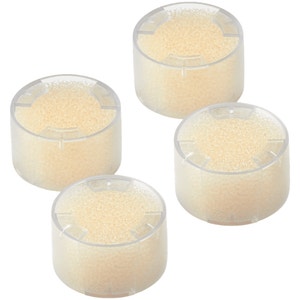
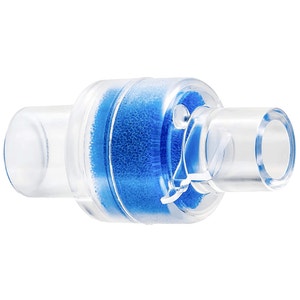
 Breas Universal Inline Heat Moisture Exchange CPAP Humidifier FilterSpecial Price $4.95 Regular Price $5.95
 -
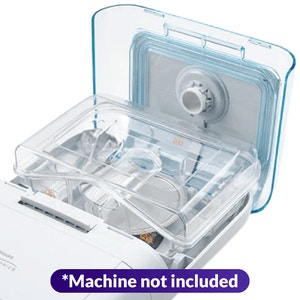
Philips Respironics DreamStation CPAP Machine Water ChamberSpecial Price $25.00 Regular Price $28.00
-
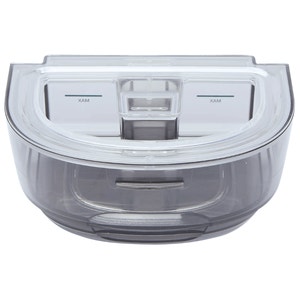
Philips Respironics DreamStation 2 CPAP Water Chamber Tank (without Lid)Special Price $15.00 Regular Price $28.00
CPAP Machine Humidification: CPAP Humidifiers and Water Chambers
The air coming through your CPAP (Continuous Positive Airway Pressure) machine requires humidification, because as it enters your upper airway, the increased airflow can cause your nasal airway to lose warmth and humidity.
CPAP humidifiers are designed to replace the moisture in your airways that is lost during sleep apnea treatment, helping to prevent sore throat, dry mouth, irritation in your nasal passages or nosebleeds, and damaging the soft tissues of your upper airway and lungs.
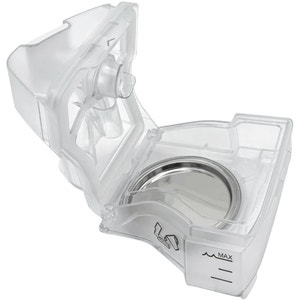
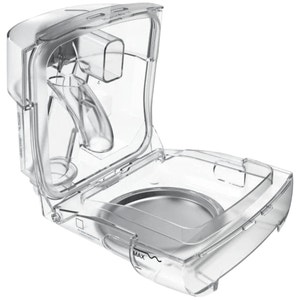
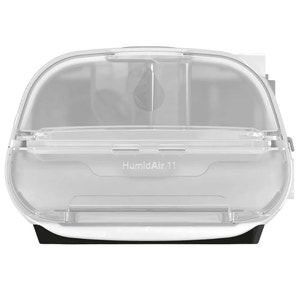
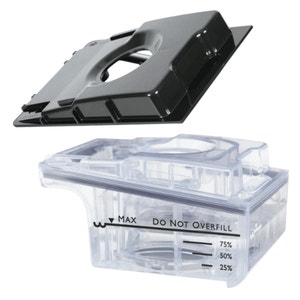
CPAP water chambers are designed to retain the water that the CPAP machine humidifier utilizes to create humidity. Some humidifier water chambers are designed to work in conjunction with heated humidifiers. Distilled water should always be used in your water chamber instead of tap water.
What Are the Different Types of CPAP Humidifiers and Water Chambers?
CPAP humidification systems vary across all types of different sleep apnea therapy machines, such as CPAPs, BiPAPs, and Auto-CPAP machines. Most use a form of heated water humidification, whereas many uniquely designed travel CPAP machines utilize waterless humidification. Here are some of the most common types of CPAP humidification systems and water chambers:
Types of CPAP Humidifiers:
-
What is an integrated humidifier? Integrated or built-in humidifiers are permanently attached or connected to the CPAP machine and cannot be removed, although the water chamber can be removed separately for cleaning and replacement. Typically designed to be compact and easy to set up, integrated humidifiers often have adjustable settings for various humidity levels, allowing you to customize your sleep apnea therapy based on your specific needs. These types of humidifiers are usually only compatible with the CPAP machine they're designed for.
-
What is a standalone humidifier? Standalone humidifiers are separate units that can be utilized with different, compatible CPAP machines, as they have their own power cord and short hose to connect to various CPAP devices. They often offer advanced features and a larger water capacity.
-
What is a heated humidifier? A heated CPAP humidifier works in conjunction with a heated water chamber that typically utilizes a hot plate to heat distilled water so that the dry air your machine pulls in is moisturized as it passes through your CPAP tubing to your mask during sleep apnea treatment. Heated humidifiers are most suitable for those who are experiencing dryness during sleep therapy and for those in cooler, less humid environments.
-
What is a Passover Humidifier? Passover humidification allows air to pass over room temperature distilled water that is inside your water chamber, causing the air to pick up moisture as it’s carried through your CPAP tube to your CPAP face mask and airway. Typically passover humidifiers provide lower pressure delivery and generally deliver cold air—but you can utilize a heated tube, which promotes heated humidification and can also help to prevent rainout and condensation buildup.
-
What is an adaptive humidifier? Adaptive CPAP humidifiers automatically adjust the humidity level in your CPAP system based on various environmental conditions, helping you maintain optimal sleep therapy comfort and performance.
Types of CPAP Water Chambers:
-
Standard Water Chambers: Basic CPAP water chambers are designed to hold distilled water for CPAP machine humidification systems for sleep apnea therapy and are typically made of plastic. Most standard CPAP water chambers are not dishwasher-safe, unless otherwise stated by the manufacturer.
-
Heated Water Chambers: Heated CPAP water chambers are designed for use with heated humidifiers and are often insulated to promote heat retention and maintain consistent, optimal humidity levels. Typically they feature a heated plate beneath the water chamber that heats the distilled water, adding moisture to the air going to your airways.
-
Dishwasher-Safe Water Chambers: Water chambers that are rated "dishwasher-safe" are designed using materials that can withstand intense heat and heavier detergents, making cleaning and maintenance much easier.
-
Autofill Water Chambers: Autofill humidifier chambers are designed to automatically replenish distilled water from a pole bag in order to maintain water levels by continuously refilling your water chamber. They typically incorporate a dual-float mechanism.
Shop our selection of CPAP humidifier water chambers and heated hoses and tubing.
-
How to Clean CPAP Humidifier Water Chambers
Regularly cleaning your CPAP water chamber is crucial to maintaining optimal performance and hygiene and prolonging the lifespan of your CPAP humidifier water chamber. Here are a few tips for daily and weekly cleaning:
Daily Cleaning
- Detatch your water chamber from your PAP device.
-
Empty any excess water leftover in your water chamber.
-
Wash your water chamber with warm drinking-quality water and a mild soap.
-
Rinse your water chamber thoroughly with warm, running water, making sure all excess soap and residue is removed.
-
Allow your water chamber to air dry in a well-ventilated area, out of direct sunlight, and away from excessive heat.
Weekly Cleaning
- Detatch your water chamber from your PAP device.
-
Empty any excess water leftover in your CPAP machine’s water chamber.
-
Wash your water chamber with warm water and a mild soap, allowing it to soak for about 15-30 minutes.
-
Fully submerge your water chamber in a solution of one part white vinegar to three parts water and allow it to soak for about 10-30 minutes. This step helps disinfect and remove any mineral buildup.
-
Thoroughly rinse your water chamber under running, warm water, making sure all excess vinegar, soap and residue is removed.
-
Allow your CPAP water chamber to air dry completely in a well-ventilated location, away from direct sunlight and excessive heat.
Make sure you refer to the manufacturer’s user manual that is included with your CPAP device before deciding which cleaning solution to use, or if it is recommended to use products such as vinegar or a dishwasher to clean your equipment.
Browse our selection of CPAP cleaning supplies.
How Often Should I Replace the Water Chamber On My CPAP Machine?
CPAP humidifier water chambers generally last an average of 6 months, and it is typically recommended to replace your water chamber at that time. However, every CPAP system can have varying lifespans for their water chambers, which can differ based on many factors, such as how well your water chamber is maintained, how often you use your CPAP machine and humidifier, and the quality of the product.
Check out our blog about 'The Ideal Replacement Schedule for Your CPAP Supplies (And Why it Matters for Your Sleep Therapy)'.
Side Effects
Consulting your healthcare provider for medical advice before deciding which CPAP humidification system to use, as not all equipment works the same for every CPAP user. Cleaning and maintaining your CPAP humidifier water chamber is not only essentially to ensuring optimal sleep apnea treatment effectiveness and comfort, but it also helps prevent many serious side effects, such as:
-
Bacterial and Mold Growth
-
Odor
-
Mineral Buildup
-
Decreased Humidification
-
Compromised Equipment Lifespan
-
Allergic Reactions
-
Respiratory and Sinus Inflammation, Irritation and Infections
-
Exacerbation of Sleep Apnea Symptoms
-